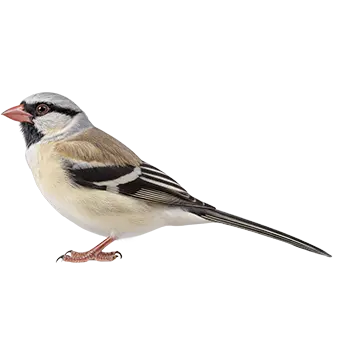

The Shaft-tail Finch has a natural captive lifespan of approximately six to eight years, though exceptional individuals maintained under optimal conditions have been reported to reach ten years or slightly beyond. This relatively modest lifespan, compared to the decades that many parrot species live, means that keepers who work with Shaft-tail Finches will inevitably face end-of-life situations more frequently than those who keep longer-lived species. Accepting the finite nature of these birds' lives is an important part of responsible aviculture, and preparing emotionally and practically for this eventuality allows the keeper to provide the best possible care during the bird's final chapter.
The lifespan of an individual Shaft-tail Finch is influenced by a complex interplay of genetics, lifelong nutrition, housing quality, disease exposure, breeding history, and the cumulative effect of stress. Birds from strong genetic lines, fed varied and nutrient-dense diets, housed in spacious enclosures with appropriate environmental conditions, and bred conservatively tend to reach the upper end of the expected lifespan range. Conversely, birds with poor genetic backgrounds, chronic nutritional deficiencies, cramped housing, or histories of excessive breeding may show signs of premature aging and reach the end of their lives well before the expected timeframe.
Not every end-of-life situation is preceded by a gradual decline. While many Shaft-tail Finches do follow a pattern of slow aging with progressive loss of condition over their final months, some birds die suddenly and without obvious warning from acute conditions such as heart failure, stroke, or rupture of an internal tumor. These sudden losses can be particularly distressing for keepers who felt their bird was in good health. Understanding that sudden death is a possibility, even in well-maintained birds, helps the keeper process the loss without excessive self-blame.
This guide is intended to help keepers recognize when a Shaft-tail Finch is approaching the end of its life, provide the most compassionate and effective comfort care during the terminal period, make informed decisions about when intervention is no longer in the bird's best interest, and cope with the grief that follows the loss of a cherished animal. Every bird deserves to live its final days in comfort and dignity, and every keeper deserves support and information to help them navigate this difficult time.