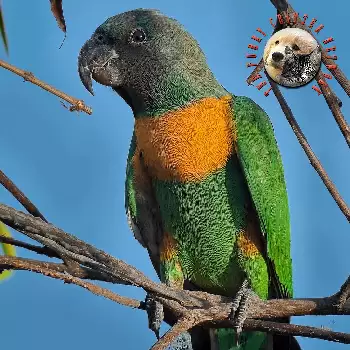

When Does Senior Begin?

Determining exactly when a Senegal Parrot transitions from its prime adult years into the senior stage is not as straightforward as it might be with dogs or cats. With a typical lifespan of 25 to 30 years in captivity, and some individuals living into their mid-thirties with excellent care, the senior phase generally begins around 20 years of age. However, the onset of age-related changes varies considerably between individuals depending on genetics, diet, environmental factors, and the quality of lifelong care.

The earliest signs of aging in a Senegal Parrot are often subtle and easily overlooked. A gradual decrease in overall activity level, slightly longer rest periods during the day, and reduced enthusiasm for play or flight are common early indicators. The bird may spend more time perching quietly and less time engaging in acrobatic play or exploratory behavior. These changes develop slowly over months and years, making consistent long-term observation essential for early recognition.

Physical indicators of aging may include a slight dulling of feather color, increased time between molts, drier or flakier skin, and gradual changes in beak texture or growth rate. Some senior Senegal Parrots develop cataracts or other vision changes that affect their confidence and navigation. Muscle mass may decrease, particularly along the keel bone, and the bird may feel slightly lighter despite maintaining similar food intake.

Understanding that your bird is entering its senior years allows you to proactively adjust its care routine, diet, environment, and veterinary schedule to support comfort and quality of life. The transition into seniorhood is not a crisis but rather a natural progression that calls for thoughtful adaptation. A well-cared-for senior Senegal Parrot can continue to be an engaging, affectionate, and vibrant companion for many years.

Mobility & Physical Changes

As Senegal Parrots age, their physical capabilities gradually decline in ways that require environmental accommodations. Arthritis and joint stiffness are common in senior birds, particularly in the feet, legs, and hips. A bird that once climbed effortlessly around its cage may begin to move more cautiously, favor one foot, or show reluctance to grip certain perch sizes. Shifting weight from foot to foot, sleeping with both feet on the perch rather than one tucked up, and difficulty stepping onto hands are all signs of discomfort.

Cage modifications can significantly improve a senior bird's comfort and safety. Lowering perches to reduce the risk of injury from falls, providing wider and flatter perch surfaces that are easier on arthritic feet, and adding platform perches where the bird can rest with its feet flat all contribute to a more comfortable environment. Heated perches designed for avian use can provide soothing warmth to stiff joints, though they should always have an unheated alternative available so the bird can choose its comfort level.

Flight ability may diminish in senior birds due to muscle loss, joint stiffness, or changes in feather quality. Birds that were strong flyers throughout their adult years may become less confident in the air or prefer to climb rather than fly. Ensuring that food, water, and favorite perching spots are easily accessible without requiring strenuous climbing or flight reduces frustration and the risk of falls.

Regular nail and beak maintenance becomes increasingly important in senior birds, as reduced activity levels mean less natural wear. Overgrown nails can catch on cage bars and toys, creating a risk of injury, while beak overgrowth can impair the bird's ability to eat comfortably. Gentle handling during grooming is essential, as senior birds may be more fragile and less tolerant of restraint than their younger selves.

Cognitive Changes

Cognitive decline in aging parrots is a recognized phenomenon, though it is less extensively studied than in mammals. Senior Senegal Parrots may show changes in their behavioral patterns that suggest reduced cognitive sharpness. These can include increased repetitive behaviors, decreased responsiveness to previously learned commands, confusion about familiar routines, and altered sleep-wake cycles. Some birds become less interactive and more withdrawn, while others may become more clingy and anxious when separated from their primary caregiver.

Maintaining cognitive engagement through continued enrichment and training is one of the most effective strategies for supporting mental health in senior parrots. Simple training exercises, puzzle toys appropriate to the bird's current ability level, and novel but non-threatening sensory experiences all help keep the brain active. Adjust expectations to match the bird's capabilities rather than insisting on performance levels established during younger years.

Changes in vocalization patterns are common in senior Senegal Parrots. A bird that was once talkative may become quieter, while a previously quiet bird might develop new vocalizations or repeat certain sounds more frequently. These changes are generally benign but should be noted during veterinary visits, as sudden or dramatic shifts in vocalization can sometimes indicate pain or neurological changes.

Routine and predictability become increasingly important for senior parrots experiencing cognitive changes. A consistent daily schedule of feeding times, out-of-cage time, social interaction, and sleep provides a reassuring structure that can reduce anxiety and confusion. Sudden changes to the environment, such as rearranging the cage or moving it to a new location, can be particularly disorienting for a senior bird and should be avoided unless necessary.

Nutrition for Aging

The dietary needs of a senior Senegal Parrot shift as metabolism slows and the body's ability to process and absorb nutrients changes. Caloric requirements generally decrease with reduced activity levels, and continuing to offer the same volume of food consumed during the prime adult years can contribute to unhealthy weight gain. Conversely, some senior birds experience weight loss due to decreased appetite, dental issues, or underlying health conditions, requiring careful nutritional management.

The foundation of the senior diet remains a high-quality pelleted food, but your avian veterinarian may recommend a senior-specific formulation or adjustments to the pellet-to-fresh food ratio based on your bird's individual health profile. Increased emphasis on foods rich in antioxidants, such as berries, dark leafy greens, and orange vegetables, may support cellular health and immune function. Calcium-rich foods become particularly important for maintaining bone density and preventing the fractures that senior birds are more susceptible to.

Food presentation may need to be adapted as the bird ages. Senior parrots with beak changes or reduced jaw strength may benefit from softer food preparations, such as lightly steamed vegetables, soaked pellets, or warm mashes. Smaller, more frequent meals may be more manageable than two large daily feedings. Monitoring food consumption closely ensures the bird is actually eating enough, as some senior birds will sit near their food dishes without consuming adequate quantities.

Hydration is a concern that often intensifies with age. Some senior birds decrease their water intake, which can exacerbate kidney function issues that are more common in older parrots. Offering water in multiple locations, including near favorite perching spots, and incorporating water-rich fresh foods such as cucumber, watermelon, and leafy greens can help maintain adequate hydration. Any significant changes in drinking habits should be reported to your avian veterinarian.

Increased Veterinary Care

Senior Senegal Parrots benefit from more frequent veterinary monitoring than their younger counterparts. Biannual wellness examinations, rather than the annual visits sufficient for healthy adults, allow earlier detection of age-related conditions. Comprehensive blood panels, including complete blood counts, chemistry profiles, and thyroid function tests, provide critical data about organ function and metabolic health. Comparing these results against the bird's established baselines reveals trends that might not be apparent from a single snapshot.

Common age-related health conditions in senior Senegal Parrots include atherosclerosis, liver disease, kidney dysfunction, cataracts, and various forms of neoplasia. Atherosclerosis, the buildup of fatty deposits in arterial walls, is particularly prevalent in older parrots and is closely linked to diet. Liver disease, including fatty liver syndrome, is another condition frequently seen in senior birds, especially those with a history of high-fat diets. Early detection of these conditions through regular screening significantly improves management options and outcomes.

Radiographic imaging and other diagnostic tools become more relevant as the bird ages. Your veterinarian may recommend periodic radiographs to assess heart size, liver condition, and bone density, particularly if physical examination findings or blood work suggest developing issues. Advanced diagnostics such as ultrasound or endoscopy may be appropriate in specific situations to evaluate organ health more thoroughly.

Pain management is an important aspect of senior avian care that has received increasing attention in veterinary medicine. Birds are adept at masking pain, a survival instinct that can make it difficult to recognize discomfort. Subtle signs such as decreased activity, changes in posture, reduced appetite, or altered droppings may be the only indicators. Your avian veterinarian can assess for pain and recommend appropriate management strategies, which may include anti-inflammatory medications, environmental modifications, or supportive therapies.

Quality of Life Assessment

Evaluating the quality of life of a senior Senegal Parrot is an ongoing process that requires honest observation and, at times, difficult conversations with your avian veterinarian. Quality of life is multifaceted, encompassing physical comfort, emotional well-being, social engagement, and the ability to perform natural behaviors. A bird that is eating well, interacting with its family, preening normally, and showing interest in its environment is generally enjoying a good quality of life, even if it has slowed down considerably from its younger years.

Developing a structured quality of life assessment that you review regularly can help bring objectivity to an inherently emotional evaluation. Consider factors such as appetite and food enjoyment, mobility and comfort, social interaction and responsiveness, grooming behavior, vocalization patterns, sleep quality, and the frequency and severity of any pain or discomfort. Tracking these factors over weeks and months provides a clearer picture of the bird's overall trajectory than any single observation.

Adaptations to the bird's environment and routine can sustain quality of life well into advanced age. Ensuring easy access to food and water, providing comfortable resting spots with appropriate warmth, maintaining social interaction at a pace the bird enjoys, and continuing gentle enrichment activities all contribute to a positive daily experience. The focus shifts from peak performance to comfortable engagement, meeting the bird where it is rather than where it once was.

Open communication with your avian veterinarian about your observations, concerns, and goals for your bird's care is essential throughout the senior years. Your veterinarian can help you distinguish between normal aging and treatable conditions, recommend interventions that improve comfort, and guide you through decisions about the intensity of medical treatment as the bird ages. Together, you and your veterinarian form a care team dedicated to ensuring your Senegal Parrot's remaining years are lived with dignity and contentment.

Always consult a qualified professional before making any health-related decisions. This content is provided for informational reference only and should not replace professional guidance specific to your animal.