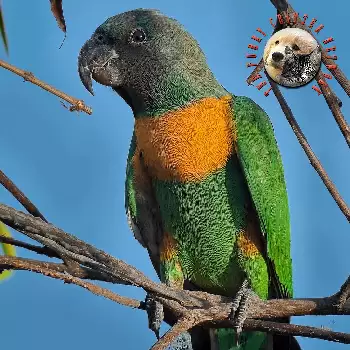

A Senegal Parrot reaches full maturity between two and three years of age, entering its prime adult years. This stage is characterized by stable weight, fully developed plumage with the distinctive green, yellow, and grey coloring, and mature eye color that transitions from dark grey to a bright yellow or orange. Maintaining peak health during these years establishes the foundation for a long and vibrant life that can extend well beyond two decades.
Annual wellness examinations with an avian veterinarian are the cornerstone of preventive health care. These visits should include a thorough physical examination, baseline blood work including a complete blood count and chemistry panel, and screening for common avian diseases. Establishing annual baselines allows your veterinarian to detect subtle changes over time that might otherwise go unnoticed until a condition has advanced significantly.
Daily observation remains one of the most powerful health monitoring tools available to a parrot owner. Familiarize yourself with your bird's normal posture, activity level, appetite, vocalizations, and droppings so that deviations from the baseline are immediately apparent. Subtle changes such as a slight decrease in vocalization, a shift in perch preference, or minor changes in droppings consistency can be early indicators of health issues that benefit from prompt veterinary attention.
Maintaining a healthy weight is critical throughout the adult years. Obesity is a common and serious problem in captive parrots, particularly those fed seed-heavy diets or excessive treats. Regular weigh-ins on a gram scale help track weight trends, and any unexplained gain or loss of more than ten percent of body weight warrants a veterinary consultation. A lean, active Senegal Parrot is far less likely to develop the fatty liver disease, atherosclerosis, and other conditions associated with excess weight.