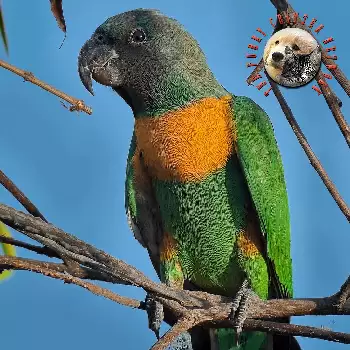

Senegal Parrot chicks hatch after an incubation period of approximately 25 to 28 days. The newly emerged chick is altricial, meaning it is born with closed eyes, minimal down, and complete dependence on its parents or a human caretaker. During the first hours after hatching, the chick absorbs the remaining yolk sac, which provides essential nutrients and energy. It is critical not to disturb the chick excessively during this period, as stress can compromise its fragile system.
If the chick is being parent-raised, the hen will begin feeding within the first several hours. The crop should show a small amount of food by the end of the first day. For hand-rearing situations, the first feeding typically occurs once the yolk sac has been fully absorbed, usually between 8 and 12 hours after hatching. The initial formula feeding should be very thin and offered in tiny amounts to avoid aspiration.
Temperature regulation is paramount during this stage. Hatchlings cannot thermoregulate on their own and rely entirely on the brooding parent or an artificial heat source. The brooder should be maintained at approximately 95 to 97 degrees Fahrenheit with adequate humidity to prevent dehydration. Monitoring the chick for signs of chilling, such as cold feet or lethargy, should be a constant priority.
Keep the nesting environment clean but avoid unnecessary handling. Weighing the chick once during the first 24 hours establishes a baseline, but frequent disturbances can cause undue stress. Document the hatch time, initial weight, and any observations about the chick's vigor and responsiveness for your records.