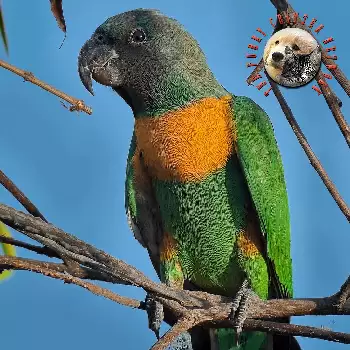

The juvenile stage of a Senegal Parrot begins around eight to ten weeks of age when the bird is fully feathered and capable of initial flight attempts. During this period, the bird undergoes significant physical changes as it transitions from a dependent chick to an increasingly independent young parrot. Feather coloration continues to develop, though juvenile Senegal Parrots typically display darker irises and slightly duller plumage compared to fully mature adults.
Weight stabilization is a key marker of the juvenile phase. After the rapid growth of the neonatal period, a healthy juvenile Senegal Parrot will reach its adult weight of approximately four to six ounces and maintain that range with minor fluctuations. Regular weigh-ins, ideally at the same time each day, help track this stabilization and alert you to any unexpected losses that could indicate health concerns.
Flight feather development is particularly important during this stage. The juvenile undergoes its first molt, replacing baby feathers with a more robust adult plumage. This process can take several months and may cause temporary discomfort or increased preening activity. Providing opportunities for bathing or light misting helps soothe developing feather follicles and supports healthy feather growth.
Beak and nail growth accelerate during the juvenile period, and the bird begins to use its beak more purposefully for climbing, exploring, and manipulating objects. Providing appropriate chewing materials such as untreated wood, vine balls, and foraging toys supports healthy beak maintenance and satisfies the natural urge to chew. Monitoring beak alignment and condition during this period helps catch any developmental irregularities early.