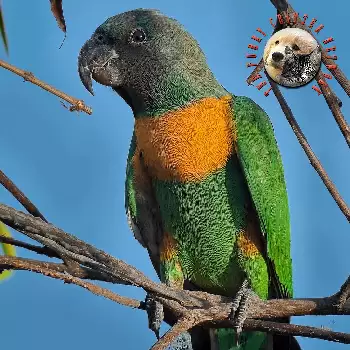

Recognizing when a Senegal Parrot is approaching the end of its life requires careful observation and a willingness to see what is happening rather than what we hope to see. Terminal decline in parrots can be gradual, unfolding over weeks or months, or it can occur with startling speed when a critical organ system fails. In either case, certain patterns of change signal that the bird's body is no longer able to sustain normal function and that the focus of care should shift from cure to comfort.
Persistent and progressive weight loss despite adequate food availability is one of the most telling indicators of terminal decline. A bird that is steadily losing weight despite eating, or one that has largely stopped eating, is signaling that its body can no longer process nutrition effectively. Muscle wasting along the keel bone becomes pronounced, and the bird may feel fragile and light when handled. This decline is often accompanied by changes in droppings, including decreased volume, altered color, or the presence of undigested food.
Behavioral withdrawal is another significant sign. A Senegal Parrot that was once interactive, vocal, and engaged may become progressively quiet, spending long periods sitting fluffed on the cage floor or on a low perch with eyes partially closed. The bird may lose interest in toys, treats, social interaction, and activities that previously brought obvious pleasure. Reduced preening, unkempt feathers, and a general lack of alertness reflect a bird that is conserving its dwindling energy.
Respiratory changes, including labored breathing, tail bobbing, open-mouth breathing, and audible wheezing or clicking, indicate serious compromise. Changes in balance and coordination, such as falling from perches, inability to grip, or an unsteady gait, suggest neurological or systemic decline. Any combination of these signs warrants an urgent conversation with your avian veterinarian about the bird's prognosis and the appropriate course of action.