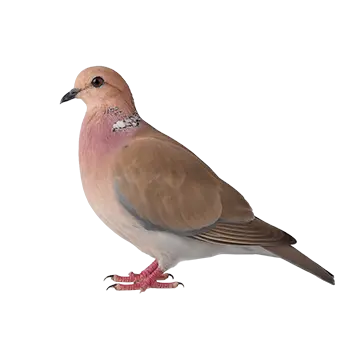

Recognizing Terminal Decline

There comes a point in a Senegal Dove's life when the gradual changes of aging accelerate into a trajectory that medical intervention can no longer reverse. Recognizing this transition is one of the most difficult responsibilities a bird keeper faces, because birds are masters of concealing weakness and because the emotional bond formed over years of companionship naturally resists the acknowledgment that the end is approaching. Understanding the clinical and behavioral markers of terminal decline allows you to shift your focus from cure to comfort at the appropriate time.

Severe and sustained weight loss is often the most objective indicator that a Senegal Dove has entered a terminal phase. A bird that has dropped below 70 percent of its healthy adult weight and continues to lose mass despite supportive feeding is unlikely to recover, regardless of the underlying cause. Muscle wasting becomes visibly apparent, with the keel bone protruding sharply and the pectoral muscles reduced to thin bands. The bird may still eat, but its intake will be insufficient to reverse the catabolic process that is consuming its body reserves.

Behavioral withdrawal is equally telling. A dove in terminal decline will progressively disengage from activities that previously gave it pleasure or purpose. It stops cooing, stops responding to your voice with its characteristic head tilt, and stops preening. It may sit motionless on the cage floor rather than perching, and when it does perch, it may grip weakly and lean against the cage wall for support. Sleep occupies an increasing proportion of the day, and the bird may keep its eyes closed even when awake, a posture that communicates both discomfort and exhaustion.

Respiratory deterioration is a common feature of terminal decline in aging doves. Breathing may become labored, with visible tail bobbing, open-mouth breathing, or audible respiratory sounds. These symptoms can reflect advanced infection, organ failure, fluid accumulation in the air sacs or body cavity, or the cumulative burden of multiple age-related conditions compounding simultaneously. At this stage, aggressive diagnostic workup and treatment may cause more suffering than benefit, and a candid conversation with your avian veterinarian about the appropriateness of continued intervention is warranted.

Hospice and Comfort Care

Once the decision is made to prioritize comfort over aggressive treatment, the focus of care shifts entirely to minimizing the bird's distress and maximizing its remaining quality of life. Avian hospice care is a relatively new concept in veterinary medicine, but its principles are straightforward: control pain, maintain warmth and hydration, provide easy access to food, and preserve the social connection that has sustained the bird throughout its life.

Pain management is the cornerstone of hospice care. Consult your avian veterinarian about appropriate analgesic options for your Senegal Dove. Nonsteroidal anti-inflammatory drugs such as meloxicam are commonly used in avian patients to manage pain and inflammation associated with arthritis, organ disease, and soft tissue conditions. The veterinarian will prescribe a dosage appropriate for the bird's current weight and condition. Administer the medication consistently and observe the bird's response; a bird that becomes more active, resumes eating, or returns to comfortable resting postures after starting pain medication was clearly experiencing uncontrolled pain beforehand.

Environmental comfort becomes critically important during hospice care. Move the bird to a smaller, padded enclosure positioned at a comfortable height in a quiet area of the home. Line the floor with soft, clean towels rather than paper, and provide a low, padded perch or a rolled towel nest that supports the bird in a natural resting position without requiring grip strength. Maintain the ambient temperature at the warm end of the bird's comfort range, approximately 78 to 82 degrees Fahrenheit, using a thermostatically controlled ceramic heat emitter. A bird in terminal decline often cannot thermoregulate effectively and will benefit from supplemental warmth.

Hydration and nutrition should be offered frequently in easily accessible forms. If the bird is still eating, provide its preferred foods in small, fresh portions placed directly in front of it at floor level. Softened seeds, warm mashed vegetables, and small amounts of hand-feeding formula delivered by syringe can sustain caloric intake for a bird that lacks the energy to crack and hull dry seeds. Offer water from a shallow dish or by gently touching a wet fingertip to the bird's beak to stimulate drinking. If the bird refuses all food and water, forced feeding generally causes more distress than benefit at this stage and should be reconsidered in consultation with your veterinarian.

Your presence is one of the most meaningful comforts you can provide. Sit near the bird, speak to it softly, and if it tolerates handling, hold it gently against your chest where it can feel your warmth and heartbeat. Many dying birds seek proximity to their bonded person, and honoring this instinct provides both the bird and you with a measure of peace during a profoundly difficult time.

The Euthanasia Decision

Euthanasia is the final act of care that a responsible bird keeper can offer a companion animal that is suffering without realistic prospect of recovery. It is never an easy decision, and it is not one that should be made in isolation or in the immediate aftermath of an emotional crisis. The best decisions are made collaboratively between the caregiver and a trusted avian veterinarian, grounded in an honest assessment of the bird's current quality of life and likely trajectory.

Several quality-of-life frameworks can help structure this assessment. Consider whether the bird is experiencing more bad days than good days, and be specific about what constitutes each. A good day for a terminally ill Senegal Dove might include periods of alert awareness, voluntary eating, comfortable resting, and some engagement with its surroundings or its person. A bad day is characterized by persistent pain or distress despite medication, refusal of food and water, respiratory struggle, inability to maintain a normal resting posture, and complete social withdrawal. When bad days consistently outnumber good days, the balance has shifted in a direction that warrants serious consideration of euthanasia.

Discuss the procedure with your avian veterinarian before you need it. Understanding what will happen removes some of the fear and uncertainty from the decision when the time arrives. Avian euthanasia typically involves the administration of an injectable anesthetic overdose, often preceded by sedation to minimize any stress from handling and injection. The process is rapid and painless for the bird. Some veterinarians will perform the procedure at the clinic, while others offer house calls that allow the bird to pass in the familiar comfort of its home. Ask about both options and choose the one that feels right for you and your bird.

Many keepers struggle with the fear of acting too soon, of ending a life that still held some possibility of improvement. This is a natural and compassionate concern. However, experienced avian veterinarians consistently observe that caregivers are far more likely to wait too long than to act too soon. The desire to avoid the finality of the decision can lead to prolonged suffering that neither bird nor keeper would have chosen in advance. Trusting your veterinarian's clinical assessment and your own daily observations of the bird gives you the best foundation for making this decision at the right time.

If you have other birds in the household, particularly a bonded mate, consider whether allowing the surviving bird to see the deceased companion briefly after death serves a purpose. Anecdotal evidence from experienced aviculturists suggests that some pair-bonded birds adjust to their partner's absence more quickly when they are given the opportunity to observe that the other bird is no longer responsive, though scientific evidence on this practice is limited. Whether to allow this is a personal decision that should be guided by the surviving bird's temperament and your own comfort level.

Aftercare and Remains

After your Senegal Dove has passed, whether through natural death or euthanasia, you will need to make decisions about the handling of its remains. There is no single correct choice; the right option is the one that aligns with your values, your emotional needs, and the practical circumstances of your situation. Having thought about these options in advance, even briefly, spares you from making decisions during the acute phase of grief when clear thinking is most difficult.

Private cremation is the most commonly chosen option for companion bird owners who wish to retain their bird's ashes. A private cremation ensures that your bird is cremated individually and the ashes returned to you, typically in a small urn or container. Many veterinary clinics work with pet cremation services and can arrange this on your behalf. The returned ashes can be kept in a decorative urn, scattered in a meaningful location, or incorporated into memorial keepsakes such as glass orbs or jewelry designed for this purpose.

Communal cremation, in which multiple animals are cremated together and the ashes are not returned, is a less expensive alternative for owners who do not feel the need to retain remains. Some cremation services offer communal scattering in a designated memorial garden. Home burial is another option where local regulations permit it. If you choose home burial, place the bird in a small box or wrap it in natural fabric and bury it at a depth of at least 18 inches to prevent disturbance by other animals. Select a location that is unlikely to be excavated in the future.

Some owners choose to have their bird preserved through taxidermy or freeze-drying, though these options are less common for small birds and require a practitioner experienced with avian specimens. Others prefer to keep a physical memento such as a wing or tail feather collected after death, stored in a small frame or keepsake box. These choices are deeply personal and should be made without judgment from others.

If your bird died unexpectedly or from an undiagnosed condition and you wish to know the cause, a necropsy, the avian equivalent of an autopsy, can be performed by your veterinarian or submitted to a veterinary pathology laboratory. Necropsy results can provide closure for the owner and, in multi-bird households, critical information about whether an infectious or environmental cause was responsible that could place surviving birds at risk.

Grief and the Human-Bird Bond

The grief that follows the loss of a companion Senegal Dove is real, valid, and often more intense than non-bird-owners expect. A dove that has shared your home for a decade or more has been a quiet, constant presence woven into the fabric of your daily life. Its morning coos greeted you at sunrise; its gentle weight on your hand was a familiar comfort; its routine was intertwined with yours in a hundred small ways that become painfully apparent only in its absence. Acknowledging the depth of this bond is the first step in processing the grief that accompanies its loss.

Grief following pet loss is a well-recognized phenomenon in veterinary and psychological literature, yet it remains widely undervalidated by the broader culture. Friends, family, or colleagues who have never formed a close bond with a bird may minimize your feelings with well-intentioned but unhelpful comments. Seeking support from people who understand the human-animal bond, including online communities of bird keepers, pet loss support groups, and counselors who specialize in grief, can provide the validation and space that the grieving process requires.

Allow yourself to grieve without imposing a timeline or measuring your response against an arbitrary standard of normalcy. Some people experience acute grief that diminishes gradually over weeks. Others find that grief surfaces unpredictably months after the loss, triggered by a sound, a time of day, or a glimpse of the empty cage. Both patterns are normal. If grief feels overwhelming or interferes with your ability to function over an extended period, professional support from a therapist experienced in bereavement can be profoundly helpful.

Practical rituals can support the grieving process. Some keepers find comfort in creating a small memorial, perhaps a photograph displayed near where the cage once stood, a planted garden marker, or a written letter to the bird expressing thoughts and feelings that could not be spoken while it was alive. Others find closure in donating to an avian rescue or conservation organization in the bird's name, channeling their love for one bird into tangible support for others.

The question of whether and when to welcome another bird into your life has no universal answer. Some people find that an empty cage is an unbearable reminder and seek a new companion quickly. Others need months or years before they are ready to open their hearts to another bird. Neither response is more correct or more loving than the other. When you do feel ready, remember that a new bird is not a replacement for the one you lost but a new individual with its own personality, quirks, and capacity for companionship.

Impact on Surviving Companion Birds

If your Senegal Dove shared its living space with a bonded mate or flock companion, the surviving bird may exhibit its own form of grief response following the loss. Pair-bonded columbids form deep, enduring attachments, and the disappearance of a mate is a significant social disruption that can affect the surviving bird's behavior, appetite, and overall health. Understanding and supporting the surviving bird through this period is an important component of responsible care.

Behavioral changes in a bereaved dove can include increased vocalization, particularly the repetitive calling that characterizes a bird searching for an absent companion. The surviving bird may pace the area where the deceased bird's cage or perch was located, visit the nest site repeatedly, or become restless and agitated during times of day when the pair typically interacted most closely. Conversely, some bereaved birds withdraw, becoming unusually quiet, lethargic, and disinterested in food. Both patterns are recognized grief-like responses in social avian species.

Monitor the surviving bird's food intake and weight carefully during the weeks following the loss. A bird that stops eating or reduces its intake significantly is at risk of rapid weight loss and the cascade of health problems that follow in a small-bodied species. Offer favored foods, fresh greens, and millet sprays to stimulate appetite. If the bird refuses food for more than 24 hours or loses more than 10 percent of its body weight, consult your avian veterinarian about supportive interventions.

Increase your direct social interaction with the surviving bird during this adjustment period. Your presence and attention cannot fully replace a bonded avian companion, but they can provide comfort and reduce the isolation that the bird is experiencing. Spend extra time near the cage, talk to the bird more frequently, and offer supervised out-of-cage sessions if the bird is willing. Some bereaved doves will seek physical proximity to their human caregiver more actively than they did when their avian companion was present, perching on hands or shoulders and following their person around the room.

The decision about whether to provide a new avian companion should be made thoughtfully and not in the immediate aftermath of the loss. A new bird introduced too quickly may be rejected by a grieving dove that is not ready for a new social relationship, leading to aggression or persistent avoidance that is stressful for both birds. Allow the surviving bird several weeks to adjust before considering introductions. When you do introduce a potential new companion, follow the same gradual introduction protocol recommended for any new pairing, with adjacent housing, visual contact, and supervised shared-space sessions before cohabitation.

Legacy and Reflection

The passing of a Senegal Dove marks the end of a quiet, gentle life that enriched your own in ways that may only become fully clear in retrospect. Doves do not perform tricks, learn vocabularies, or demand attention with the exuberance of parrots. Their companionship is subtle, woven into the background of daily life through soft cooing at dawn, the warm weight of a small body settled contentedly on your hand, and the trusting dark eyes that watched you from across the room. The loss of this presence leaves a particular kind of absence, one that is felt most keenly in the quiet moments.

Reflecting on the life you shared with your Senegal Dove can be a healing practice that transforms grief into gratitude over time. Consider the moments that defined your relationship. The first time the bird stepped onto your hand without hesitation. The morning routine you built together, where the sound of your footsteps triggered a cascade of welcoming coos. The times the bird's calm presence provided comfort on your own difficult days. These memories are the legacy your dove leaves behind, and they are as real and valuable as any tangible keepsake.

Many keepers find that the experience of caring for a bird through its entire life cycle, from the fragility of infancy through the vitality of adulthood and the gentle decline of old age, deepens their understanding of their own relationship with mortality and caregiving. The discipline of daily observation, the attentiveness to subtle changes, and the willingness to make difficult decisions for the welfare of a creature that depends entirely on you are skills that transfer to every caring relationship in your life.

If your experience with the Senegal Dove has ignited or deepened a passion for aviculture, consider how you might channel that knowledge for the benefit of others. Mentoring a first-time bird owner, volunteering with an avian rescue organization, contributing to citizen science projects that study wild dove populations, or simply sharing accurate husbandry information in the bird-keeping community are all ways to ensure that the expertise you developed through years of hands-on care continues to serve these remarkable birds.

The Senegal Dove you cared for lived a life made measurably better by your attention, your knowledge, and your love. In a world where countless animals receive indifferent or inadequate care, the commitment you demonstrated throughout every stage of your bird's life is something to carry forward with quiet pride. The cage may be empty, but the space it occupied in your life and your heart remains full of meaning.

Always consult a qualified professional before making any health-related decisions. This content is provided for informational reference only and should not replace professional guidance specific to your animal.