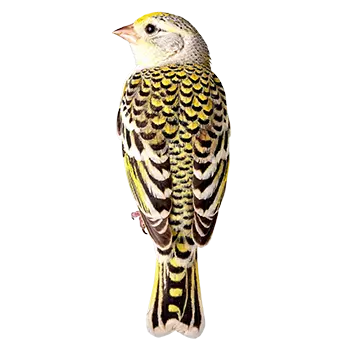

Daily Care & Routine

An adult Lizard Canary thrives on consistency. Establishing a stable daily routine that addresses the bird's fundamental needs for nutrition, hygiene, mental stimulation, and rest creates the framework within which this heritage breed can express its best qualities, from the richness of its spangled plumage to the clarity and vigor of the male's song. The adult phase typically spans from approximately one year of age through roughly seven or eight years, encompassing the bird's most active and productive period.

Each day should begin with a visual health check performed before any cage maintenance disrupts the bird's natural morning behavior. Observe the bird's posture, alertness, feather condition, and activity level. A healthy adult Lizard Canary greets the morning with bright eyes, sleek plumage held close to the body, and an eagerness to eat and, in the case of males, sing. Any deviation from this baseline, such as fluffed feathers, lethargy, discharge from the eyes or nares, or reluctance to leave the perch, warrants closer investigation.

Cage maintenance follows the morning assessment. Remove and replace the cage floor covering, whether paper or grit-covered tray liners, and wash all food and water containers with hot water before refilling. Stale food and contaminated water are leading sources of bacterial infection in captive canaries, and the small body mass of a Lizard Canary means it has little physiological reserve to combat a gastrointestinal pathogen once established. Seed husks that accumulate on top of the food dish should be blown away daily, as they can create the illusion of a full dish while the actual seed below is depleted.

The daily routine should also include a period of environmental interaction. If the cage is positioned in a living area, normal household activity provides ambient stimulation. If the bird is kept in a dedicated bird room, spend time in the room reading, working, or simply being present so the bird remains habituated to human presence. For males, the presence of a human audience or the sound of conversation and music often stimulates singing. End the day by covering the cage or dimming the lights to provide 10 to 12 hours of uninterrupted darkness for sleep, which supports hormonal regulation and immune function.

Adult Nutrition & Diet Management

The dietary requirements of an adult Lizard Canary in maintenance mode differ from the elevated nutritional demands of the juvenile growth phase and the breeding season. The goal during the adult prime years is to provide a balanced, varied diet that maintains optimal body condition without promoting obesity, which is a genuine risk in captive canaries that have unlimited access to calorie-dense seed and limited opportunity for sustained flight.

A high-quality canary seed mix forms the dietary foundation. The mix should contain canary grass seed as the primary component, supplemented with smaller proportions of rape seed, niger seed, linseed, hemp seed, and oat groats. Avoid mixes that are heavy in sunflower or safflower seed, as these oil-rich seeds are excessively caloric for a small passerine and contribute to fatty liver disease over time. An adult Lizard Canary consumes roughly one to two teaspoons of seed per day, though individual intake varies with activity level, ambient temperature, and reproductive status.

Fresh foods should comprise a meaningful portion of the daily diet, not merely a garnish. Offer dark leafy greens such as dandelion, kale, romaine, or endive daily, rotating the selections to provide a broad spectrum of vitamins and minerals. Broccoli, grated carrot, zucchini, and sweet bell pepper are well-accepted vegetables. Fruits such as apple, pear, and berries can be offered in small quantities several times per week, though their sugar content means they should be treated as a supplement rather than a staple. Avoid avocado, onion, garlic, and chocolate, all of which are toxic to birds.

Calcium and mineral supplementation remains important throughout adulthood. A cuttlebone should be permanently available and replaced when it becomes heavily worn or soiled. Mineral grit, offered in a small dish, provides trace elements and aids in the mechanical digestion of seed in the gizzard. Some keepers question whether canaries truly require grit since they hull their seeds before swallowing, but the trace mineral content alone justifies its inclusion in the adult diet.

Monitor the bird's body condition regularly by gently palpating the keel bone, the prominent ridge running along the center of the breast. In a bird at healthy weight, the keel should be palpable but flanked by firm pectoral muscle on either side, creating a gently rounded profile. A sharp, protruding keel indicates underweight, while a keel that is difficult to locate beneath layers of fat signals obesity. Adjust the diet accordingly, reducing high-fat seeds and increasing greens for an overweight bird, or adding protein-rich supplements for one that is too lean.

The Annual Molt

The annual molt is the most physiologically demanding event in an adult Lizard Canary's yearly cycle, and for this breed in particular it carries aesthetic consequences that extend well beyond simple feather replacement. Each successive molt in a Lizard Canary progressively alters the spangled plumage pattern, with the dark melanin centers of individual feathers tending to spread outward over multiple molt cycles. This means that the crisp, clearly defined spangles of a young adult gradually become broader and less distinct as the bird ages, a phenomenon that exhibitors describe as the bird becoming increasingly broken-capped or over-marked.

The molt typically begins in late summer, triggered by the natural decrease in daylight hours following the summer solstice. Birds kept under artificial lighting regimes may molt on an altered schedule depending on the photoperiod to which they are exposed. The process generally takes six to eight weeks from the first shed feather to the completion of the new plumage, though individual variation is normal. During the molt, the bird's energy is directed toward feather production, and males typically cease singing or reduce their vocal output significantly.

Nutritional support during the molt mirrors the recommendations for the juvenile first molt but is calibrated for the adult bird's metabolism. Increase protein intake by offering egg food daily and providing access to sprouted seeds, which deliver concentrated nutrition in an easily digestible form. Ensure adequate sulfur-bearing amino acid intake, as methionine and cystine are rate-limiting factors in keratin synthesis. A bath offered daily during the molt helps soften the sheaths of emerging pin feathers, making preening more efficient and reducing discomfort.

Environmental stability is essential during the molt. Avoid moving the bird to a new cage, introducing it to unfamiliar companions, or making sudden changes to the lighting schedule while feather replacement is underway. Stress-induced fret marks, visible as translucent lines across the vanes of flight or tail feathers, are permanent until the next molt and indicate that the bird experienced an acute stressor during feather growth. For exhibition birds, fret marks are considered a fault and can significantly impact show placement.

After the molt is complete, assess the new plumage carefully. Compare the spangled pattern to the previous year's feathering, noting any progression of melanin spread, changes in cap definition, or alterations in ground color intensity. This evaluation informs decisions about whether the bird remains competitive for exhibition, whether it should transition to a breeding role, or whether it is best suited as a companion pet. Each successive adult molt provides information about the bird's genetic expression and aging trajectory, making it a valuable diagnostic window into the individual's overall condition.

Behavioral Enrichment & Mental Health

Adult Lizard Canaries are active, alert birds that require mental stimulation beyond the basics of food and shelter. While canaries are not as cognitively demanding as parrots, they are far from passive cage ornaments, and a bored or under-stimulated canary may develop behavioral problems ranging from excessive feather picking to repetitive pacing and route tracing along the cage bars. Providing appropriate enrichment supports both the bird's psychological welfare and the physical vitality that keeps its plumage and song in peak condition.

Flight is the single most important form of physical and mental enrichment for a canary. Housing the adult Lizard Canary in the longest cage or flight enclosure that space permits allows for the sustained horizontal flight that exercises the pectoral muscles, strengthens the cardiovascular system, and provides the sensory stimulation of navigating a three-dimensional environment. A flight cage measuring at least 30 inches in length is a minimum recommendation, with longer enclosures preferred whenever possible. Birds housed in small cages with insufficient room for flight are at increased risk of obesity, muscle atrophy, and stress-related behavioral problems.

Foraging enrichment adds variety to the bird's daily routine and encourages natural food-seeking behavior. Rather than presenting all food in a single open dish, distribute portions across multiple feeding stations and intersperse them with small foraging challenges. Tucking a piece of leafy green between the cage bars, hanging a millet spray in a position that requires the bird to maneuver to reach it, or placing a small amount of seed inside a loosely folded piece of paper all create opportunities for the bird to engage in purposeful activity rather than simply eating from a static source.

Auditory enrichment is particularly relevant for male Lizard Canaries. Males that hear other canaries singing, whether live companions in adjacent cages or recorded canary song played at moderate volume, are stimulated to refine and perform their own songs more vigorously. Household music, conversation, and the ambient sounds of daily life also provide auditory variety that keeps the bird engaged with its environment. Avoid subjecting the bird to excessively loud sounds, sudden sharp noises, or the sounds of predator species, which can cause chronic stress.

Social enrichment completes the picture. While adult male canaries are best housed individually during the breeding season to prevent territorial aggression, they benefit from visual contact with other canaries throughout the year. Positioning cages where birds can see one another without physical access provides social stimulation without the risk of injury. Females and non-breeding males can often be housed in compatible groups in a flight cage, provided space and food access are sufficient to prevent resource guarding.

Plumage Maintenance & Show Conditioning

The Lizard Canary's defining characteristic is its spangled plumage, and maintaining this plumage in optimal condition is both a daily commitment and an art form. Whether the bird is kept as a pet or exhibited competitively, the brilliance, definition, and structural integrity of its feathers reflect the overall quality of care it receives. Adult plumage maintenance involves a combination of proper nutrition, appropriate environmental conditions, bathing opportunities, and careful handling.

Bathing is the cornerstone of feather care. A shallow dish of room-temperature water offered at least three to four times per week allows the bird to immerse, splash, and work water through its plumage, which loosens accumulated dust, dander, and preening oil residue. Most Lizard Canaries are enthusiastic bathers, and regular bathing promotes vigorous preening behavior that distributes the uropygial gland oil evenly across the feathers, maintaining their water resistance and structural integrity. Some breeders add a small amount of avian bath salts or aloe-based solution to the bathing water for added conditioning, though plain water is perfectly adequate for routine use.

Humidity plays an underappreciated role in feather condition. In dry indoor environments, particularly during winter months when heating systems reduce ambient humidity, feathers can become brittle, lose their luster, and develop split or frayed vanes. Maintaining room humidity between 40 and 55 percent supports feather suppleness. A room humidifier, strategically placed indoor plants, or simply keeping a damp towel near the cage can help in dry conditions. Conversely, excessively humid environments promote feather-damaging mold and fungal growth, so balance is key.

For exhibition Lizard Canaries, show conditioning is a multifaceted discipline that extends well beyond basic husbandry. In the weeks leading up to a show, breeders intensify bathing frequency, ensure the diet is optimally balanced, and increase handling sessions to confirm the bird is calm and well-mannered in the show cage. The spangled plumage is evaluated under specific criteria, including the regularity of the rowel pattern across the back and flanks, the clarity and symmetry of the head cap, the richness of the ground color (gold or silver), and the overall neatness of feather condition. A bird with brilliant spangles marred by broken tail feathers or soiled vent plumage will not place well regardless of its underlying genetic quality.

Handling for show preparation should be gentle and purposeful. Canaries are not handled in the same way as parrots, and excessive or rough handling can damage delicate feathers and stress the bird. When the bird must be caught for transfer to the show cage, use the cupped-hand technique, approaching calmly and enclosing the bird gently but firmly without squeezing. Minimize the duration of each handling event, and return the bird to its home cage promptly if it shows signs of excessive stress such as open-mouth breathing or panicked fluttering.

Routine Health Management

Maintaining the health of an adult Lizard Canary during its prime years centers on prevention, early detection, and a strong relationship with a qualified avian veterinarian. Canaries are stoic birds that instinctively mask signs of illness, a survival strategy inherited from their wild ancestors for whom visible weakness attracted predators. This means that by the time a canary shows obvious symptoms, the underlying condition may be well advanced, making the daily observational skills of the keeper critically important.

An annual veterinary wellness examination is recommended for all adult canaries, even those that appear healthy. The examination typically includes a physical assessment of body condition, feather quality, beak and nail length, and joint mobility, along with a fecal analysis to screen for internal parasites and abnormal bacterial or yeast populations. Depending on the bird's history and the veterinarian's findings, blood work may be recommended to evaluate organ function, particularly liver and kidney values, which can be affected by dietary imbalances that are common in seed-fed birds.

Between veterinary visits, the keeper's daily visual assessment is the primary health monitoring tool. Establish a mental baseline for the bird's normal behavior, posture, vocalization patterns, appetite, and droppings. Changes in any of these parameters can signal emerging health issues. A male that suddenly stops singing outside of the molt period, a bird that sits fluffed with its head tucked during daytime hours, or droppings that change in color, consistency, or volume all warrant investigation. Weighing the bird weekly on a gram-accurate scale provides objective data that can reveal gradual weight loss before it becomes visually apparent.

Common health concerns in adult canaries include air sac mites, bacterial enteritis, hepatic lipidosis (fatty liver disease), egg binding in females, and overgrown beaks or nails. Air sac mites produce characteristic nocturnal clicking or gasping sounds and are readily treated with ivermectin under veterinary supervision. Hepatic lipidosis, resulting from an excessively seed-heavy diet with insufficient exercise, manifests as obesity, lethargy, and sometimes overgrown beak or nails due to altered keratin metabolism. Dietary correction and increased exercise opportunity are the primary treatments, though advanced cases may require supportive veterinary care.

Nail and beak maintenance is an aspect of routine care that some keepers overlook. Provide natural wood perches of varying diameter to promote natural nail wear. If nails become excessively long, they should be carefully trimmed by an experienced keeper or veterinarian to prevent the bird from catching its toes on cage furnishings. Beak overgrowth, while less common in canaries than in some parrot species, can occur and may indicate underlying liver disease or nutritional imbalance warranting veterinary evaluation.

Seasonal Care Considerations

The adult Lizard Canary's needs shift meaningfully across the calendar year, driven by the interplay of photoperiod, hormonal cycles, and the annual molt. Keepers who align their husbandry practices with these seasonal rhythms create an environment that supports the bird's natural physiology rather than working against it, resulting in better plumage quality, more robust health, and stronger breeding performance when applicable.

Spring brings increasing day length that triggers hormonal changes associated with the breeding season. Males sing with renewed intensity and frequency, and both sexes may show increased restlessness and territorial behavior. Even if the bird is not being bred, these hormonal shifts affect appetite, behavior, and metabolic rate. Gradually increase dietary protein through egg food and sprouted seeds to support the elevated metabolic demand. Ensure the bird receives exposure to natural or full-spectrum artificial light, which supports vitamin D synthesis and calcium metabolism, both critical during this hormonally active period.

Summer represents the peak of activity and song production for non-breeding males and the transition toward the molt for all birds. As the summer solstice passes and day length begins to shorten, the hormonal signals that initiate the molt are set in motion. Breeders and keepers should be prepared for the dietary and environmental adjustments required during the molt, which typically begins in late July or August for birds maintained under natural light cycles. Pre-molt conditioning, including a slight increase in bathing frequency and the introduction of molt supplements, helps the bird enter this demanding phase in optimal condition.

Autumn is dominated by the molt for most adult canaries, followed by a period of recovery and plumage consolidation. The show season in many regions coincides with late autumn and winter, so birds destined for exhibition must complete their molt in time to present fresh, undamaged plumage. Post-molt dietary adjustments should gradually return the bird to a standard maintenance diet, reducing the elevated protein levels that were appropriate during feather replacement. This is also the time to evaluate the new plumage and make decisions about show entries and breeding plans for the coming year.

Winter care focuses on maintaining a stable, comfortable environment during the coldest months. While Lizard Canaries are hardier than many tropical bird species and can tolerate cool temperatures provided they are acclimated and draft-free, sudden drops in temperature or prolonged cold exposure can stress the bird's immune system. Maintain room temperatures above 55 degrees Fahrenheit and avoid placing the cage near cold windows or exterior walls. Shorter natural daylight hours during winter naturally reduce the bird's activity level and singing output, which is a normal seasonal pattern rather than a cause for concern. Supplemental full-spectrum lighting for eight to ten hours per day prevents the excessively short photoperiods that can cause behavioral depression in captive birds.

Always consult a qualified professional before making any health-related decisions. This content is provided for informational reference only and should not replace professional guidance specific to your animal.