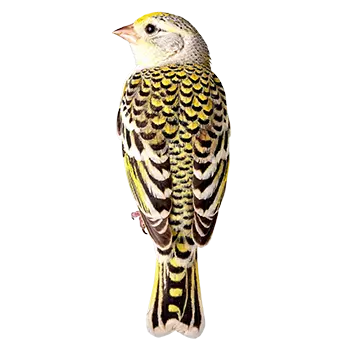

Breeding Season Preparation & Conditioning

Successful Lizard Canary breeding begins weeks or even months before the first egg is laid, with a structured conditioning program that brings both the cock and hen into peak reproductive fitness simultaneously. The natural breeding season for canaries in the Northern Hemisphere runs from approximately March through July, driven by the increasing photoperiod that triggers hormonal cascades governing reproductive behavior and gamete production. Breeders who work with natural light cycles typically begin conditioning their birds in late January or February.

Conditioning the hen focuses on building nutritional reserves, particularly calcium and protein, to support the extraordinary physiological demands of egg production. Each egg requires substantial calcium for shell formation, protein for albumen and embryo development, and lipid reserves to fuel the energy expenditure of laying and incubation. Begin increasing dietary protein through daily egg food and sprouted seed offerings approximately six weeks before the intended pairing date. Introduce a liquid calcium supplement or increase access to cuttlebone and mineral block. A hen that enters the breeding season in lean, well-muscled condition with robust nutritional reserves is far less likely to experience egg binding or produce thin-shelled eggs than one that is either overweight from a sedentary winter or underweight from inadequate nutrition.

Conditioning the cock bird is equally important, though the requirements differ. The male needs to be in vigorous singing condition, which indicates hormonal readiness, and in good physical health to sustain the energy demands of courtship displays, nest defense, and feeding the hen during incubation. Maintain the cock on the standard adult diet with supplemental egg food and greens. Exposure to gradually increasing daylight, either natural or from full-spectrum artificial lighting, stimulates testicular development and song production. A cock that is singing strongly, displaying vigorous courtship behavior, and feeding through the cage bars toward any adjacent bird is approaching readiness for pairing.

The breeding cage should be prepared before the birds are introduced. A standard double-breeding cage with a removable divider is the traditional setup, allowing the pair to see, hear, and feed each other through the wire partition before being given full access. The cage should be positioned in a quiet location with stable temperature and consistent lighting, away from heavy foot traffic, other pets, and sudden noise sources. Install a nest pan or cup on one end of the cage and provide nesting material, typically soft cotton, sisal fiber, or commercially available nesting felt, in a small container that the hen can access freely.

Pairing Strategy & Genetic Considerations

The Lizard Canary presents unique genetic considerations that distinguish its breeding program from those of most other canary varieties. The breed's defining spangled plumage pattern, the cap, and the ground color all have genetic underpinnings that the informed breeder must understand to produce offspring that conform to the breed standard. Thoughtless pairing can produce birds with poor markings, irregular caps, or washed-out ground color within a single generation.

The spangled or rowel pattern is produced by the interaction of melanin deposition and feather structure. Each contour feather ideally shows a dark center surrounded by a lighter edge, creating the repeating scale-like pattern across the back, flanks, and breast. The quality of this patterning is polygenic, meaning it is influenced by multiple genes, and the best results come from pairing birds that both display crisp, evenly distributed spangles. Pairing a well-marked bird with a poorly marked one typically produces offspring intermediate in quality, and consistent improvement requires the selection of breeding stock from lines with a demonstrated history of strong patterning.

The cap, the clear area of unspangled plumage on the crown of the head, is classified as clear-cap, broken-cap, or non-cap depending on its extent and definition. Clear-cap birds show a fully unspangled, oval area on the crown; broken-cap birds have some melanin intrusion into the cap area; and non-cap birds lack a discernible cap entirely. Show standards vary by national canary society, but the clear cap is generally the most valued. Cap genetics are not fully understood as a simple Mendelian trait, but breeders have observed that pairing two clear-cap birds does not guarantee all clear-cap offspring, and that broken-cap birds can produce clear-cap young. Most breeders maintain a mix of cap types in their breeding stock to maximize the probability of producing well-capped exhibition birds.

Ground color in the Lizard Canary is either gold or silver, corresponding to the yellow and white ground color series found across canary breeds. Gold-ground birds display warm, rich buff or golden tones in the feather edging, while silver-ground birds show cooler, paler fringing. The ground color is inherited as a simple genetic trait, with gold being dominant over silver. Pairing two gold-ground birds that carry the silver factor can produce both gold and silver offspring. Breeders who wish to produce silver-ground birds specifically should pair silver to silver, which produces exclusively silver offspring, or pair a gold carrying silver to a silver bird.

Beyond plumage genetics, consider the physical type, vigor, and temperament of prospective breeding pairs. Avoid pairing closely related birds in consecutive generations, as inbreeding depression can manifest as reduced fertility, smaller clutch sizes, decreased chick viability, and diminished immune function. Outcrossing to unrelated Lizard Canary stock every two or three generations maintains hybrid vigor and genetic diversity within the stud.

The Pairing Process & Courtship

Introducing the cock and hen to the breeding cage should follow a deliberate sequence designed to maximize compatibility and minimize the risk of aggression. Canaries are not always immediately accepting of a mate, and forced introductions between birds that are not hormonally synchronized or temperamentally compatible can result in fighting, injury, or complete breeding failure. Patience during the pairing phase pays dividends in the form of a harmonious pair that produces fertile eggs and raises healthy chicks.

The standard pairing protocol begins with the cock and hen placed on opposite sides of a breeding cage divided by a wire or barred partition. This arrangement allows the birds to see, hear, and court each other through the barrier without the risk of physical conflict. Observe the pair's behavior carefully over the following three to five days. Signs of readiness include the hen crouching and wing-quivering in response to the cock's singing, the cock feeding the hen through the partition bars, and both birds spending time close to the divider in apparent mutual interest.

When both birds display consistent signs of receptivity, the divider can be removed to give the pair full access to each other. Monitor closely during the first several hours of full contact. A well-matched, properly conditioned pair will typically mate within the first day or two of introduction. The cock performs a courtship display that includes vigorous singing, wing-spreading, and hopping alongside the hen, culminating in copulation when the hen assumes the solicitation posture. If instead the cock chases the hen aggressively, pulls her feathers, or prevents her from feeding, replace the divider immediately and allow additional conditioning time before trying again.

The hen typically begins nest construction within days of mating. She selects nesting material from the supply provided and carefully weaves it into the nest pan, forming a cup-shaped structure that she lines with the softest available fibers. The cock may assist by carrying material to the nest area, though some males are more attentive in this regard than others. Do not disturb the hen during nest building, as interruptions can cause her to abandon the effort and delay the first egg.

Some experienced breeders practice controlled pairing, in which the cock is given access to the hen for limited periods each day rather than remaining in the breeding cage permanently. This approach can reduce the risk of the cock becoming aggressive toward the hen during incubation or disrupting her on the nest. However, it requires more active management and careful scheduling to ensure adequate mating opportunities. The choice between permanent pairing and controlled access depends on the temperaments of the individual birds and the breeder's preferred management style.

Egg Laying, Incubation & Clutch Management

A Lizard Canary hen typically lays her first egg approximately six to eight days after the initial successful mating, with one egg deposited each morning until the clutch is complete. Clutch size in canaries ranges from three to six eggs, with four or five being most common. Each egg is a small, pale blue or blue-green oval that weighs approximately 2 to 2.5 grams. The hen usually lays one egg per day, though occasionally a day may be skipped between eggs.

Many breeders practice egg management by removing each egg as it is laid and replacing it with a dummy or artificial egg. The real eggs are stored in a small container lined with soft tissue, at room temperature, and gently turned once daily to prevent the embryo from adhering to the shell membrane. When the hen has completed her clutch, typically when she begins sitting tightly on the nest after the final egg, all real eggs are returned simultaneously. This technique synchronizes hatching so that all chicks emerge within the same 24-hour window, preventing the size disparity between first-hatched and last-hatched chicks that can lead to the youngest members of the clutch being outcompeted for food.

Incubation lasts approximately 13 to 14 days from the onset of steady sitting. The hen performs the vast majority of incubation duty, leaving the nest only briefly to feed, drink, and defecate. The cock may sit on or near the nest during these absences, but true shared incubation is uncommon in canaries. During the incubation period, maintain a quiet, stable environment around the breeding cage. Avoid unnecessary cage cleanings, rearrangements, or disturbances that could cause the hen to flush from the nest. A startled hen that leaves the eggs exposed for an extended period risks chilling the embryos to the point of death.

Candling the eggs at approximately seven days into incubation provides information about fertility. Hold each egg gently up to a small, bright light source in a darkened room. Fertile eggs will show a network of blood vessels radiating from a dark central mass, the developing embryo. Infertile eggs, or eggs in which the embryo has died early, will appear uniformly translucent or show a dark ring without vascular development. Remove confirmed infertile eggs to allow the hen to concentrate her incubation effort on viable eggs. If the entire clutch proves infertile, evaluate the cock's fertility, the timing and frequency of mating, and the birds' overall condition before attempting a second round.

As the hatch date approaches, increase the availability of soft, protein-rich rearing food in the cage so the hen can begin conditioning her crop contents for feeding the chicks. Soaked seed, fresh egg food, and finely chopped greens should be abundant and fresh. The transition from incubation to chick-rearing is the most demanding phase of the breeding cycle for the hen, and her nutritional preparedness at this juncture directly influences the survival and growth rate of the hatchlings.

Post-Hatch Breeding Management

The days immediately following hatching require attentive management to support the hen's feeding efforts and ensure the chicks receive adequate nourishment. A well-prepared hen with access to high-quality rearing food will typically begin feeding within hours of the first chick hatching. The breeder's role shifts from incubation oversight to nutritional support and chick monitoring, observing from a respectful distance to avoid disrupting the hen's natural maternal behavior.

Monitor the chicks at least twice daily by briefly inspecting the nest to confirm that crops are filled. A fed chick displays a rounded, slightly translucent crop visible through the thin skin of the neck and upper breast. An unfed chick will have a flat, empty crop and may appear restless, vocalizing persistently in an attempt to solicit feeding. If one chick in the clutch consistently appears underfed while its siblings are well-nourished, it may be the runt of the clutch or may have a subtle health issue that causes the hen to prioritize the stronger nestmates.

The cock bird's role during the rearing phase varies by individual temperament. Some cocks actively participate by feeding the hen on the nest and occasionally feeding the chicks directly. Others are indifferent to the chicks or, in unfortunate cases, become aggressive toward them. If the cock shows any aggression toward the chicks, such as pecking at them or attempting to remove them from the nest, he should be immediately separated by replacing the cage divider. The hen is fully capable of raising the clutch alone, and the safety of the chicks takes absolute priority.

Band the chicks with closed aluminum leg bands between days five and seven, when the foot is still flexible enough for the band to slide over the toes but large enough to prevent the band from falling off after a few more days of growth. Banding serves as permanent identification for the individual bird and is required for show registration and pedigree documentation in most canary societies. The banding process requires a gentle, confident technique: hold the chick carefully, group the three forward-facing toes together, slide the band over them and past the rear toe, then release. If banding is delayed past day eight, the foot may be too large for the band to pass over.

Decisions about allowing the hen to go to a second round must balance productivity with the hen's physical welfare. A healthy, well-nourished hen can typically raise two clutches per season without undue stress. However, allowing three or more clutches places excessive demands on her calcium reserves, liver, and overall stamina, potentially shortening her productive lifespan and increasing the risk of egg binding and other reproductive complications. Observe the hen's body condition after the first clutch fledges. If she appears lean, fatigued, or has lost significant breast muscle mass, allow her to rest and recover rather than pushing for additional breeding.

Fostering & Problem Solving

Even well-planned Lizard Canary breeding programs encounter situations that require intervention, and the skilled breeder's ability to troubleshoot problems effectively often determines whether a breeding season is productive or disappointing. Common challenges include infertile clutches, egg binding, parental neglect, and chick mortality, each of which has identifiable causes and established management approaches.

Infertility is one of the most frequent breeding disappointments. If a clutch proves entirely infertile after candling, evaluate both birds systematically. In the cock, common causes include insufficient conditioning, low sperm quality due to age or illness, and behavioral issues such as failure to complete the mating act due to overgrown toenails or poor perch positioning that prevents stable mounting. In the hen, infertility may result from internal infections that prevent ovulation or oviduct function, hormonal imbalance, or age-related reproductive decline. If the first clutch fails, allow the pair to recycle naturally and attempt a second clutch before concluding that the pairing is incompatible.

Egg binding occurs when a hen is unable to pass a fully formed egg through the oviduct. The condition is life-threatening and presents as a hen sitting fluffed on the cage floor, straining, and sometimes with a visible swelling near the vent. Contributing factors include calcium deficiency, obesity, chilling during egg formation, excessively large egg size, and inadequate muscle tone. Immediate first aid includes placing the hen in a warm, humid environment, approximately 85 to 90 degrees Fahrenheit with elevated humidity, and providing a few drops of liquid calcium orally. If the egg is not passed within two to three hours, veterinary intervention is essential and may include manual manipulation, hormonal treatment, or in severe cases, surgical extraction.

Fostering chicks under a different hen is a valuable strategy when a clutch is orphaned, when a hen abandons her chicks, or when a clutch is too large for a single hen to feed adequately. Successful fostering requires a foster hen that is at the same stage of breeding, either incubating eggs of similar age or already feeding chicks of comparable size. Transfer the chicks to the foster nest during the hen's brief absence to minimize disturbance. Most canary hens will accept foster chicks without hesitation, particularly if the chicks are of similar age to their own, though monitoring the foster nest closely during the first few hours confirms that the transferred chicks are being fed.

Chick mortality, while distressing, is a reality of avian breeding that even experienced breeders encounter. Common causes include parental neglect, aspiration during feeding by the hen, congenital abnormalities, and infectious disease. Maintaining strict hygiene in the breeding cage, providing optimal nutrition, and selecting breeding stock from lines with demonstrated parental competence all reduce mortality rates over successive seasons. Necropsy of deceased chicks by an avian veterinarian can sometimes identify causes of death that inform future prevention strategies, particularly when losses occur in a pattern that suggests an infectious or genetic cause.

Record Keeping & Breeding Program Management

A disciplined approach to record keeping transforms Lizard Canary breeding from an exercise in hopeful repetition into a structured program that improves outcomes with each passing season. The distinctive plumage genetics of the Lizard breed demand particularly careful documentation, as the expression of spangling quality, cap type, and ground color across generations reveals patterns that guide future pairings toward the breed standard.

At minimum, maintain a breeding record for each pair that includes the band numbers and descriptions of both cock and hen, the date of pairing, the date of each egg laid, candling results, hatch dates, and the band numbers assigned to each chick. Add qualitative notes about the pair's compatibility, the hen's nest-building behavior and incubation diligence, the cock's courtship and feeding contributions, and any health issues observed during the breeding cycle. This granular detail becomes invaluable when evaluating which pairings to repeat and which to revise in subsequent seasons.

Pedigree tracking is essential for managing the genetic health and plumage quality of a Lizard Canary stud. Maintain a three-generation pedigree for each bird in the collection, noting not only the band number and parentage but also the cap type, ground color, spangling quality, and any hereditary health concerns observed in each ancestor. This information prevents inadvertent inbreeding, reveals which bloodlines consistently produce superior patterning, and identifies carriers of undesirable traits that might not be visible in the carrier bird itself.

Evaluate each season's results against your stated breeding goals. If you are working to improve cap clarity, compare the percentage of clear-cap chicks produced this season with previous years. If spangling quality is your focus, photograph each bird's back plumage at the same age and under the same lighting conditions to create a visual record that allows objective comparison over time. Data-driven evaluation reveals progress that subjective impression alone might miss, and conversely, it can reveal stagnation or regression that wishful thinking might obscure.

Connect with the broader Lizard Canary breeding community through specialty clubs and societies. Organizations such as the Lizard Canary Association of Great Britain and equivalent bodies in other countries maintain registries, publish breeding guidelines, organize shows, and facilitate the exchange of breeding stock that is essential for maintaining genetic diversity within the breed. The Lizard Canary experienced a near-extinction event in the mid-twentieth century, and the breed's recovery is a testament to the dedicated breeding programs maintained by specialist fanciers. Participating in this community ensures that your breeding efforts contribute to the long-term conservation of one of the oldest and most distinctive canary varieties.

Always consult a qualified professional before making any health-related decisions. This content is provided for informational reference only and should not replace professional guidance specific to your animal.