
Recognizing the Senior Stage

Determining when a Lizard Canary has entered its senior years requires careful observation rather than reliance on a single chronological milestone. The breed's typical lifespan ranges from eight to twelve years under good husbandry, with some well-cared-for individuals reaching thirteen or fourteen years. Most Lizard Canaries begin to show recognizable signs of aging between seven and nine years, though the onset and pace of age-related changes vary considerably depending on the bird's genetics, lifetime diet, environmental history, and overall health.

The first indicators of advancing age are often subtle. A male that once sang vigorously throughout the day may begin to reduce the duration and frequency of his performances, though the song itself may retain much of its quality. Activity levels gradually decrease, with the bird spending more time resting on a favored perch rather than flitting energetically around the cage. These behavioral shifts occur incrementally and can be easy to overlook if the keeper is not attuned to the bird's baseline patterns from its younger years.

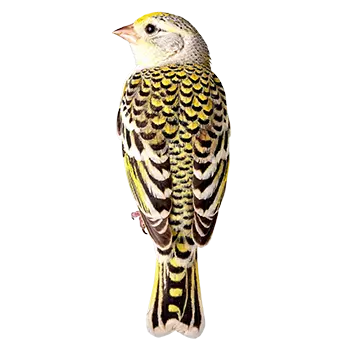
Physical changes accompany the behavioral shifts. The plumage may lose some of its luster, with feather texture becoming slightly rougher or less tightly structured. In Lizard Canaries, the characteristic spangled pattern continues its natural progression toward increased melanin spread, and by the senior years many birds display a heavily marked or broken-capped appearance that differs markedly from the crisp, well-defined spangles of their youth. While this plumage evolution is a natural breed characteristic rather than a disease process, it serves as a visual reminder of the bird's advancing age.

The feet and legs may show thickening or scaling of the skin, and the nails may grow faster or at irregular angles due to reduced activity and changes in keratin metabolism. Joint stiffness can become apparent, particularly in birds that have been housed for years on smooth, uniform-diameter perches that do not promote natural foot flexibility. The beak may also require more frequent monitoring, as aging birds sometimes develop slight overgrowth or asymmetrical wear patterns. Recognizing these changes as a collective constellation rather than isolated problems is the first step in adapting care to meet the senior bird's evolving needs.

Dietary Adjustments for Aging Birds

Nutritional needs shift as a Lizard Canary ages, and the diet that served the bird well during its prime adult years may need modification to support declining organ function, changing metabolic rate, and the specific health challenges that accompany advancing age. The goal is to provide easily digestible, nutrient-dense food that maintains body condition without overtaxing the liver and kidneys, which bear the cumulative effects of a lifetime of metabolic processing.

Seed remains the dietary foundation, but the proportions may need adjustment. Reduce the percentage of oil-rich seeds such as niger, hemp, and linseed, which place increased demand on the liver for lipid metabolism. Emphasize canary grass seed and smaller amounts of rape seed, which provide adequate energy with a lower fat burden. Some senior canaries develop difficulty husking harder seeds due to slight beak weakness or reduced jaw muscle tone. In these cases, offering soaked or sprouted seed alongside the dry mix ensures the bird can access nutrition even if its husking efficiency has declined.

Soft foods become increasingly important in the senior diet. Egg food, offered three to four times per week, provides high-quality protein in a form that requires minimal mechanical processing. Finely chopped greens, grated vegetable, and small pieces of soft fruit add vitamins and moisture to the diet. Senior canaries sometimes reduce their independent water intake, making moisture-rich foods a valuable supplemental hydration source. Monitor the bird's droppings for signs of dehydration, which manifests as scant, dark urate and concentrated fecal matter.

Calcium supplementation takes on added importance as the bird ages, particularly for hens that have been through multiple breeding seasons. Even non-breeding hens may occasionally produce eggs throughout their lives, and each egg-laying event draws calcium from the skeletal reserves. A depleted calcium store in a senior bird can lead to fragile bones, muscular weakness, and increased vulnerability to egg binding. Cuttlebone should always be available, and some keepers add a liquid calcium supplement to the water during periods when the hen shows signs of reproductive activity.

Digestive efficiency often declines in senior canaries, which can manifest as undigested seed in the droppings, intermittent loose stools, or gradual weight loss despite apparently normal food intake. A probiotic supplement added to the water or soft food several times per week can support beneficial gut flora and improve nutrient absorption. If digestive problems persist despite dietary management, veterinary evaluation is warranted to rule out underlying conditions such as megabacteriosis, commonly called going light, which is caused by the organism Macrorhabdus ornithogaster and is particularly prevalent in canaries and finches.

Cage Modifications & Mobility Support

As a Lizard Canary ages and its physical capabilities change, the cage environment should be thoughtfully modified to accommodate reduced mobility, decreased flight endurance, and the increased risk of injury from falls. The goal is not to restrict the bird's activity but to ensure that the space it inhabits supports comfortable, safe movement without placing demands that the aging body cannot meet.

Perch placement is the most consequential modification. Lower all perches to reduce the height of any potential fall. A senior canary that loses its grip during the night and falls from a high perch can sustain bruising, wing injuries, or leg fractures that would not have occurred in a younger, more resilient bird. Position perches no more than six to eight inches above the cage floor, and ensure they are spaced close enough together that the bird can reach the next perch with a short hop rather than requiring a full flight. Multiple perches at similar heights give the bird options for repositioning without demanding significant physical effort.

Perch surface and diameter deserve renewed attention. Provide a range of diameters, from approximately three-eighths of an inch to five-eighths of an inch, to allow the bird to shift its foot position and avoid constant pressure on the same points. Natural wood branches with irregular surfaces promote grip and reduce the risk of bumblefoot, a painful condition of the foot pads that is more common in inactive or overweight birds on smooth perches. A flat platform perch, sometimes called a comfort perch, offers an alternative resting surface where the bird can sit with its feet flat rather than gripping, which can relieve joint strain in arthritic individuals.

Food and water placement should account for the senior bird's reduced inclination to navigate the cage. Position dishes at perch level or slightly below so the bird can eat and drink without descending to the cage floor and then struggling to return to its preferred roosting position. If the bird shows signs of difficulty reaching standard cage-mounted dishes, consider switching to low-profile dishes placed on a stable surface near the bird's favored perch.

Cage floor preparation becomes more important as the risk of floor landings increases. A padded floor covering, such as a layer of clean paper towels over the tray liner, cushions any falls and provides a more comfortable surface if the bird spends time on the floor. Remove any sharp cage furnishings, toys with small parts that could trap arthritic toes, or deep water vessels that pose a drowning risk to a bird with compromised mobility. Simplicity, safety, and accessibility should guide every modification decision.

Common Geriatric Health Conditions

Senior Lizard Canaries are susceptible to a range of age-related health conditions that, while not always preventable, can be managed effectively when detected early. Understanding the most common geriatric conditions prepares the keeper to recognize symptoms promptly and seek appropriate veterinary care before a treatable condition becomes a crisis.

Hepatic lipidosis, or fatty liver disease, is one of the most prevalent conditions in aging canaries, particularly those that have been maintained on seed-heavy diets with limited exercise throughout their lives. The liver gradually accumulates lipid deposits that impair its function, leading to symptoms that may include lethargy, obesity or paradoxical weight loss, overgrown beak and nails, and discoloration of the cere or skin. In advanced cases, the bird may develop ascites, a fluid accumulation in the abdomen that gives it a swollen, pear-shaped appearance. Dietary correction, increased exercise opportunity, and supportive veterinary care can slow progression, but significant hepatic damage is generally irreversible.

Renal disease becomes more common as canaries age. The kidneys lose filtration capacity over time, and their ability to concentrate urine and excrete metabolic waste products diminishes. Clinical signs include increased water consumption, watery droppings with an elevated urine-to-feces ratio, weight loss, and general malaise. Reducing dietary protein moderately and ensuring adequate hydration can ease the burden on compromised kidneys, though veterinary monitoring through periodic blood chemistry panels is advisable to track disease progression.

Neoplasia, or tumor formation, occurs in senior canaries with notable frequency. Common sites include the liver, kidney, reproductive organs, and skin. Internal tumors may not be detectable until they produce visible abdominal distension or cause secondary organ dysfunction. External tumors or masses on the wing, leg, or body surface are more readily identified and should be evaluated by an avian veterinarian to determine whether surgical removal is feasible and appropriate given the bird's age and overall condition.

Arthritis and degenerative joint disease affect the feet, legs, and sometimes the wings of senior canaries. A bird that shifts weight frequently, favors one foot, or perches in an unusual posture may be experiencing joint discomfort. Environmental modifications such as wider, padded perches and reduced perch heights help manage the physical impact of joint disease. Anti-inflammatory medication prescribed by an avian veterinarian can provide symptomatic relief in more severe cases, though long-term use requires careful monitoring of kidney function.

Cognitive & Sensory Changes

Aging affects not only the physical body but also the sensory and cognitive faculties of a Lizard Canary. While avian cognitive decline is less well-documented than its counterpart in mammals, experienced keepers commonly observe changes in behavior, alertness, and responsiveness that suggest diminishing sensory acuity and cognitive processing in elderly canaries. Accommodating these changes with patience and environmental adaptation allows the senior bird to maintain a reasonable quality of life.

Vision changes are among the most impactful sensory declines in aging canaries. A bird that startles more easily at sudden movements, hesitates before flying to a perch it once navigated confidently, or misjudges landing distances may be experiencing reduced visual acuity. Cataracts, which appear as a cloudy opacity in the lens of the eye, are occasionally observed in geriatric canaries and can significantly impair vision. While cataract surgery is not practical for a bird of this size, environmental adjustments such as consistent cage layout, stable lighting conditions, and the removal of obstacles can help a visually impaired bird navigate its familiar space safely.

Hearing decline can affect a senior male's singing behavior and a bird's responsiveness to environmental sounds. A canary that no longer reacts to the sound of its food dish being filled or fails to respond to familiar vocal cues may have diminished auditory sensitivity. While hearing loss is difficult to confirm definitively without specialized testing, behavioral changes in response to auditory stimuli provide useful indirect evidence. Speak to the bird at a consistent volume and from a consistent position to reduce confusion, and avoid relying solely on sound cues to alert the bird to your approach, as a startled bird with poor hearing may injure itself in a panic response.

Behavioral changes associated with cognitive aging may include increased sleepiness, reduced interest in environmental stimuli, repetitive behaviors such as pacing or head swaying, and altered social responses. A bird that was previously outgoing and responsive to human interaction may become withdrawn or indifferent. These changes can be distressing for keepers who have formed strong bonds with their birds over years of companionship. Maintain gentle, predictable interaction routines that provide social comfort without demanding engagement the bird can no longer sustain.

Providing consistent environmental enrichment tailored to the bird's remaining capabilities helps maintain cognitive function and quality of life. Simple foraging activities, periodic changes in cage accessories, and continued auditory stimulation through music or human conversation keep the aging brain engaged even as its capacity diminishes. The goal in this stage is not to reverse the aging process but to ensure the bird's remaining time is spent in comfort, security, and the familiar routines that provide a sense of stability.

Veterinary Care for Senior Canaries

The veterinary approach to a senior Lizard Canary shifts from the preventive focus of the adult years toward a model that balances proactive health monitoring with realistic expectations about the limitations of geriatric medicine in small passerine birds. Finding an avian veterinarian who is experienced with aging canaries and who understands the delicate balance between diagnostic intervention and the stress that veterinary visits impose on a small, elderly bird is essential.

Biannual wellness examinations are recommended for senior canaries, providing twice the monitoring frequency of the annual visits appropriate for healthy adults. Each examination should include a thorough physical assessment with particular attention to body condition, feather quality, beak and nail growth, joint mobility, and abdominal palpation to check for masses or fluid accumulation. A fecal gram stain and wet mount help identify bacterial, yeast, or parasitic imbalances that may have developed since the last visit.

Blood work, while more stressful to obtain from a small bird than from a larger species, provides invaluable information about organ function in a senior canary. A basic avian chemistry panel can reveal elevated liver enzymes indicative of hepatic disease, elevated uric acid suggesting renal compromise, or changes in blood glucose that point to metabolic dysfunction. The decision to pursue blood work should be made collaboratively between the keeper and the veterinarian, weighing the diagnostic value against the handling stress, particularly in very elderly or frail birds.

Medication administration in senior canaries requires special consideration. Many avian medications are formulated for larger species and must be precisely dosed for a bird weighing under 25 grams. Oral medications can be administered via the drinking water, mixed into a preferred soft food, or given directly by syringe in small volumes. The keeper's ability to administer medication consistently and with minimal stress to the bird is a practical factor that should inform treatment decisions. A treatment that is theoretically optimal but causes severe handling stress with each dose may ultimately do more harm than good in an elderly bird.

End-of-life planning should be an ongoing conversation with the veterinarian, not a topic reserved for crisis moments. Discuss the bird's quality-of-life indicators openly, and establish a shared framework for evaluating when a condition has progressed beyond the point of meaningful treatment. An avian veterinarian experienced with canaries can help the keeper distinguish between treatable conditions that respond to intervention and terminal decline that is best managed through comfort care rather than aggressive treatment.

Quality of Life Assessment

Evaluating the quality of life of a senior Lizard Canary is an ongoing process that requires the keeper to combine objective observations with a compassionate understanding of what matters to the bird. Unlike mammals that can communicate pain or discomfort through vocalizations and body language that humans readily interpret, canaries express their internal state through subtle behavioral and physiological signals that demand attentive, knowledgeable observation.

A practical quality-of-life framework for a senior canary considers several key domains. Appetite and nutrition are primary indicators. A bird that continues to eat with interest, maintains a stable or only gradually declining weight, and produces normal droppings is meeting its basic metabolic needs. A bird that progressively loses interest in food, drops weight despite dietary adjustments, or produces persistently abnormal droppings may be signaling that its body is no longer processing nutrition effectively.

Mobility and physical comfort form the second assessment domain. Can the bird reach its food and water without difficulty? Does it perch without signs of pain, such as constant foot shifting, leg lifting, or reluctance to grip? Can it move through the cage with reasonable coordination, even if at a slower pace than in younger years? A bird that can no longer reach its food, that repeatedly falls from perches, or that spends most of its time on the cage floor due to inability to perch has experienced a significant quality-of-life decline that warrants serious discussion with the veterinarian.

Engagement with the environment is the third domain. A canary that retains interest in its surroundings, responds to the keeper's presence, preens itself, and, in the case of males, still sings at least occasionally demonstrates ongoing engagement with life. A bird that sits motionless and unresponsive for prolonged periods, neglects its plumage, and shows no interest in food, companionship, or environmental stimuli may be experiencing suffering that is not being adequately managed.

Keepers should document their quality-of-life observations regularly, ideally in a simple journal that tracks daily scores for appetite, mobility, engagement, and any symptoms being monitored. This record provides a longitudinal view that reveals gradual trends which day-to-day observation might miss. It also serves as a valuable communication tool during veterinary consultations, helping the clinician understand the trajectory of the bird's condition rather than relying on a snapshot from a single examination. The accumulated record ultimately supports the keeper in making the most informed and compassionate decisions about the bird's ongoing care.

Always consult a qualified professional before making any health-related decisions. This content is provided for informational reference only and should not replace professional guidance specific to your animal.