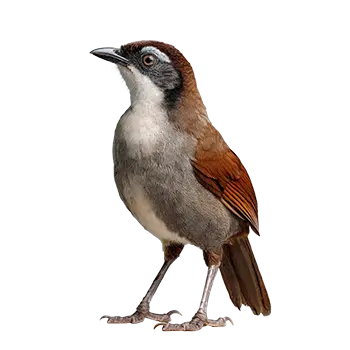

Laughing Thrushes typically enter their senior years between seven and ten years of age, depending on the species, individual genetics, and the quality of care received throughout their lives. Unlike some larger psittacines that show minimal aging signs for decades, passerine birds age on a compressed timeline, and the transition from full vitality to reduced capacity can occur over a relatively short span of months rather than years. Recognizing the early signs of aging allows caregivers to make proactive adjustments that preserve comfort and quality of life before significant decline sets in.
The earliest indicators of aging are often behavioral rather than physical. A Laughing Thrush that was previously vigorous and constantly active may begin spending longer periods resting on a favored perch, reducing its flight frequency, and showing less interest in exploratory behavior and novel stimuli. The bird's morning vocal sessions may become shorter or less intense, and its overall activity level throughout the day may decrease noticeably. These changes are gradual and can be easy to miss if the caregiver is not specifically watching for them, which is why establishing baseline behavioral observations during the adult years provides a valuable reference point.
Physical signs of aging follow the behavioral ones. The plumage may lose some of its luster, appearing slightly duller or less tightly structured than during the prime years. Feather quality during the annual molt may decline, with the new plumage taking longer to grow in and showing occasional fault bars or minor structural irregularities. The feet may develop slight scaliness or changes in grip strength, and the beak may show altered growth patterns, growing slightly faster or in a slightly different shape than it did during younger years.
It is important to distinguish normal age-related changes from symptoms of treatable disease. Many of the signs described above overlap with presentations of chronic illness, nutritional deficiency, or environmental stress. A Laughing Thrush that appears to be aging rapidly or declining suddenly deserves a thorough veterinary workup before its changes are attributed to age alone. Blood work, imaging, and a comprehensive physical examination can identify treatable conditions that, if addressed, may restore a significant portion of the bird's vitality and extend its healthy lifespan.