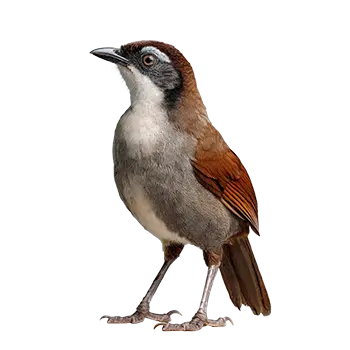

There comes a point in a senior Laughing Thrush's life when the trajectory shifts from manageable aging to irreversible decline, and recognizing this transition is essential for providing appropriate end-of-life care. Terminal decline in passerine birds often progresses more rapidly than in larger species, and the window between the first signs of irreversible deterioration and death can be measured in days or weeks rather than the months that larger parrots or raptors sometimes afford. Understanding what terminal decline looks like in a Laughing Thrush helps the caregiver make timely decisions about shifting the focus of care from treatment to comfort.
The most consistent marker of terminal decline is a sustained, progressive loss of body weight that does not respond to dietary intervention. A Laughing Thrush in irreversible decline will lose muscle mass along the keel bone, and the bird's breastbone will become increasingly prominent to the touch despite the caregiver's best efforts to maintain caloric intake. This wasting occurs because the bird's body is consuming its own muscle tissue to fuel essential metabolic processes that the digestive system can no longer support through food absorption. When weight loss becomes unresponsive to increased feeding efforts and veterinary treatment, the prognosis is typically guarded to poor.
Behavioral withdrawal is another hallmark of terminal decline. A bird that was previously social, vocal, and engaged with its environment may become progressively quieter, spending most of its time resting with fluffed plumage and partially closed eyes. The bird may cease bathing, reduce or stop preening, and show minimal interest in food, companions, or environmental stimuli that previously elicited enthusiastic responses. In a species as vocally active as the Laughing Thrush, a significant and sustained reduction in vocalization is a particularly telling sign, as it represents the loss of one of the bird's most fundamental behavioral drives.
Physical signs of systemic failure may include labored or irregular breathing, changes in droppings that suggest organ dysfunction such as tarry black feces indicating gastrointestinal bleeding or bright yellow-green urates indicating liver failure, an inability to maintain balance on perches, and episodes of disorientation or collapse. Any of these signs warrants an immediate veterinary consultation to determine whether the underlying cause is treatable or whether the bird has entered a phase where curative treatment is no longer realistic and comfort care should become the priority.