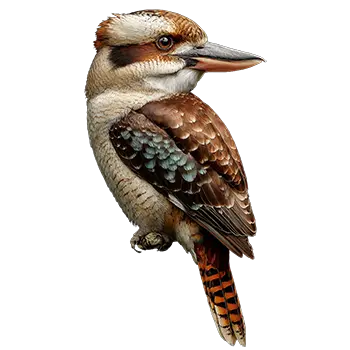

Recognizing the Onset of Aging

The transition from a Kookaburra's prime adult years into the senior stage is gradual, and there is no single event or birthday that marks the beginning of old age. As a general guideline, Kookaburras in captivity begin showing age-related changes between twelve and fifteen years, though individual variation is substantial. Birds that have received excellent nutrition, veterinary care, and environmental enrichment throughout their lives tend to show signs of aging later than those whose care has been inconsistent or suboptimal.

The earliest signs of aging in a Kookaburra are often behavioral rather than physical. A bird that previously flew with power and precision may begin choosing lower perches, making shorter flights, or hesitating before takeoff. Activity levels during peak hours may decrease, with the bird spending more time sitting quietly than it did in previous years. These changes are often so gradual that caregivers do not notice them until they compare current behavior against memories or records from the bird's younger years, which is one reason that maintaining behavioral notes over the bird's lifetime is valuable.

Physical signs of aging include a subtle dulling of plumage intensity, reduced muscle mass particularly along the keel and pectoral region, thickening and scaling of the skin on the feet, and gradual changes in beak texture. The eyes may develop a slightly hazy appearance as the lens ages, though significant cataracts are less common in Kookaburras than in some other captive bird species. Weight changes, either gradual loss from muscle wasting or gradual gain from decreased activity, are common and should be tracked against the bird's established baseline.

Recognizing these changes early allows caregivers to adjust the bird's environment, diet, and veterinary care schedule proactively rather than reactively. A Kookaburra whose aging is acknowledged and accommodated can enjoy several additional years of good quality of life. A bird whose declining capabilities are ignored or misinterpreted as behavioral problems is at risk of injury, malnutrition, and preventable suffering.

Adjusting the Diet for Senior Birds

Nutritional management during the senior years requires a recalibration of the dietary approach that served the bird well during its prime. The aging Kookaburra's metabolic rate declines, its digestive efficiency may decrease, and its nutritional priorities shift from supporting peak physical performance to maintaining organ function, immune competence, and tissue repair. Continuing to feed a senior bird exactly as you fed it at five years of age can lead to obesity, organ strain, and exacerbation of age-related conditions.

Total caloric intake should be adjusted downward for senior birds that have become less active. The exact reduction depends on the individual bird's weight trend, body condition, and activity level, but a decrease of ten to twenty percent from the prime adult ration is a reasonable starting point. Make reductions gradually over several weeks while monitoring weight to ensure the bird does not lose condition too rapidly. The goal is stable weight maintenance at a healthy body condition, not weight loss per se.

Protein quality becomes more important than protein quantity as the bird ages. High-quality, easily digestible animal proteins support the maintenance of muscle mass and immune function without placing excessive demand on aging kidneys. Whole prey items remain the best dietary foundation, but consider offering slightly smaller prey sizes if the bird shows difficulty handling or processing large items. Some senior Kookaburras develop reduced beak strength or mild jaw stiffness that makes consuming very large or hard-bodied prey items uncomfortable.

Supplementation for senior Kookaburras should be reviewed with your avian veterinarian at least annually. Joint-support supplements containing glucosamine and chondroitin may benefit birds showing signs of reduced mobility, though evidence for their efficacy in avian species is limited compared to mammalian data. Omega-3 fatty acid supplementation can support anti-inflammatory processes and feather quality. Vitamin and mineral supplementation should be tailored to the bird's specific bloodwork results rather than applied generically, as senior birds are more susceptible to both deficiency and toxicity.

Hydration warrants increased attention in senior birds. Aging kidneys may be less efficient at concentrating urine, leading to increased water loss. Ensure fresh water is always available and positioned where the bird can access it easily without strenuous effort. Some senior Kookaburras benefit from having water offered at a height that does not require climbing or descending to reach, particularly if mobility is compromised.

Environmental Modifications for Aging Birds

The enclosure that served a vigorous adult Kookaburra well may need thoughtful modification to accommodate the changing physical capabilities of a senior bird. Environmental adjustments for aging Kookaburras are not about reducing stimulation or stripping the enclosure bare, but about making the bird's territory more accessible and forgiving while maintaining the complexity and enrichment that support mental health.

Perch placement is often the first adjustment needed. A senior Kookaburra that is reluctant to fly to high perches or that lands clumsily may benefit from perches repositioned at lower, more easily accessible heights. Adding intermediate perches that create a staircase of landing options between high and low points reduces the distance and effort required for any single flight. Perches should be slightly wider in diameter than those used during the prime years, as broader surfaces distribute the bird's weight over more of the foot and reduce pressure on aging joints and skin.

Footing and traction become increasingly important as the bird ages. Smooth perch surfaces that a young bird negotiated without difficulty can become hazardous for a senior bird with reduced grip strength or arthritic toes. Wrapping perches in veterinary cohesive bandage or using textured natural bark perches improves traction and cushioning. The enclosure floor should also be evaluated; a senior bird that occasionally falls needs a soft landing surface rather than a hard, unforgiving floor.

Temperature management may require more active intervention for senior birds. Older Kookaburras are less efficient at thermoregulation than younger birds and may need supplemental heat during cold weather or access to cooler retreats during hot periods. If the bird is housed outdoors, ensure the sheltered portion of the aviary is adequately insulated and that a safe heat source, such as a ceramic heat emitter, is available during cold nights. Monitor the bird's behavior for signs of thermal discomfort, including puffed plumage and shivering in cold conditions or panting and wing-spreading in heat.

Geriatric Health Screening

The frequency and scope of veterinary examinations should increase as a Kookaburra enters its senior years. Annual wellness visits are the minimum standard, but twice-yearly examinations are strongly recommended for birds over twelve years of age. Age-related health conditions often develop insidiously in birds, and the six-month interval between semi-annual visits provides a tighter surveillance window that improves the chances of early detection.

The geriatric health screen should include everything in the standard adult wellness examination, with the addition of more comprehensive bloodwork. A full biochemistry panel that includes liver enzymes, kidney values, uric acid, calcium, phosphorus, and total protein provides a detailed picture of organ function. Trends in these values over time are often more informative than any single result, which is why maintaining a longitudinal health record throughout the bird's life is so valuable. A liver enzyme value that is within the normal range but has doubled since the previous year warrants investigation even if it does not trigger an absolute alarm.

Radiographic imaging becomes an increasingly useful diagnostic tool for senior Kookaburras. Whole-body radiographs can reveal changes in bone density, joint degeneration, hepatomegaly, cardiac enlargement, and other structural abnormalities that are not detectable on physical examination alone. Your veterinarian may recommend baseline radiographs at the onset of the senior years, with follow-up imaging as needed based on clinical findings or symptom development.

Ophthalmic examination should be included in the geriatric assessment. Age-related lens changes, retinal degeneration, and other ocular conditions can affect a Kookaburra's vision and consequently its ability to navigate its environment, locate food, and interact with its surroundings safely. Significant vision loss may explain behavioral changes such as increased startle responses, reluctance to fly, or difficulty locating food items that were previously found easily.

Beak health also becomes more important in the senior years. Beak growth rate and wear patterns may change with age, and conditions such as beak overgrowth, asymmetric wear, or microcracking of the keratin sheath can compromise the bird's ability to eat comfortably. Senior Kookaburras may require more frequent beak maintenance than younger birds, and any beak abnormality should be evaluated promptly rather than left to worsen.

Managing Chronic Conditions

As Kookaburras age, the likelihood of developing chronic health conditions increases. Managing these conditions effectively requires a partnership between the caregiver and the avian veterinarian, with an emphasis on maintaining quality of life rather than pursuing aggressive curative treatment that may cause more suffering than the condition itself.

Arthritis is one of the most common chronic conditions in senior Kookaburras, affecting the joints of the feet, legs, and wings. The bird may show reluctance to grip perches firmly, shift weight from one foot to the other frequently, or reduce its flight activity. Environmental modifications such as padded perches, lowered perch heights, and heated resting surfaces can significantly improve comfort. Anti-inflammatory medications prescribed by your avian veterinarian may be appropriate for birds with moderate to severe joint discomfort, though long-term use requires monitoring for side effects.

Renal disease is another age-related concern that may become apparent through changes in urate color, volume, or consistency. Healthy urates are white and paste-like; yellow, green, or watery urates may indicate kidney dysfunction. Blood work showing elevated uric acid levels confirms renal compromise. Management typically involves dietary modification to reduce protein load, increased hydration support, and in some cases fluid therapy administered by the veterinarian. Renal disease in birds is rarely curable but can often be managed to maintain acceptable quality of life for an extended period.

Cardiac disease, while less commonly diagnosed in Kookaburras than in some parrot species, can occur in senior birds. Signs may include exercise intolerance, labored breathing after minimal exertion, and fluid accumulation in the abdominal cavity. Diagnosis requires radiographic and potentially echocardiographic evaluation, and treatment options are limited but may include diuretics and cardiac support medications. Understanding that a diagnosis of cardiac disease in a senior bird requires quality-of-life management rather than expectations of cure helps caregivers make appropriate treatment decisions.

Cognitive Changes and Mental Health

Cognitive decline in senior Kookaburras is an area that receives less attention than physical health changes but can significantly impact the bird's quality of life and its relationship with its caregivers. While the neurology of avian aging is not as extensively studied as that of mammals, experienced keepers and avian veterinarians recognize behavioral patterns in very old birds that are consistent with cognitive changes.

Signs that may indicate cognitive decline include disorientation in familiar environments, forgetting previously learned behaviors or trained cues, changes in sleep-wake cycles, and altered social interactions. A bird that always responded to its name or a specific call and no longer does so, or that fails to recognize familiar feeding routines, may be experiencing cognitive changes. These shifts are typically gradual and may be mistaken for stubbornness or willful noncompliance before being recognized as neurological.

Maintaining mental stimulation is one of the most effective strategies for supporting cognitive health in a senior Kookaburra. Continue offering enrichment activities, foraging opportunities, and social interaction, even if the bird engages with them less vigorously than it once did. Novel stimuli presented at a manageable intensity, such as new but non-threatening objects in the enclosure or gentle changes in routine, encourage the bird's brain to remain active and responsive.

Social isolation is particularly detrimental to the cognitive health of senior birds. A Kookaburra that is moved to a quiet back room or whose caregiver reduces interaction because the bird seems less responsive risks entering a cycle of declining stimulation and accelerating cognitive deterioration. Maintain regular social contact, speak to the bird frequently, and keep it within the flow of household activity. Even if the bird's responses are muted compared to its younger years, the sensory input and social presence provide meaningful support for its aging brain.

Quality of Life Assessment

Assessing quality of life in a senior Kookaburra is an ongoing responsibility that requires both objective observation and honest emotional reckoning. Caregivers who have lived with a bird for a decade or more are understandably attached and may find it difficult to acknowledge when the bird's quality of life is declining. Developing a structured approach to quality-of-life assessment helps ensure that decisions about the bird's care are guided by the bird's actual welfare rather than the caregiver's desire to avoid loss.

A practical quality-of-life framework evaluates several key domains on a regular basis. Appetite and feeding behavior is the first domain: Is the bird eating voluntarily and maintaining adequate nutrition? Mobility is the second: Can the bird move around its enclosure, access food and water, and reach its preferred perching sites without distress? Comfort is the third: Is the bird free from unmanaged pain, chronic discomfort, or respiratory difficulty? Social engagement is the fourth: Does the bird still interact with its environment and its caregivers in ways that suggest awareness and interest?

Score each domain periodically, whether weekly or monthly, using a simple scale and record the results over time. The trajectory matters more than any single score. A bird that scores moderately across all domains and holds steady may have acceptable quality of life for an extended period. A bird whose scores are declining steadily across multiple domains is showing a pattern that warrants a conversation with your avian veterinarian about prognosis, palliative options, and end-of-life planning.

The goal of quality-of-life assessment is not to trigger premature decisions but to ensure that the caregiver is paying attention to the bird's experience rather than avoiding difficult realities. A senior Kookaburra that is eating well, moving comfortably, and engaging with its world is a bird worth continuing to support with excellent care. A bird that is suffering despite appropriate treatment deserves a caregiver who is willing to have the harder conversation about what comes next.

Always consult a qualified professional before making any health-related decisions. This content is provided for informational reference only and should not replace professional guidance specific to your animal.