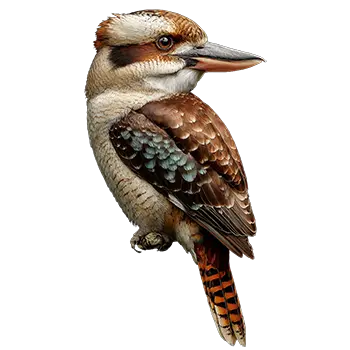
Laughing Kookaburras are obligate carnivores requiring diets consisting entirely of animal matter. In nature, they consume extraordinarily diverse prey including large insects, spiders, earthworms, crustaceans, fish, frogs, lizards, snakes, small birds, and small mammals. Their powerful bills and strong digestive systems allow them to consume prey items up to 10 inches long, including venomous snakes. Understanding this natural diet is critical for providing appropriate nutrition in captivity while preventing common health problems associated with improper feeding.
The base of captive diets should consist of whole prey items including bones, organs, and fur or feathers, as these provide balanced nutrition including appropriate calcium to phosphorus ratios. Suitable whole prey includes day-old chicks, adult mice, rat pups, quail, and various insects. The variety is important, as no single prey type provides complete nutrition. A typical weekly diet might include 3 to 4 day-old chicks, 2 to 3 adult mice, and daily large insects. Adjust quantities based on individual bird size, activity level, and body condition.
Day-old chicks are excellent staples providing balanced nutrition with appropriate bone content. Purchase from reputable suppliers producing chicks specifically for reptile and raptor feeding, ensuring humane euthanasia and proper storage. Thaw frozen chicks thoroughly before feeding, warming to room temperature or slightly above. Offer chicks whole, allowing birds to manipulate and swallow them naturally. Adult birds typically consume 2 to 3 chicks daily depending on size and energy needs.
Rodents including mice and rat pups provide good nutrition and variety. Use frozen rodents from reliable suppliers, properly thawed before feeding. Whole rodents offer excellent calcium from bones and balanced nutrition from organs. Feed adult mice or appropriately sized rat pups 2 to 3 times weekly. Monitor body condition, as rodents are higher in fat than chicks and can contribute to obesity if overfed.
Insects should be offered daily, providing behavioral enrichment through hunting small, quick-moving prey. Suitable insects include large crickets, locusts, mealworms, superworms, cockroaches, and grasshoppers. Gut-load insects 24 hours before feeding by providing them nutritious foods, enhancing their nutritional value. Dust insects lightly with calcium powder 2 to 3 times weekly. Present insects live when possible, allowing hunting behaviors, though pre-killed insects are acceptable if birds accept them.
Fish can be offered occasionally but should not dominate the diet despite the family name kingfisher. Whole small fish including heads, bones, and organs provide balanced nutrition. Suitable options include minnows, smelt, or other small fish. Avoid exclusive fish diets, as these lack diversity and may not provide ideal nutrition for primarily terrestrial hunting kookaburras. Offer fish once or twice weekly as part of varied diet.
Calcium supplementation is critical if whole prey is unavailable or diet consists primarily of muscle meat. However, feeding whole prey naturally provides appropriate calcium from bones, making additional supplementation unnecessary. Breeding females may benefit from additional calcium during egg production, provided through extra bone-in prey items. Never feed muscle meat exclusively without bones, as this causes severe metabolic bone disease.
Foods to strictly avoid include muscle meat without bones, organs, or fur/feathers, as this creates dangerous calcium-phosphorus imbalances. Processed meats, lunch meats, and cooked meats are inappropriate. Avoid dog or cat food, as these are not formulated for birds and contain inappropriate nutrients. Never feed chocolate, avocado, or other foods toxic to birds. Minimize mammalian protein from domestic sources like beef or pork, focusing instead on prey items resembling natural diet.
Feeding method is as important as diet composition. Never simply place food in bowls, as this fails to provide behavioral enrichment and may lead to obesity and boredom. Instead, hide prey items throughout the enclosure, hang them from branches, wedge them into bark crevices, or partially bury them. Force birds to search and work for meals, mimicking natural hunting. This mental stimulation is crucial for psychological health.
Water must be available at all times in clean, shallow containers. Kookaburras will bathe in water dishes, necessitating frequent changes. Some individuals drink while bathing; others prefer separate drinking sources. Monitor water intake, though moisture from prey provides significant hydration. Changes in drinking patterns can indicate health problems. Replace water at least twice daily, more frequently if soiled.
Feeding schedule should provide meals once or twice daily depending on prey size and bird energy needs. Many keepers feed in morning, allowing birds to hunt and consume throughout the day as they would naturally. Monitor body condition carefully, adjusting portions to maintain appropriate weight. Kookaburras can become obese in captivity without adequate exercise, requiring careful food management and extensive flight opportunities.