
Reproductive Biology and Breeding Readiness

Kookaburras reach sexual maturity at approximately two to four years of age, though individual readiness for successful breeding can vary based on nutrition, social conditions, and individual development. In the wild, many Kookaburras do not breed until they have established a territory and attracted a mate, a process that may take several years beyond the onset of physiological maturity. In captivity, breeding readiness is assessed through a combination of age, physical condition, behavioral indicators, and veterinary evaluation.

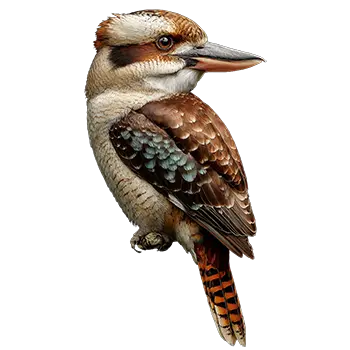
The Laughing Kookaburra's reproductive biology is notable for its cooperative breeding system, one of the most thoroughly studied examples in avian ecology. In wild populations, breeding pairs are often assisted by one to five helper birds, typically offspring from previous seasons, who contribute to incubation, chick feeding, and territory defense. This cooperative structure is rarely replicable in captivity, which places the full burden of incubation and chick-rearing on the breeding pair and requires caregivers to be prepared to intervene with supplemental feeding or fostering if the pair proves inadequate.

Before pairing birds for breeding, a thorough veterinary examination of both potential parents is essential. Screening should include blood work to assess overall health, fecal analysis for parasites, and testing for infectious diseases that could be transmitted vertically to offspring or horizontally between paired birds. Hens should be evaluated for adequate calcium reserves and reproductive tract health. Birds that are underweight, overweight, or have active health conditions should not be bred until these issues are resolved.

Genetic considerations are important for captive breeding programs. Kookaburras in aviculture represent a relatively small gene pool, and pairing closely related birds risks inbreeding depression, which manifests as reduced fertility, increased embryonic mortality, and compromised immune function in offspring. If possible, obtain breeding stock from different unrelated bloodlines and maintain breeding records that track the parentage of all birds produced.

Pair Bonding and Compatibility

Kookaburras form strong, long-term pair bonds that are essential to successful breeding. Unlike some bird species that will breed readily with any available mate, Kookaburras are selective in their partnerships, and a pair that is incompatible will not produce offspring regardless of how ideal their housing and diet may be. Understanding the process of pair formation and recognizing the signs of a successful bond helps breeders avoid wasting years on incompatible pairings.

Introductions between potential breeding partners should be conducted gradually and with careful observation. Begin by housing the birds in adjacent enclosures where they can see and hear each other without physical contact. Monitor their responses over a period of several weeks. Positive indicators include mutual calling, parallel perching along the shared barrier, and relaxed body postures in each other's presence. Aggressive responses such as lunging at the barrier, sustained alarm calling, or stress behaviors like feather plucking indicate that the pairing may not be viable.

If the initial visual introduction is positive, move to supervised physical introductions in a neutral enclosure that neither bird has established as its territory. Provide multiple perches, feeding stations, and visual barriers that allow either bird to retreat if the interaction becomes stressful. Do not leave the birds unattended during early contact sessions, as Kookaburras can inflict serious injuries with their powerful beaks during aggressive encounters. A successful physical introduction is characterized by mutual preening, food sharing, and synchronized calling.

Once a pair bond is established, the birds should be housed together in their breeding enclosure and allowed to settle into a shared routine. Pair bonds in Kookaburras typically strengthen over the first breeding season as the birds coordinate their territorial, nesting, and incubation behaviors. Some pairs do not successfully breed in their first season together and only begin producing fertile eggs in their second or third season once the bond has fully matured. Patience is essential, and premature separation of a slow-starting but otherwise compatible pair can set the breeding program back significantly.

Nesting Requirements and Egg Laying

Kookaburras are cavity nesters in the wild, excavating nest hollows in termite mounds, using natural tree hollows, or occasionally occupying abandoned nest holes created by other species. In captivity, replicating this cavity-nesting instinct requires providing an appropriately designed nest box that meets the species' spatial, thermal, and security requirements.

The recommended nest box dimensions for Laughing Kookaburras are approximately 12 inches square by 18 to 24 inches deep, with an entrance hole diameter of roughly four to five inches. The box should be constructed from untreated hardwood or marine plywood and mounted at the highest practical point in the aviary, as Kookaburras strongly prefer elevated nest sites. The interior floor should be lined with a layer of wood shavings or decomposed hardwood mulch that provides cushioning for eggs and insulation for developing embryos.

The breeding season for Kookaburras in their native Australian range runs from September through January, corresponding to the Southern Hemisphere spring and summer. Captive birds in the Northern Hemisphere may shift their breeding cycle to align with local seasonal cues, though photoperiod manipulation can influence timing. Increasing day length and the availability of abundant, high-quality food are the primary environmental triggers that stimulate breeding condition.

A typical Kookaburra clutch consists of two to four white, rounded eggs laid at intervals of approximately two days. Incubation is shared between the male and female, with wild birds also receiving assistance from helpers. The incubation period is approximately 24 to 26 days, during which the nest should be disturbed as little as possible. Candling eggs to assess fertility and embryonic development is permissible but should be done quickly and infrequently to minimize disruption. Infertile eggs should be left in the nest until the hen abandons them naturally unless the clutch is fully infertile, in which case they can be removed to allow the pair to potentially recycle and lay again.

Egg binding, where a hen is unable to pass a fully formed egg, is a life-threatening emergency that can occur in any breeding hen but is more common in birds with inadequate calcium reserves, first-time layers, or obese hens. Signs include straining, lethargy, fluffed plumage, and a wide-legged stance. Egg binding requires immediate veterinary intervention and may necessitate medical or surgical egg removal. Ensuring the hen's calcium and vitamin D3 status is optimal before the breeding season is the most effective preventive measure.

Incubation Management and Hatching

Successful incubation of Kookaburra eggs requires consistent temperature and humidity, minimal disturbance, and a breeding pair that is committed to the process. In most cases, allowing the parents to incubate naturally produces the best outcomes, as parental incubation provides optimal temperature regulation, egg turning, and the antimicrobial properties of the brood patch. Artificial incubation should be reserved for situations where the parents abandon or damage eggs, or where the eggs are at risk due to environmental factors.

If natural incubation is proceeding normally, the caregiver's role is primarily observational. Note which parent is incubating at different times of day, ensure the pair has continuous access to food and fresh water without needing to leave the nest for extended periods, and monitor the aviary for any disturbances that might cause nest abandonment. Predator activity near the aviary, construction noise, or the introduction of unfamiliar animals to the vicinity can all trigger abandonment in nervous pairs.

For artificial incubation, eggs should be placed in a forced-air incubator set to 99.0 to 99.5 degrees Fahrenheit with a relative humidity of 45 to 50 percent. Eggs should be turned at least three to five times daily, or an automatic turning mechanism should be employed. Weigh the eggs at the beginning of incubation and track weight loss, which should average approximately 15 to 16 percent of initial egg weight by the time of hatching. Excessive weight loss indicates humidity is too low; insufficient weight loss indicates humidity is too high.

As hatching approaches, typically around day 22 to 24 of incubation, move the eggs to a hatching tray or separate hatcher with slightly higher humidity, around 60 to 65 percent, to prevent the membranes from drying and trapping the chick. The hatching process in Kookaburras can take 24 to 48 hours from the first pip to full emergence. Resist the temptation to assist unless the chick has made no progress for more than 12 hours after externally pipping, as premature intervention risks hemorrhage from incompletely absorbed blood vessels in the membrane.

Chick Rearing and Parental Support

Once Kookaburra chicks have hatched, the rearing phase demands vigilance from caregivers regardless of whether the chicks are parent-raised or hand-raised. In a parent-rearing scenario, the adults take on the feeding and brooding responsibilities, but the caregiver must ensure the parents have the resources and environment they need to perform these duties effectively. In the wild, helper birds share the workload of chick rearing; in captivity, the pair must manage alone unless the breeder has maintained a cooperative group.

Increase the breeding pair's food supply significantly once chicks hatch. Adults feeding chicks require roughly double their normal food intake to meet both their own needs and the demands of their growing offspring. Provide an abundance of appropriately sized prey items, emphasizing soft-bodied insects and small whole prey that the adults can macerate for very young chicks. Monitor the adults' body condition during the rearing period, as breeding birds that are depleting their own reserves to feed their chicks may need supplemental feeding.

If parent rearing fails or the chicks are at risk, hand-rearing protocols for newborn Kookaburras should be implemented immediately. The transition from parent care to hand care is stressful for very young chicks and should be accomplished as quickly and smoothly as possible. Have a prewarmed brooder, feeding supplies, and an insectivore hand-rearing formula ready before pulling chicks from the nest. Detailed hand-rearing guidance for the newborn stage is covered in the newborn care page of this series.

Monitor sibling dynamics carefully in multi-chick broods. Kookaburras exhibit siblicide in the wild, where the oldest and largest chick may attack and kill younger, smaller siblings. This behavior is driven by the asynchronous hatching that results from incubation beginning with the first egg, giving earlier-hatched chicks a significant size advantage. In captivity, caregivers can mitigate siblicide risk by monitoring chick weights and condition closely, supplementing the diet of smaller chicks, and in extreme cases, fostering younger chicks to separate rearing if aggression becomes life-threatening.

The fledging of captive-bred Kookaburra chicks requires the same preparation described in the juvenile care section of this series. Ensure the aviary is safe for clumsy fledglings, provide multiple perch options at accessible heights, and be prepared for the increased food demands that come with the energy expenditure of learning to fly. The breeding pair will typically continue feeding fledged young for several weeks after they leave the nest, gradually reducing support as the juveniles develop independent feeding skills.

Post-Breeding Recovery and Pair Management

The breeding season places substantial physiological demands on both members of a Kookaburra breeding pair, and proper post-breeding management is essential for their long-term health and future reproductive success. The hen, in particular, has expended significant calcium and energy reserves during egg production and incubation, and she needs a dedicated recovery period before the next breeding attempt.

After the chicks have fledged and are feeding independently, or after the conclusion of an unsuccessful breeding attempt, focus on restoring the pair's physical condition. Ensure the diet is rich in calcium and high-quality protein to replenish the hen's depleted reserves. Continue or increase vitamin D3 supplementation to support calcium absorption. The cock bird also benefits from dietary enrichment during this period, as territorial defense, incubation duties, and chick feeding all take a physical toll.

Remove or block access to the nest box once the breeding season has concluded. Leaving the nest box in place year-round can stimulate out-of-season breeding attempts that are undesirable for the pair's health and may result in poorly timed clutches that coincide with unfavorable environmental conditions. Re-introduce the nest box approximately four to six weeks before the expected start of the next breeding season to allow the pair time to inspect and prepare the site.

Evaluate each breeding season's outcomes honestly. Not every pair will produce successfully in every season, and experienced breeders expect occasional failures. Record detailed notes on clutch size, fertility rate, hatching success, chick survival, and any complications encountered. These records are invaluable for identifying patterns, making management adjustments, and contributing data to broader Kookaburra captive breeding databases if the breeder participates in organized studbook or conservation breeding programs.

Ethical Considerations in Captive Breeding

Breeding Kookaburras in captivity carries ethical responsibilities that extend beyond the mechanics of pairing birds and producing offspring. Responsible breeding begins with an honest assessment of the breeder's capacity to house, feed, and provide veterinary care for all offspring produced, and a realistic plan for placing birds that the breeder cannot retain. The avicultural market for Kookaburras varies by region, and breeders should not produce more birds than can be responsibly placed in quality homes or facilities.

Legal requirements for keeping and breeding Kookaburras vary significantly by jurisdiction. In Australia, Kookaburras are protected native wildlife and keeping them requires appropriate state or territory permits. In other countries, regulations may fall under exotic animal or wildlife laws. Breeders must be fully compliant with all applicable local, state, and national regulations regarding the keeping, breeding, sale, and transport of Kookaburras. Ignorance of legal requirements is not a defense and can result in confiscation of birds, fines, or criminal penalties.

Conservation value should be considered when planning any captive breeding program. While Laughing Kookaburras are not currently threatened in the wild, maintaining genetically diverse captive populations is good practice and may become increasingly important if habitat loss or other factors affect wild populations in the future. Participating in organized breeding programs, maintaining accurate pedigree records, and making breeding decisions based on genetic diversity rather than purely on visual traits or convenience contributes to the long-term sustainability of captive Kookaburra populations.

The welfare of each individual bird must remain the central priority throughout the breeding process. Birds that show signs of breeding-related stress, such as excessive feather plucking, aggression toward the mate, egg destruction, or refusal to incubate, should not be forced to continue breeding. Some individual Kookaburras are simply not suited to captive breeding, and respecting this reality is an essential component of ethical aviculture. The goal is healthy birds and healthy offspring, not maximum output.

Always consult a qualified professional before making any health-related decisions. This content is provided for informational reference only and should not replace professional guidance specific to your animal.