
Peak Health Maintenance

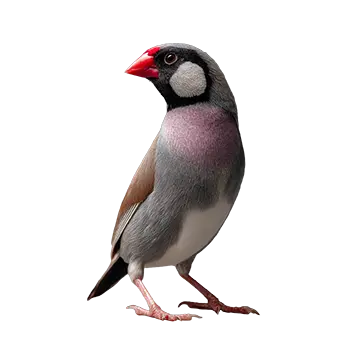
A Java Sparrow reaches full physical maturity at approximately six to nine months of age, and the adult years that follow represent the longest and most stable period of the bird's life. During these prime years, which typically span from around one year of age through six or seven years, the Java Sparrow is at its most robust, active, and resilient. Maintaining peak health during this stage is largely about consistency in care, a well-balanced diet, appropriate housing, and attentive observation to catch any deviations from normal behavior early.

Daily health checks should become a habitual part of the keeper's routine. These need not be elaborate or stressful for the bird. Simply observing the bird for a few minutes each day while refreshing food and water provides an opportunity to assess its posture, feather condition, eye clarity, breathing pattern, and activity level. A healthy adult Java Sparrow is upright and alert during waking hours, has smooth and well-preened plumage, clear and bright eyes without discharge, and breathes quietly without visible effort or tail bobbing.

Annual or biannual wellness checks with an avian veterinarian are recommended even for apparently healthy birds. These visits allow for professional evaluation of body condition, beak and nail health, and potential subclinical issues that may not be apparent to even an experienced keeper. A baseline blood panel and fecal examination can detect internal parasites, bacterial infections, or organ function changes before they progress to a point where the bird shows outward symptoms.

Preventing illness is always preferable to treating it, and good husbandry practices are the first line of defense. Maintaining a clean cage, providing fresh food and water daily, minimizing exposure to household toxins such as non-stick cookware fumes, aerosol sprays, and scented candles, and ensuring adequate ventilation without drafts collectively create an environment that supports long-term health and vitality.

Nutrition at Maturity

The dietary needs of an adult Java Sparrow are less demanding than during the rapid growth of the juvenile period but no less important for sustaining health and longevity. A high-quality finch seed mix remains the dietary staple, with paddy rice being a particularly favored and nutritionally appropriate component for this species. The seed mix should be fresh and free of dust, mold, or insect contamination. Offering seeds in a clean dish and removing empty hulls daily ensures the bird always has access to viable food rather than a dish full of discarded shells.

Fresh foods should be offered regularly to complement the seed diet and provide vitamins, minerals, and phytonutrients that seeds alone cannot supply. Dark leafy greens, small pieces of carrot, broccoli florets, and occasional fruit such as apple or berries are all appropriate offerings. Some individual Java Sparrows are more receptive to fresh foods than others, and patience with repeated introductions is often necessary. Presenting fresh foods in different forms, such as clipped to the cage bars, finely chopped and mixed with egg food, or offered in a separate foraging dish, can help encourage acceptance.

Obesity is a genuine concern in adult Java Sparrows, particularly those housed in smaller cages with limited opportunity for flight and exercise. These are stocky, seed-loving birds by nature, and they will readily overconsume calorie-dense seeds if given unlimited access. Monitoring body condition by observing the prominence of the keel bone and the overall silhouette of the bird helps keep weight in check. If a bird is becoming visibly round or heavy, reducing the proportion of high-fat seeds such as sunflower and increasing access to greens and sprouted seeds can help correct the imbalance.

Calcium and mineral supplementation should continue throughout the adult years. Cuttlebone and mineral blocks serve the dual purpose of providing essential minerals and helping to maintain beak condition through natural wear. Fresh, clean drinking water should always be available, and some keepers supplement the water with avian-specific vitamins on a rotating schedule to address potential micronutrient gaps in the diet.

Exercise & Enrichment

Flight is the most natural and beneficial form of exercise for an adult Java Sparrow, and housing that allows for sustained flight is one of the most important investments a keeper can make in their bird's long-term health. A spacious flight cage or aviary where the bird can fly back and forth freely supports cardiovascular fitness, maintains healthy muscle tone, and helps prevent the obesity that can shorten lifespan and reduce quality of life. Even a few minutes of out-of-cage flight time in a bird-safe room can significantly benefit a Java Sparrow that is housed in a smaller cage.

Environmental enrichment goes beyond physical exercise and addresses the mental health and behavioral needs of these intelligent, social birds. Foraging opportunities are among the most effective forms of enrichment for finches. Rather than simply filling a dish with seeds, keepers can scatter seeds on a tray of clean substrate, hide them in crumpled paper, or use commercially available foraging toys designed for small birds. This encourages the natural foraging behaviors that would occupy a significant portion of the bird's day in the wild.

Social enrichment is equally important for Java Sparrows, which are gregarious flock birds by nature. An adult Java Sparrow housed alone may become lethargic, overly bonded to its human caretaker, or develop repetitive behaviors that indicate boredom or stress. Whenever possible, Java Sparrows should be kept in pairs or small groups to allow for natural social interaction, mutual preening, and the quiet conversational vocalizations that characterize a content flock.

The cage environment itself should be varied and interesting. Multiple perch types, including natural branches of different diameters and textures, provide foot exercise and prevent the pressure sores that can develop from standing on uniform surfaces. Swings, ropes, and small ladders offer additional movement opportunities. Rotating these items periodically keeps the environment fresh and engaging. A bathing dish should be provided daily or several times per week, as Java Sparrows are avid bathers and bathing supports feather health and provides stimulation.

Preventive Health Care

Preventive health care for the adult Java Sparrow centers on minimizing exposure to disease, maintaining optimal environmental conditions, and intervening promptly when early warning signs appear. Quarantine protocols are essential whenever a new bird is introduced to an existing collection. Any new arrival should be housed separately for a minimum of 30 days, ideally in a different room, to allow observation for signs of illness before it has the opportunity to spread to established birds. A veterinary examination of new birds during the quarantine period adds an additional layer of security.

Parasite prevention and management are ongoing concerns, particularly for birds housed in outdoor aviaries or in close proximity to wild bird populations. Regular fecal screening, at least once or twice per year, helps detect internal parasites before they cause clinical disease. External parasites such as air sac mites and red mites can be more difficult to detect, as some species are nocturnal and not visible on the bird during the day. Inspecting the cage and perches at night with a flashlight and maintaining vigilance for symptoms such as restlessness, excessive scratching, or respiratory changes helps catch these problems early.

Environmental hygiene is a cornerstone of preventive care. Food and water dishes should be thoroughly cleaned daily, and the cage substrate should be replaced on a regular schedule. Periodic deep cleaning of the entire cage, including disinfection of perches, bars, and accessories with a bird-safe disinfectant, reduces the bacterial and fungal load in the bird's immediate environment. Good ventilation is important for respiratory health, but drafts should be avoided, and the cage should never be placed in a kitchen where cooking fumes and non-stick coating off-gassing can pose serious toxic risks.

Vaccination is not a standard part of avian care for Java Sparrows in most regions, but keepers should be aware of any region-specific disease risks, such as avian influenza or Newcastle disease, that may affect their area. Staying informed about disease outbreaks through local aviculture groups and veterinary advisories helps keepers take appropriate precautions to protect their birds.

Behavioral Maturity

By the time a Java Sparrow reaches full adulthood, its personality and behavioral patterns are well established. Adult Java Sparrows are characteristically calm, steady, and sociable birds that thrive in a predictable routine. They tend to be less flighty and more settled than some other finch species, which makes them particularly pleasant aviary and cage companions. However, they can be assertive toward smaller finch species and should be housed with birds of similar size and temperament to prevent bullying.

Pair bonding is a central feature of adult Java Sparrow behavior. These birds form strong pair bonds that can last for many years, and bonded pairs spend a great deal of time sitting close together, engaging in mutual preening, and performing soft vocal exchanges. Bonded pairs are generally happier and more stable than single birds, and providing a compatible companion is one of the most effective ways to ensure the emotional wellbeing of an adult Java Sparrow. Determining compatibility sometimes requires patience, as not all introductions result in an immediate bond.

Territorial behavior may become apparent in adult males, particularly during breeding season or when housed in close quarters with other males. This can manifest as chasing, beak fencing, or vocalizing aggressively toward rivals. While these behaviors are generally normal and rarely result in serious injury, keepers should monitor interactions and be prepared to separate birds if aggression escalates or if any individual is being persistently harassed or prevented from accessing food and water.

Adult Java Sparrows that have been well socialized during their juvenile period typically maintain their comfort with human interaction, though they may never be as physically affectionate as a parrot or cockatiel. They often learn to step onto a finger or hand, accept treats from their keeper, and tolerate gentle handling without panic. Maintaining this tameness requires regular, gentle interaction, as birds that go long periods without handling may revert to a more wary disposition.

Feather Care & Molting

Adult Java Sparrows undergo a complete molt once per year, typically triggered by changes in daylight length as the seasons shift. This annual molt replaces all of the bird's feathers over a period of several weeks and is a natural and necessary process that ensures the plumage remains in optimal condition for insulation, waterproofing, and flight. During the molt, the bird's nutritional demands increase significantly, and the diet should be supplemented with additional protein through egg food and possibly a molt-specific supplement to support healthy feather regeneration.

Outside of the annual molt, daily feather maintenance is the bird's own responsibility, and a healthy adult Java Sparrow spends a considerable portion of its day preening. Preening involves running each feather through the beak to realign the barbs, distributing natural oils from the preen gland at the base of the tail, and removing loose feathers and debris. A bird that stops preening or whose feathers appear consistently ruffled, dull, or unkempt may be ill and should be evaluated for underlying health issues.

Bathing plays an important role in feather maintenance and should be encouraged throughout the adult years. A shallow dish of clean, lukewarm water provided several times per week allows the bird to bathe at its leisure. Some Java Sparrows bathe enthusiastically and frequently, while others are more occasional bathers. The bird's preference should be respected, but ensuring the opportunity is always available is important. After bathing, the bird should be able to dry in a warm, draft-free area.

Feather problems such as plucking, barbering, or persistent feather loss outside of normal molt are uncommon in Java Sparrows compared to parrots but can occur. These issues may be related to nutritional deficiencies, parasites, skin infections, hormonal imbalances, or environmental stress. If feather abnormalities are observed, a thorough veterinary workup is recommended to identify and address the underlying cause rather than simply treating the symptom.

Always consult a qualified professional before making any health-related decisions. This content is provided for informational reference only and should not replace professional guidance specific to your animal.