
When Does Senior Begin?

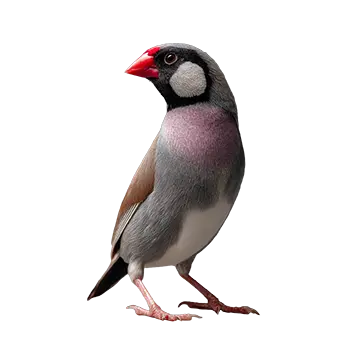
Java Sparrows are considered to have entered their senior years at approximately seven to eight years of age, though the onset of aging varies among individuals depending on genetics, diet, and overall quality of care throughout their lives. In captivity, well-maintained Java Sparrows can live to be ten to twelve years old, and exceptional individuals have been reported to reach even greater ages. The transition into the senior stage is typically gradual rather than sudden, with subtle changes in activity level, feather quality, and overall demeanor accumulating over months rather than appearing abruptly.

One of the earliest indicators that a Java Sparrow is entering its senior years is a slight decrease in overall activity. While the bird may still be alert and engaged with its environment, it may spend more time resting on a favored perch and less time flying or exploring than it did during its prime years. This reduced activity level is a normal part of aging and does not necessarily indicate illness, but it does signal that the keeper should begin paying closer attention to other aspects of the bird's health and comfort.

Physical changes that may accompany aging include a gradual dulling of beak color, slight changes in feather texture or luster, and the development of small imperfections in plumage that were not present during the bird's prime years. The feet and legs may develop a slightly rougher or drier appearance, and nail growth patterns may change, sometimes requiring more frequent trimming. These changes are cosmetic and do not affect the bird's health, but they serve as visible reminders that the bird's body is aging and that care adjustments may be warranted.

Keepers should avoid the temptation to dismiss all changes in an aging bird as simply a consequence of getting older. While many changes are indeed benign and age-related, they can also mask underlying health issues that are more common in older birds. Maintaining regular veterinary check-ups and being alert to any changes that seem sudden, dramatic, or accompanied by other symptoms is essential for ensuring that treatable conditions are not overlooked.

Mobility & Comfort

As Java Sparrows age, their mobility may be affected by stiffness in the joints, reduced muscle mass, and the general decline in physical fitness that accompanies aging. While these birds are not typically prone to the severe arthritis seen in some larger parrot species, older Java Sparrows may show a preference for lower perches, reduced willingness to fly long distances within their enclosure, and slightly less nimble footwork when navigating between perches and food dishes.

Adjusting the cage setup to accommodate an aging bird's reduced mobility can significantly improve its comfort and quality of life. Lowering perches so the bird does not need to climb or fly as far to reach its resting spots, positioning food and water dishes at perch level rather than on the cage floor, and ensuring that all perches are stable and do not wobble or spin helps prevent falls and reduces the physical effort required for daily activities. Wider, flat-topped perches can be more comfortable for older feet than narrow round dowels.

The ambient temperature of the room becomes more important as the bird ages, since older Java Sparrows may be less efficient at thermoregulation than younger birds. Keeping the room slightly warmer and ensuring the cage is positioned away from drafts, air conditioning vents, and exterior walls that may radiate cold during winter months helps maintain the bird's comfort. Some keepers provide a ceramic heat panel on one side of the cage that the bird can move toward or away from as needed.

Soft, padded perch wraps made from veterinary wrap or cotton rope can provide additional cushioning for the feet of an older bird that spends long periods on the same perch. Monitoring the soles of the feet for signs of pododermatitis, commonly known as bumblefoot, becomes increasingly important in senior birds, as reduced mobility means more sustained pressure on the same contact points. Any redness, swelling, or sores on the feet should be evaluated by a veterinarian promptly.

Cognitive & Behavioral Changes

Cognitive changes in aging Java Sparrows can be subtle and are less well-documented than in longer-lived parrot species, but attentive keepers may notice shifts in the bird's behavior and responsiveness as it enters its senior years. An older Java Sparrow may become more set in its routines, showing stronger preferences for specific perches, feeding times, and companions. The bird may also become less responsive to environmental changes that would have provoked curiosity or alarm in its younger years, suggesting a general mellowing of temperament.

Some senior Java Sparrows become more vocal, while others become quieter. Males that were enthusiastic singers during their prime years may reduce the frequency or complexity of their songs, or they may continue singing with little change well into old age. Changes in vocalization patterns can be entirely normal age-related shifts, but sudden or dramatic changes, particularly a previously vocal bird becoming completely silent, may indicate discomfort, illness, or respiratory issues that warrant investigation.

Sleep patterns may also shift in older birds. Senior Java Sparrows often require more sleep than younger adults and may begin roosting earlier in the evening and waking later in the morning. Ensuring that the bird has access to a quiet, dimly lit sleeping area with minimal disturbance during rest hours supports the additional sleep needs of an aging bird. Some keepers partially cover the cage in the evening to create a calm, dark environment conducive to rest.

The loss of a long-term companion or pair bond partner can have a profound effect on a senior Java Sparrow. These birds form strong social bonds, and the death of a bonded partner can result in depression, reduced appetite, and a noticeable withdrawal from normal activities. While some older birds will accept a new companion, others may not bond readily with an unfamiliar bird. In these cases, increased human interaction and environmental enrichment can help compensate for the loss of social companionship.

Nutrition for Aging

The nutritional needs of a senior Java Sparrow require thoughtful adjustment to account for decreased activity levels, changes in metabolism, and the increased susceptibility to certain health conditions that accompany aging. The core diet should still be based on a high-quality finch seed mix, but the proportion of high-fat seeds may need to be reduced if the bird is becoming less active and at risk of weight gain. Conversely, some older birds may begin to lose weight as their appetite decreases or their ability to efficiently hull and digest seeds diminishes, in which case calorie-dense foods and softer food options become more important.

Sprouted seeds and softened foods are particularly beneficial for senior Java Sparrows, as they are easier to eat and digest than dry, hard seeds. Soaking seeds overnight and allowing them to sprout provides a nutrient-rich food source that is gentler on an aging digestive system. Egg food, moistened and crumbled, offers concentrated protein and is usually readily accepted even by birds with diminished appetites. These softer food options can be especially helpful for birds that are experiencing beak wear or alignment issues that make hulling seeds more difficult.

Calcium supplementation remains critical in the senior years, as aging birds are susceptible to bone density loss and may develop brittle bones or joint problems if calcium intake is insufficient. Cuttlebone should always be available, and some keepers add a liquid calcium supplement to the drinking water on a veterinarian-recommended schedule. Vitamin D, which is essential for calcium absorption, can be supported through appropriate exposure to natural or full-spectrum artificial lighting.

Hydration is another area of concern for older birds. Senior Java Sparrows may drink less water than younger adults, which can contribute to kidney stress and dehydration. Ensuring that water is always fresh, clean, and easily accessible is essential. Some keepers find that offering water in multiple locations within the cage encourages more frequent drinking. Monitoring droppings for signs of dehydration, such as decreased urate volume or excessively concentrated urine, provides an early warning of inadequate fluid intake.

Increased Veterinary Care

As Java Sparrows enter their senior years, the frequency and thoroughness of veterinary care should increase to match the elevated risk of age-related health conditions. Biannual wellness examinations are recommended for senior birds, as opposed to the annual visits that may suffice during the prime adult years. These visits should include a thorough physical examination, assessment of body condition and weight, evaluation of beak and nail health, and discussion of any behavioral changes the keeper has observed at home.

Diagnostic testing becomes more valuable in older birds, as subclinical diseases are more common and can progress quickly if not caught early. A complete blood panel can reveal changes in liver, kidney, and thyroid function that are common in aging birds. Fecal analysis screens for parasites and bacterial overgrowth that an older bird's immune system may be less equipped to handle. Some avian veterinarians may also recommend periodic radiographs to monitor for internal tumors, organ enlargement, or bone density changes.

Common health conditions in senior Java Sparrows include fatty liver disease, which is associated with a high-fat seed diet and insufficient exercise, and tumors, which can be internal or external and may present as lumps, swellings, or unexplained weight changes. Kidney disease is another age-related concern that may manifest as increased thirst, changes in droppings, or general malaise. Early detection of these conditions through routine screening significantly improves the chances of successful management, even if a complete cure is not always possible.

Keepers should also be aware that older birds may respond differently to medications and treatments than younger individuals. Dosing adjustments may be necessary, and some medications that are well tolerated by younger birds may cause adverse effects in senior patients. Working closely with an avian veterinarian who is familiar with the individual bird's health history ensures that treatment plans are tailored to the specific needs and limitations of the aging patient.

Quality of Life Assessment

Assessing quality of life in a senior Java Sparrow is an ongoing process that requires honest evaluation of the bird's daily experience rather than simply monitoring for the absence of acute illness. A bird that is eating, drinking, perching, preening, and engaging with its environment and companions is generally experiencing an acceptable quality of life, even if it is less active or vibrant than it was in its youth. The goal of senior care is not to reverse the aging process but to ensure that the bird's remaining years are as comfortable, enriching, and free of suffering as possible.

Several factors contribute to a positive quality of life assessment for an aging Java Sparrow. The bird should be able to access food and water without excessive effort or difficulty. It should be able to rest comfortably on perches that accommodate its changing physical needs. It should have opportunities for social interaction, whether with a companion bird or a attentive human keeper. And it should be free from chronic pain, persistent nausea, or respiratory distress that significantly diminishes its daily experience.

Keepers may find it helpful to maintain a simple log or checklist that tracks key quality of life indicators over time. Noting the bird's appetite, activity level, social engagement, sleeping patterns, and any observable signs of discomfort on a weekly or biweekly basis creates a record that can reveal gradual trends that might otherwise go unnoticed in the day-to-day routine of care. This record can also be invaluable during veterinary visits, providing the vet with a clear picture of how the bird is doing at home.

When quality of life begins to decline despite appropriate veterinary care and environmental adjustments, the keeper faces difficult decisions about end-of-life care. These decisions are deeply personal and should be made in consultation with a trusted avian veterinarian who can provide an objective assessment of the bird's condition and prognosis. The end-of-life section of this guide addresses these considerations in greater detail.

Always consult a qualified professional before making any health-related decisions. This content is provided for informational reference only and should not replace professional guidance specific to your animal.