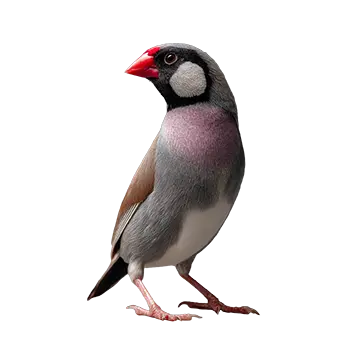

Recognizing when a Java Sparrow is approaching the end of its life requires careful observation and an honest assessment of the bird's overall condition over time rather than relying on any single symptom. Birds are prey animals by nature and are instinctively driven to conceal signs of illness and weakness for as long as possible. By the time a Java Sparrow is visibly unwell, the underlying condition may be quite advanced. This makes familiarity with the individual bird's normal behavior, activity patterns, and physical appearance essential for detecting the subtle early changes that signal declining health.
Common signs that a Java Sparrow may be entering the final stage of its life include a progressive and sustained loss of appetite, steady weight loss that does not respond to dietary adjustments, increasing periods of lethargy and sleep, and a noticeable withdrawal from social interaction with cage mates or human companions. The bird may spend most of its time sitting fluffed on a low perch with its feathers puffed out, its eyes partially closed, and its head tucked into its back feathers, a posture that indicates the bird is cold, uncomfortable, or conserving energy.
Physical signs may include labored or open-mouthed breathing, a visible tail bob with each breath, discharge from the eyes or nares, persistent diarrhea or a cessation of droppings altogether, and an inability to perch or maintain balance. The beak and feet may appear pale or discolored compared to their normal vibrant hue. In some cases, the bird may experience sudden episodes of weakness or disorientation, falling from its perch or being unable to right itself after landing on the cage floor.
It is important to distinguish between a temporary illness that may respond to treatment and the irreversible decline associated with end of life. A veterinary consultation is invaluable at this stage, as a qualified avian vet can assess the bird's condition, identify any treatable conditions, and provide a realistic prognosis that helps the keeper make informed decisions about the next steps in the bird's care.