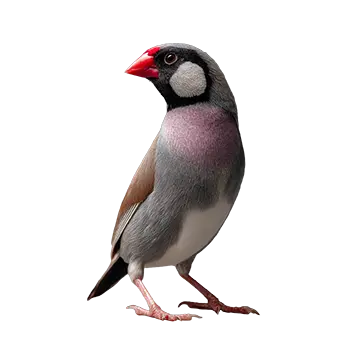

Breeding Readiness

Java Sparrows reach sexual maturity at approximately six to nine months of age, though responsible breeders generally wait until the birds are at least one year old before allowing them to breed. This waiting period ensures that the birds are fully physically mature, have completed their first adult molt, and have had time to establish a strong pair bond with their intended mate. Breeding birds that are too young can result in poor parenting behavior, infertile eggs, and unnecessary stress on physically immature bodies.

Assessing breeding readiness involves evaluating both the physical condition and behavioral cues of the prospective breeding pair. Both birds should be at a healthy weight, have bright and well-maintained plumage, clear eyes, and show no signs of illness or nutritional deficiency. The male should be actively singing and displaying courtship behaviors such as hopping toward the female while puffing out his feathers and bobbing his head. The female, when receptive, will respond with a crouching posture and solicitation calls.

Before initiating a breeding attempt, the pair's diet should be enriched for several weeks with additional protein from egg food, sprouted seeds, and leafy greens to bring them into optimal breeding condition. Calcium supplementation is especially important for the female, as egg production places enormous demands on her calcium reserves. A cuttlebone should be constantly available, and some breeders also provide a small dish of crushed oyster shell or a liquid calcium supplement during the pre-breeding conditioning period.

The breeding environment should be set up before the birds are brought into condition. A suitable nest box, typically a wooden enclosed box with a circular entry hole, should be securely attached high in the cage. Nesting material such as dried grass, coconut fiber, and shredded paper should be provided in abundance, as Java Sparrows are enthusiastic nest builders and the activity of constructing a nest together is an important part of the pair bonding and breeding preparation process.

Courtship & Pair Bonding

The courtship behavior of Java Sparrows is one of the most charming aspects of keeping these birds. The male initiates courtship by singing his full song repertoire while performing a distinctive display that involves holding a piece of nesting material or a feather in his beak, puffing out his body feathers, and hopping rhythmically along a perch toward the female. This display may be repeated numerous times throughout the day during the early stages of courtship. The quality and persistence of the male's song and display appear to play an important role in the female's assessment of his suitability as a mate.

Pair bonding in Java Sparrows is a gradual process that may take days or weeks to fully establish. During this period, the birds spend increasing amounts of time in close physical proximity, sitting side by side on a perch and engaging in mutual preening sessions where each bird gently runs the other's head and neck feathers through its beak. These allopreening sessions strengthen the pair bond and are a reliable indicator that the relationship is progressing positively. A pair that has bonded successfully will typically roost together at night, often pressed closely against each other.

Not all pairings are successful, and compatibility should never be assumed simply because two birds of opposite sexes are placed together. Some individuals may show indifference or even aggression toward a prospective mate, and forcing an incompatible pairing is stressful for both birds and unlikely to produce successful breeding results. If a pair shows no signs of bonding after several weeks, or if either bird displays persistent aggression toward the other, the pairing should be reconsidered and alternative mates tried.

Once a strong pair bond is established, the birds will begin cooperatively building a nest within the provided nest box. Both the male and female participate in carrying nesting material into the box and arranging it into a dome-shaped structure with a small entry tunnel. The intensity of nest-building activity typically increases as the female approaches egg-laying readiness, and the pair may become more territorial about the area surrounding the nest box during this time.

Egg Laying & Incubation

A female Java Sparrow typically lays a clutch of four to six eggs, depositing one egg per day until the clutch is complete. The eggs are small, white, and smooth-shelled. Incubation usually begins after the third or fourth egg is laid, which helps synchronize hatching so that all chicks emerge within a day or two of each other. Both parents share incubation duties, with the female generally sitting on the eggs during the night and the pair alternating during the day. The total incubation period is approximately 14 to 16 days from the onset of steady incubation.

During the incubation period, the breeding pair should be disturbed as little as possible. Cage cleaning should be limited to essential maintenance, and the area around the nest box should not be unnecessarily manipulated. Some keepers briefly inspect the nest box when both parents are away to confirm the number of eggs and check for any that may have been broken or pushed out, but this should be done quickly and infrequently. Excessive nest inspection can cause the parents to abandon the clutch.

Egg candling, the practice of holding an egg up to a bright light source to check for embryonic development, can be performed around day seven to ten of incubation to determine fertility. Fertile eggs will show a network of blood vessels and a dark mass indicating the developing embryo, while infertile eggs remain clear or show only a faint yolk shadow. Removing infertile eggs from the clutch allows the parents to concentrate their incubation efforts on the viable eggs, though some breeders prefer to leave them in place until hatching to maintain clutch stability.

Humidity levels in the room become particularly important during incubation, as excessively dry air can cause the egg membranes to toughen and make hatching more difficult for the developing chicks. A moderate humidity of approximately 50 to 60 percent supports normal embryonic development and facilitates successful hatching. In arid environments or during winter months when indoor heating dries the air, a room humidifier can be beneficial.

Hatching & Early Chick Care

Hatching typically occurs 14 to 16 days after the onset of incubation, and the process can take anywhere from a few hours to a full day for each chick. The chick uses an egg tooth, a small calcified protrusion on the tip of the upper beak, to pip through the shell from the inside. Parent birds may assist by removing shell fragments, but much of the work is done by the chick itself. It is important not to intervene in the hatching process unless a chick has been actively pipping for more than 24 hours without making progress, and even then, assistance should ideally be guided by an experienced breeder or veterinarian.

Newly hatched Java Sparrow chicks are altricial, meaning they are born blind, nearly featherless, and completely dependent on their parents for warmth and food. The parent birds begin feeding the chicks within hours of hatching, regurgitating partially digested food directly into the gaping mouths of the nestlings. The chicks' mouths feature distinctive internal markings, including bright papillae at the beak commissures, which serve as visual targets that guide the parents during feeding in the dim interior of the nest box.

During the first week of the chicks' lives, the parents maintain nearly constant brooding to keep the nestlings warm. The keeper's role during this period is primarily supportive, ensuring that the parent birds have abundant access to high-quality food, clean water, and calcium supplementation so they can adequately nourish both themselves and their growing brood. Egg food, sprouted seeds, and finely chopped greens should be refreshed multiple times daily, as feeding parents consume significantly more food than non-breeding adults.

Monitoring the chicks' development from a respectful distance is important for identifying any problems early. A brief visual check of the nest box once daily, timed when the parents are away eating, is generally sufficient. Healthy chicks should have visibly full crops, warm skin, and should respond to vibration or proximity by gaping for food. If any chick appears cold, is consistently unfed while its siblings are thriving, or shows signs of illness, intervention may be necessary as described in the newborn care section of this guide.

Weaning & Fledging

Java Sparrow chicks typically fledge the nest at approximately three to four weeks of age, though the exact timing varies by individual and clutch. The transition from nest-bound chick to free-flying fledgling is one of the most exciting and anxious periods for breeders. The first flights are typically short, uncoordinated, and occasionally crash-landings, and the cage should be prepared in advance to minimize hazards. Removing sharp objects, covering open water dishes that could pose a drowning risk, and providing soft landing areas such as low perches and padded cage bottoms helps protect newly fledged chicks during this clumsy transitional period.

After leaving the nest, the fledglings continue to receive food from their parents for an additional two to three weeks while they gradually learn to eat independently. During this weaning period, easy-to-access food should be scattered on the cage floor and in shallow dishes near the fledglings' preferred perching spots. Softened seeds, sprouted seeds, and crumbled egg food are particularly appropriate weaning foods, as they require less effort to consume than dry, hard seeds that the young birds are still learning to hull.

The weaning process should not be rushed. Premature separation from the parents before the chicks are fully capable of feeding themselves is one of the most common causes of chick mortality in finch breeding. A reliable indicator of readiness for independence is consistent, unassisted seed consumption over several days, combined with the cessation of begging behavior directed at the parents. Once the young birds are eating confidently on their own, they can be separated from the breeding pair and housed independently or with other juveniles.

After the chicks have been weaned and removed, the breeding pair should be given a rest period before being allowed to breed again. Continuous breeding without breaks is physically exhausting and can lead to nutritional depletion, weakened immune function, and decreased fertility over time. Most responsible breeders limit their Java Sparrows to two or at most three clutches per year, with rest periods of at least two months between breeding attempts during which the nest box is removed to discourage further egg laying.

Responsible Breeding Ethics

Breeding Java Sparrows carries ethical responsibilities that extend beyond simply producing healthy chicks. The Java Sparrow is classified as vulnerable in its native range across Indonesia and parts of Southeast Asia, where wild populations have declined significantly due to habitat loss and capture for the pet trade. Captive breeding programs, when conducted responsibly, can help maintain genetic diversity and reduce pressure on wild populations, but irresponsible breeding that floods the market with poorly socialized or genetically compromised birds does more harm than good.

Genetic diversity should be a primary consideration for any breeding program. Breeding closely related birds increases the risk of inbreeding depression, which can manifest as reduced fertility, weakened immune function, smaller body size, and increased susceptibility to developmental abnormalities. Maintaining accurate records of lineage and seeking unrelated breeding stock from other reputable breeders helps preserve the genetic health of captive Java Sparrow populations. Color mutation breeding, while popular, should be approached with awareness of the genetic bottlenecks that some mutations carry.

Before breeding, prospective breeders should have a clear plan for the offspring. Java Sparrows can produce multiple clutches per year with several chicks per clutch, and the numbers add up quickly. Ensuring that there are suitable homes or adequate personal housing for all potential offspring is an essential part of responsible breeding. Producing birds without a plan for their placement contributes to overpopulation in captivity and may result in birds being neglected, abandoned, or housed in inadequate conditions.

The welfare of the breeding adults must also be prioritized. Breeding is physically demanding, particularly for the female, and birds should only be bred when they are in excellent health and condition. Overbreeding, inadequate nutrition during the breeding season, and failure to provide rest periods between clutches are welfare concerns that responsible breeders actively guard against. The health and happiness of the parent birds should never be sacrificed in pursuit of producing more offspring.

Always consult a qualified professional before making any health-related decisions. This content is provided for informational reference only and should not replace professional guidance specific to your animal.