
Peak Health Maintenance

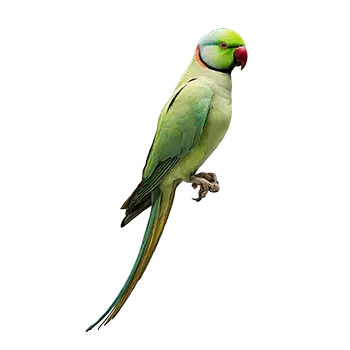
An Indian Ringneck Parakeet reaches full physical maturity between two and three years of age, and its prime adult years extend through approximately 15 to 18 years of age depending on genetics, diet, and overall care. During this long stretch of life, the bird should be at its most vibrant — fully feathered with rich coloration, physically active, vocally engaged, and behaviorally settled compared to the turbulent adolescent period. Maintaining this peak condition requires consistent, attentive husbandry rather than reactive care.

Annual wellness examinations with a qualified avian veterinarian are the cornerstone of preventive health during the adult years. Unlike many mammals, parrots are masters at concealing illness, an evolutionary adaptation that protects them from predators in the wild but makes early detection of health problems extremely difficult for their human caregivers. A thorough annual exam typically includes a physical assessment, weight check, bloodwork including a complete blood count and biochemistry panel, and possibly a gram stain of the crop or cloaca to screen for bacterial or fungal imbalances.

At home, daily observation is your most valuable diagnostic tool. Become intimately familiar with your bird's normal behavior, activity level, appetite, vocalizations, and droppings. Any change from the established baseline — eating less, sleeping more, vocalizing less, fluffing up, or changes in droppings — can be an early indicator of a problem. Weigh the bird weekly on a gram scale and keep a log. A weight change of more than ten percent warrants a veterinary consultation.

Common health concerns in adult Indian Ringnecks include psittacosis, polyomavirus, Proventricular Dilatation Disease, aspergillosis, and fatty liver disease. Many of these conditions can be managed or prevented with proper diet, a clean living environment, good air quality, and regular veterinary oversight. Maintaining excellent air quality is particularly important — avoid using nonstick cookware, scented candles, air fresheners, aerosol sprays, and tobacco smoke anywhere in the home.

Nutrition at Maturity

A well-balanced diet is the single most influential factor in determining the long-term health and longevity of an adult Indian Ringneck Parakeet. The dietary foundation should be a high-quality pelleted food formulated for parakeets or small parrots, which provides a balanced blend of vitamins, minerals, amino acids, and macronutrients that cannot be reliably obtained from seeds alone. Pellets should comprise roughly 60 to 70 percent of the total diet.

Fresh vegetables should make up approximately 20 to 30 percent of the daily diet and should be offered in variety. Dark leafy greens such as kale, Swiss chard, dandelion greens, and spinach in moderation are excellent sources of vitamins A and K and calcium. Orange and red vegetables like sweet potato, carrot, and bell pepper provide beta-carotene. Cruciferous vegetables including broccoli and cauliflower offer additional nutritional benefits. Vegetables should be washed thoroughly and offered raw or lightly steamed. Remove uneaten fresh food within a few hours to prevent bacterial growth.

Fruits should be treated as occasional treats rather than dietary staples due to their high sugar content. Small amounts of berries, apple, mango, papaya, or pomegranate can be offered a few times per week. Seeds and nuts can be used sparingly as training rewards or enrichment treats but should not exceed five to ten percent of the total diet. Indian Ringnecks are particularly susceptible to obesity and fatty liver disease when given unlimited access to high-fat seeds like sunflower and safflower.

Fresh, clean water must be available at all times and should be changed at least twice daily, more frequently if the bird has a habit of dunking food in its water dish. Some owners provide both a water dish and a water bottle to ensure consistent access. Vitamin and mineral supplementation is generally unnecessary if the bird is eating a pellet-based diet with a good variety of fresh foods, but consult your avian veterinarian about specific needs based on bloodwork results.

Exercise & Enrichment

Adult Indian Ringneck Parakeets are intelligent, active birds that require substantial physical exercise and mental stimulation to remain healthy and behaviorally balanced. A sedentary bird confined to a small cage with little interaction or enrichment is at risk for obesity, muscle atrophy, feather-destructive behavior, screaming, and a range of stereotypic behaviors that indicate psychological distress. Meeting the exercise and enrichment needs of an adult Ringneck is a daily commitment.

Out-of-cage time should be provided for a minimum of three to four hours per day, and more is better. This time should be supervised and spent in a bird-safe area where the bird can fly, climb, forage, and interact with its human flock. Flight is the most complete form of exercise for a parrot, engaging cardiovascular, muscular, and respiratory systems simultaneously. If your bird is flighted, provide a safe indoor flight path free of hazards. If the bird is clipped, compensate with climbing structures, ladders, swings, and physical play.

Mental enrichment is equally important for a species as intelligent as the Indian Ringneck. Foraging is a natural behavior that wild Ringnecks spend the majority of their waking hours performing, and replicating this in captivity is one of the most effective ways to provide mental stimulation. Use foraging toys that require the bird to solve a puzzle to access food, wrap treats in paper, hide food inside crumpled cardboard, or thread vegetables on stainless steel skewers inside the cage. Rotate enrichment items regularly to prevent habituation.

Social interaction is a form of enrichment that cannot be replaced by toys alone. Indian Ringnecks are social birds that form deep bonds with their caregivers, and regular, quality interaction — talking, training, playing, and simply being in the same room — is essential for their emotional health. A Ringneck that is left alone for extended periods with no interaction will often develop behavioral problems that can become deeply ingrained and difficult to reverse.

Preventive Health Care

Preventive care for an adult Indian Ringneck extends beyond annual vet visits to include a comprehensive approach to the bird's living environment, hygiene, and routine maintenance. The cage should be cleaned daily — food and water dishes washed, substrate or tray liners replaced, and any soiled perches wiped down. A thorough weekly deep clean of the entire cage with a bird-safe disinfectant helps prevent the buildup of bacteria, mold, and fungal spores that can cause respiratory and digestive infections.

Nail and beak maintenance are ongoing needs for captive parrots. Providing a variety of perch textures, including natural wood, concrete, and rope, helps wear down nails naturally and reduce the frequency of manual trimming. When nails become sharp enough to scratch or long enough to snag on fabric, a trim is necessary. This can be done at home with proper technique and styptic powder on hand, or by your avian veterinarian. The beak should wear down naturally with adequate chewing opportunities, but overgrown or misaligned beaks require veterinary attention.

Molting occurs once or twice a year and is a normal but physiologically demanding process during which the bird replaces old feathers with new ones. During a molt, the bird may appear slightly ragged, may be less active or more irritable than usual, and may require additional protein and calories to support feather production. Offer extra protein sources such as cooked egg, legumes, or specially formulated molt supplements during this period. Bathing or misting with plain water helps soften the keratin sheaths on incoming pin feathers and eases discomfort.

Watch for signs of feather-destructive behavior, which is distinct from normal molting. If the bird is actively plucking, chewing, or barbering its feathers — particularly on the chest, under the wings, or on the legs — this indicates a problem that could be medical, environmental, or psychological in origin. Feather destruction in Indian Ringnecks can be triggered by a wide range of factors including poor diet, low humidity, lack of sleep, boredom, hormonal fluctuations, and anxiety. Early intervention with an avian veterinarian significantly improves outcomes.

Behavioral Maturity

By the time an Indian Ringneck Parakeet reaches full adulthood at around two to three years of age, its personality is well established, though it will continue to evolve subtly throughout its life. The bluffing phase of adolescence should be well behind it, and the bird should have settled into a more predictable behavioral pattern. Adult Ringnecks are typically confident, curious, opinionated, and sometimes stubborn — qualities that make them endlessly entertaining but also require a caregiver who is comfortable setting boundaries with patience and consistency.

One of the most notable behavioral traits of adult Indian Ringnecks is their capacity for speech and mimicry. Adults may have vocabularies of dozens to over a hundred words and phrases, and many learn to use words contextually — saying goodbye when someone leaves the room or asking for a specific food by name. Continuing to talk to your bird frequently, introduce new words and phrases, and reinforce speech with positive reactions helps expand its vocabulary throughout adulthood.

Hormonal behavior is a seasonal reality for adult Indian Ringnecks, typically occurring in the spring. Both males and females may exhibit increased territorial aggression, nesting behavior, regurgitation onto toys or caregivers, and mate-guarding behavior. Females may lay eggs even without a mate present. Managing hormonal behavior involves maintaining a strict light schedule of 10 to 12 hours of darkness per night, removing perceived nesting sites, limiting access to warm soft foods, and avoiding petting the bird on its back or under its wings, which can stimulate reproductive behavior.

Maintaining trust and the training relationship during adulthood requires ongoing effort. Continue regular training sessions, even if they are brief, to keep the bird mentally engaged and the communication channel between you open. Learn to read the bird's body language — pinning eyes, fanned tail, raised crest feathers, and flattened posture all communicate specific emotional states. Respecting the bird's signals and responding appropriately builds a deeper and more respectful relationship over time.

Feather & Grooming Care

The plumage of an adult Indian Ringneck Parakeet in good health is one of its most striking features — smooth, tightly layered contour feathers with vibrant color that can range from the classic bright green of the wild type to a spectrum of captive-bred mutations including blue, lutino, albino, turquoise, violet, and cinnamon. Maintaining this plumage in top condition requires a combination of proper nutrition, bathing opportunities, appropriate humidity, and the absence of environmental stressors that can trigger feather damage.

Bathing is essential for feather health and should be offered regularly — at least two to three times per week, and daily if the bird enjoys it. Some Ringnecks prefer to bathe in a shallow dish of water, while others enjoy being misted with a fine spray bottle of plain, lukewarm water. Some birds will even join their owners near the shower to enjoy the steam and indirect spray. Bathing helps remove dust, dander, and loose feather debris, and softens the keratin sheaths on developing pin feathers during molting periods. Always use plain water without soaps, shampoos, or additives.

Preening is a natural behavior in which the bird maintains its own feathers by zipping the barbs back together, distributing natural oils from the uropygial gland at the base of the tail, and removing old sheath material from new feathers. A healthy adult Ringneck will preen regularly throughout the day. Excessive preening, preening that results in broken or missing feathers, or preening focused obsessively on one body area may indicate skin irritation, parasites, hormonal issues, or the beginning of a feather-destructive pattern.

Environmental humidity plays a significant role in feather and skin health, particularly in homes with forced-air heating or air conditioning that dries out the indoor air. Indian Ringnecks originate from subtropical climates and benefit from ambient humidity levels between 40 and 60 percent. A room humidifier, regular misting, and access to bathing water all help maintain appropriate moisture levels. Dry, flaky skin and brittle feathers are often early indicators that the bird's environment is too arid.

Always consult a qualified professional before making any health-related decisions. This content is provided for informational reference only and should not replace professional guidance specific to your animal.