
Breeding Readiness

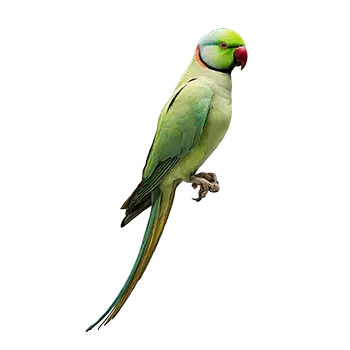
Indian Ringneck Parakeets reach sexual maturity at different rates depending on sex and individual development. Males are generally considered mature enough for breeding at approximately two to three years of age, which coincides with the full development of the characteristic dark neck ring and rose-colored collar that distinguishes them from females and juveniles. Females may reach sexual maturity slightly earlier, around one and a half to two years of age, but breeding a female that is too young can lead to serious health complications including egg binding, calcium depletion, and inadequate parenting behavior.

Before pairing birds for breeding, both the male and female should undergo a thorough veterinary examination. This examination should include bloodwork to assess organ function, nutritional status, and the absence of infectious diseases. Screening for common avian pathogens such as Psittacine Beak and Feather Disease, polyomavirus, and psittacosis is essential to prevent transmission to chicks. Both birds should be in excellent physical condition — well-feathered, at a healthy weight, and free of any chronic health issues.

The breeding pair should be compatible, which in Indian Ringnecks involves more than simply placing a male and female together. These birds can be selective about their mates, and forced pairings can result in aggression, stress, and injury. Introduce potential pairs in adjacent cages first, allowing them to see and interact through the bars for several weeks before being housed together. Signs of compatibility include mutual preening through the bars, feeding behavior directed at the other bird, and calm, relaxed body language in each other's presence.

Prepare for breeding by ensuring you have the knowledge, resources, and time to care for eggs and chicks. Breeding parrots is not a passive process — it requires daily monitoring, the ability to hand-feed if parent-rearing fails, access to an avian veterinarian, and a plan for the responsible placement of offspring. Entering into breeding without preparation can result in the loss of chicks and lasting harm to the health of the breeding pair.

Hormonal Cycles & Courtship

Indian Ringneck Parakeets are seasonal breeders, with hormonal activity typically peaking in the spring as daylight hours increase. In captivity, this seasonal pattern can be influenced by artificial lighting, temperature, and dietary factors, which means that some birds may come into breeding condition outside the natural season. Understanding the hormonal cycle and recognizing courtship behavior is essential for timing breeding attempts and managing the reproductive health of your birds.

Courtship behavior in Indian Ringnecks is a dynamic and observable process. Males become more vocal and animated, performing displays that include bobbing the head, dilating the pupils rapidly (eye pinning), fanning the tail, and making soft chattering or clicking sounds directed at the female. The male may also offer food to the female by regurgitating into her beak, a behavior that strengthens the pair bond and signals his readiness to provide for a mate and offspring.

The female signals her receptivity through her response to the male's displays. A receptive female will accept regurgitated food, solicit attention from the male, and begin investigating potential nesting sites. She may spend increasing amounts of time inside the nest box, chewing and rearranging the bedding material. Her vent area may appear slightly swollen as her reproductive tract activates. Conversely, a female that is not receptive will rebuff the male's advances, may become aggressive, and should not be forced into closer contact.

Dietary adjustments during the breeding season are critical. Increase the availability of calcium-rich foods and provide a cuttlebone or mineral block to support eggshell formation. Boost protein intake with cooked egg, legumes, and sprouted seeds. Ensure fresh vegetables are offered daily to provide the vitamins and minerals that both parents will need during the demanding weeks of incubation and chick-rearing. A nutritionally deficient hen is at significantly higher risk for egg binding and poor chick viability.

Egg Laying & Incubation

Once mating has occurred and the female is prepared, she will typically begin laying eggs within one to two weeks. Indian Ringneck Parakeets usually lay a clutch of three to six eggs, depositing one egg approximately every other day until the clutch is complete. The eggs are small, white, and slightly oval. Some females begin incubating immediately after the first egg is laid, which results in staggered hatching, while others wait until the clutch is nearly complete before settling into sustained incubation.

The nest box should be in place well before egg laying begins, allowing the female time to acclimate and prepare the nesting site. A vertical or L-shaped wooden nest box with internal dimensions of approximately 10 by 10 by 18 inches is appropriate for Indian Ringnecks. Line the bottom with a layer of untreated pine shavings or a similar safe substrate. Avoid cedar and any treated wood products, as these emit fumes that are toxic to birds. The nest box should be mounted high on the cage or aviary, as Ringnecks instinctively prefer elevated nesting sites.

Incubation is primarily the responsibility of the female, who will spend the majority of her time inside the nest box for the 22 to 24 day incubation period. The male typically stands guard near the nest box entrance and feeds the female during her shifts on the eggs. Disturb the nesting pair as little as possible during this period — excessive handling of the nest box or eggs can cause the female to abandon the clutch. Quick, quiet inspections to check on egg viability can be done while the female is off the nest for feeding, but should be brief and infrequent.

Not all eggs will be fertile, and infertile eggs are a normal occurrence even with a proven pair. Eggs can be candled after about seven to ten days of incubation by holding them up to a bright light in a darkened room. Fertile eggs will show a network of blood vessels and a developing embryo, while infertile eggs will appear clear or show only a uniform shadow. Remove clearly infertile eggs after confirming on two separate candling sessions to reduce the female's workload, but leave any eggs that appear questionable until hatching time has passed.

Chick Rearing & Fledging

Once chicks begin to hatch, the demands on the breeding pair — and on the breeder — increase substantially. Parent-reared chicks are fed by both the hen and the cock, with the male typically feeding the hen who in turn feeds the chicks during the early days. As the chicks grow and their nutritional demands increase, both parents may feed the chicks directly. The parents' diet during this period should be enriched with soft, easily digestible foods including soaked or sprouted seeds, warm cooked grains, finely chopped vegetables, and egg food to ensure they can produce sufficient crop milk and regurgitated food for the growing brood.

Monitor the chicks daily without excessive disturbance. Brief visual inspections of the nest box to ensure all chicks are being fed, are warm, and appear healthy are important. Signs that a chick is not receiving adequate nutrition include a persistently empty crop, failure to gain weight, lethargy, and dehydration. If one or more chicks appear to be falling behind, supplemental hand-feeding may be necessary to prevent loss. Have hand-feeding supplies prepared and ready before the eggs hatch so you can intervene quickly if needed.

Chicks grow rapidly and will begin to feather out significantly by three to four weeks of age. By five to six weeks, they will begin to peek out of the nest box and may start to explore the immediate area. Fledging — the first emergence from the nest — usually occurs around six to eight weeks of age. Ensure the cage or aviary floor is clean and soft in case the fledgling's early flight attempts result in crash landings. Remove any hazards from the flight area and provide low perches that the fledgling can reach as it builds coordination and confidence.

The weaning process begins naturally as fledglings start to pick at soft foods placed near them by the parents or the breeder. This transition from parental feeding to independent eating takes several weeks, and the parents will continue to feed the young birds even as they learn to eat on their own. Do not separate chicks from their parents prematurely — most Indian Ringneck chicks benefit from remaining with their parents until they are fully weaned and eating independently, typically around 10 to 12 weeks of age.

Postpartum & Recovery Care

The breeding and chick-rearing process is physically demanding for both parent birds, but particularly for the hen. Egg production depletes calcium and other mineral reserves, sustained incubation reduces her own feeding time and activity level, and the constant demands of feeding rapidly growing chicks draw heavily on her nutritional stores. Once the chicks are weaned and separated, the hen needs a focused recovery period before she should be considered for another breeding cycle.

Remove the nest box promptly after the chicks have been weaned and separated from the parents. Leaving the nest box in place can stimulate the female to lay another clutch before she has fully recovered, which increases the risk of egg binding, nutritional deficiency, and reproductive tract complications. Most experienced breeders limit Indian Ringneck hens to one or at most two clutches per year and provide a minimum rest period of six months between clutches.

During the recovery period, focus the hen's diet on rebuilding her nutritional reserves. Continue to offer calcium-rich foods, high-quality pellets, and a variety of fresh vegetables. Monitor her weight and physical condition closely. Her feathers may appear worn or dull after the breeding season, and she will likely go through a post-breeding molt as her body prioritizes feather replacement. Ensure she has access to regular bathing, adequate humidity, and a quiet, low-stress environment during this recovery period.

The male should also be given time to rest and recover, though his physical demands during breeding are generally less intense than the female's. Both birds benefit from a return to their normal routine, regular social interaction with their caregivers, and enrichment activities that provide mental stimulation without reproductive triggers. Gradually reduce daylight exposure back to 10 to 12 hours per day if it was extended during the breeding season, and remove any environmental cues that might encourage further nesting behavior.

Responsible Breeding Ethics

Breeding Indian Ringneck Parakeets carries significant ethical responsibilities that extend beyond the immediate health and care of the breeding pair. The decision to breed should be motivated by a genuine commitment to producing healthy, well-socialized birds that will go to prepared and knowledgeable homes — not by the desire for profit, novelty, or an impulsive fascination with the breeding process. The parrot rescue community is already strained by the volume of unwanted birds that result from casual or irresponsible breeding, and every responsible breeder has an obligation to be part of the solution rather than the problem.

Before breeding, have a clear plan for every potential chick. This means identifying suitable homes, screening prospective buyers or adopters, and being prepared to keep any chicks you cannot responsibly place. Responsible placement involves educating new owners about the long-term commitment of Ringneck ownership — these birds can live 25 to 30 years and require daily interaction, specialized veterinary care, and a commitment that outlasts many other life decisions. Selling chicks to pet stores or unscreened buyers is not responsible placement.

Genetic responsibility is another critical consideration. Avoid breeding birds with known hereditary health issues, poor temperament, or unknown backgrounds. Inbreeding — pairing closely related birds — increases the risk of genetic defects, reduced immune function, and reproductive problems in offspring. If you are breeding for specific color mutations, understand the genetics involved and avoid pairings that are known to produce lethal or semi-lethal combinations. Consult experienced breeders or avian geneticists if you are uncertain about the implications of a particular pairing.

Finally, consider the broader impact of breeding on wild populations and conservation. While Indian Ringneck Parakeets are not endangered and have thriving wild populations across their native range, the exotic pet trade and feral populations established by escaped or released pet birds can create ecological problems in non-native environments. Responsible breeders ensure that their birds are properly identified, that new owners understand the importance of preventing escape, and that breeding efforts do not contribute to the release of non-native species into local ecosystems.

Always consult a qualified professional before making any health-related decisions. This content is provided for informational reference only and should not replace professional guidance specific to your animal.