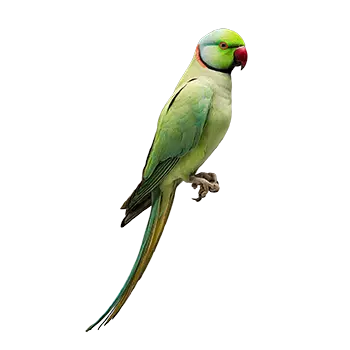

Determining exactly when an Indian Ringneck Parakeet enters its senior years is not as straightforward as marking a specific birthday on the calendar. Unlike dogs and cats, where aging milestones are relatively well defined, parrots age gradually, and the transition from mature adult to senior can be subtle. Generally, Indian Ringnecks are considered to be entering their senior years around 15 to 20 years of age, depending on their overall health, genetics, and the quality of care they have received throughout their lives.
The earliest signs of aging are often behavioral rather than physical. A bird that was once energetic and constantly in motion may begin to slow down, spending more time resting on a favorite perch and less time flying or climbing. Vocalizations may decrease in frequency or intensity. The bird may become more set in its routines and less adaptable to changes in its environment. These shifts happen gradually and are easy to miss if you are not paying close attention, but they represent the beginning of a natural transition that calls for adjustments in care.
Physical signs of aging may include subtle changes in feather quality — the plumage may lose some of its luster or take longer to recover after a molt. The skin on the feet may become drier and more textured. Muscle tone may decrease, and the bird may appear slightly leaner even if its weight remains stable. Some older Ringnecks develop mild cataracts or other age-related changes in the eyes, though complete vision loss is relatively uncommon in well-cared-for birds.
It is important to recognize that aging is not a disease. A senior Indian Ringneck that has been well cared for throughout its life can remain active, vocal, and engaged for many years into old age. The goal of senior care is not to treat aging itself but to adapt the bird's environment, diet, and veterinary care to support its changing needs and catch any age-related health issues as early as possible.