
Recognizing the Senior Stage

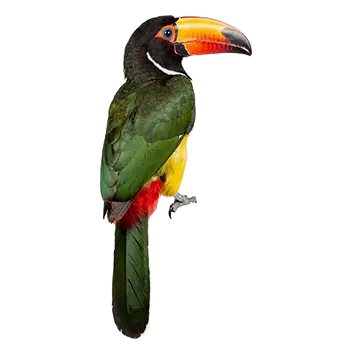
Determining when a Green Aracari has entered its senior years requires an understanding of both the species' typical lifespan and the subtle physiological changes that mark the onset of aging. In captivity, Green Aracaris generally live between 15 and 20 years, though individuals with exceptional care and favorable genetics may surpass this range. As a general guideline, birds entering the final third of their expected lifespan, roughly age 12 and beyond, should be considered senior and managed with the increased vigilance and adjusted care protocols that this stage demands.

The transition from adult prime to senior status is not marked by a single dramatic event but rather by a gradual accumulation of small changes that may be easy to dismiss individually. Activity levels typically decrease as the bird spends more time resting and less time in sustained flight or vigorous play. The bird may sleep longer, retire to its nest box earlier in the evening, and emerge later in the morning. These shifts in daily rhythm are normal age-related changes, but they can also overlap with symptoms of illness, making it important to distinguish between healthy aging and pathological decline.

Physical changes become increasingly apparent as the bird ages. Plumage may lose some of its vibrancy, appearing slightly duller or less crisply defined than during the prime adult years. Molting cycles may become more prolonged or irregular, with older birds sometimes retaining worn feathers longer before shedding them. The bill and nails may grow at altered rates, sometimes faster due to metabolic shifts, requiring more frequent trimming. The feet may show early signs of stiffness or reduced grip strength, particularly if the bird has a history of suboptimal perch variety.

Behavioral changes accompany the physical ones. A senior Green Aracari may become less interested in novel enrichment items while showing increased attachment to familiar routines, preferred perches, and trusted companions. The bird's social preferences may intensify, with greater demand for proximity to its bonded human or avian partner. Some senior birds develop mild anxiety around changes in their environment or routine that they previously tolerated without difficulty. Recognizing these shifts as part of normal aging rather than behavioral problems allows the caregiver to respond with accommodation rather than correction.

Dietary Adjustments for Aging Birds

The nutritional requirements of a senior Green Aracari shift in subtle but important ways as the bird's metabolism slows, its digestive efficiency declines, and the cumulative effects of lifelong iron exposure become increasingly relevant. Dietary adjustments during the senior years aim to support organ function, maintain healthy body weight, ensure adequate hydration, and minimize further iron accumulation in a bird whose liver may already be carrying a significant iron burden from years of captive management.

Caloric needs typically decrease as activity levels decline. A senior bird that continues to receive the same portion sizes as during its active adult years is at risk of weight gain, which compounds existing joint strain, impairs respiratory function, and increases cardiovascular load. Adjust portion sizes based on weekly weight monitoring, reducing total volume if the bird trends upward while ensuring that nutritional density remains high. The goal is a stable weight within the bird's historical normal range, not weight loss, as involuntary weight loss in a senior bird often signals underlying disease.

Fruit selection should prioritize the most digestible, lowest-iron options. Papaya remains the dietary cornerstone, and its natural enzyme content becomes even more valuable as the bird's digestive capacity diminishes with age. Cut fruit into smaller pieces than would be offered to an adult in prime years, as older birds may have reduced bill dexterity or jaw strength. Softer fruits such as ripe banana, mango, and melon are easier for the senior bird to process than firmer options. Ensure fruit is always fresh and at room temperature rather than cold from the refrigerator, as chilled food can slow an already aging digestive tract.

Protein requirements should be maintained or slightly reduced depending on the individual bird's muscle condition and kidney function. Continue offering gut-loaded insects but monitor the bird's interest and ability to capture and consume them. If the senior bird struggles with live prey, switch to pre-killed or frozen-thawed insects that can be placed in a dish. Egg protein can be offered in softer preparations if the bird has difficulty with solid egg white.

Hydration becomes increasingly critical in senior birds. Older Green Aracaris may drink less frequently or with less enthusiasm, particularly if mobility limitations make accessing the water dish inconvenient. Place multiple water sources throughout the enclosure at easily accessible heights. Some keepers add a small amount of unsweetened fruit juice to the water to encourage drinking, though this strategy requires more frequent water changes to prevent fermentation. Monitor urate color in the droppings as a hydration indicator: well-hydrated birds produce bright white urates, while cream-colored or yellowish urates suggest dehydration.

Age-Related Health Conditions

Senior Green Aracaris face a constellation of health challenges that reflect both the cumulative effects of captive management and the natural decline of organ systems with age. Understanding these conditions enables the caregiver to recognize early warning signs, collaborate effectively with the avian veterinarian, and make informed management decisions that prioritize the bird's comfort and quality of life.

Iron storage disease reaches its most clinically significant phase during the senior years. Even birds that have been maintained on carefully controlled low-iron diets throughout their lives may show elevated iron markers as the liver's capacity to manage iron diminishes with age. Clinical signs of advanced hemochromatosis include progressive lethargy, respiratory difficulty from ascites or hepatomegaly, weight loss, and sudden deterioration. Blood work during senior veterinary visits should prioritize iron studies and liver function markers, with the frequency of testing increased to twice annually for birds entering their senior years. Therapeutic phlebotomy may be recommended if iron levels are rising despite optimal dietary management.

Hepatic and renal decline are common age-related changes that may develop independently of or in conjunction with iron storage disease. The liver and kidneys gradually lose functional capacity with age, affecting the bird's ability to metabolize nutrients, clear waste products, and maintain fluid balance. Elevated bile acids, uric acid, or changes in plasma protein levels on blood work indicate organ compromise that may require dietary modification, supportive supplementation, or medication.

Musculoskeletal changes including arthritis, reduced grip strength, and decreased flight endurance are among the most visible signs of aging. A senior bird may shift positions more frequently on the perch, prefer wider or padded perching surfaces, show reluctance to fly, or exhibit stiffness when first moving after a rest period. These changes warrant environmental modifications to reduce physical strain and veterinary assessment for pain management options.

Ophthalmic changes can occur in older ramphastids, including cataract formation and retinal degeneration. A bird that misjudges distances while landing, startles more easily, or shows reduced accuracy when catching tossed food items may be experiencing vision decline. An ophthalmic examination during the annual veterinary visit can identify these changes and guide environmental accommodations to keep the bird safe.

Mobility & Enclosure Modifications

As a Green Aracari ages and experiences the musculoskeletal and sensory changes associated with senescence, the enclosure that served perfectly during the bird's active adult years may need significant modification to ensure continued safety, accessibility, and comfort. The overarching principle guiding these changes is to reduce the physical demands placed on the bird while preserving as much environmental enrichment and autonomy as possible.

Perch placement should be adjusted to minimize the distance and height differential between perching stations. A senior bird with arthritic joints or diminished flight strength may struggle with long flights between widely separated perches or with ascending to perches mounted at significant heights. Lower the highest perches and bring all stations closer together, creating a more compact but still varied perching landscape. Wider perches, approximately one and a half to two inches in diameter, provide a more comfortable grip for feet with reduced strength and flexibility. Adding rope perches, flat platform perches, and padded perch wraps gives the bird options to redistribute pressure when a standard branch becomes uncomfortable.

Food and water stations should be repositioned to maximize accessibility. Place dishes near the bird's preferred resting perch so that eating and drinking require minimal movement. If the bird sleeps in a nest box, ensure that the path from the box to the nearest food and water is short and unobstructed. Some senior birds benefit from having a small dish of water and a few pieces of fruit placed directly inside or immediately adjacent to the nest box, so they can hydrate and eat upon waking without navigating a complex enclosure layout.

The nest box itself may need modification as the bird ages. An entry hole that was easily navigated by a limber adult may present a challenge for a stiff senior bird. Enlarging the opening slightly, adding an external perch or landing platform at the entry point, and ensuring the interior has a smooth, padded substrate all reduce the effort and discomfort associated with entering and exiting the sleeping chamber.

Fall prevention becomes a practical concern for senior birds with compromised balance or vision. Soft landing surfaces beneath perches, such as towels, fleece pads, or cushioned mats, reduce the risk of injury from falls. Remove any sharp-edged toys, protruding hardware, or narrow gaps where a disoriented or unsteady bird could become trapped. Monitor the bird's footing and balance during daily interactions, and consult the avian veterinarian if falls become frequent, as this may indicate a neurological or inner-ear condition beyond simple age-related weakness.

Pain Assessment & Comfort Care

Assessing pain in a senior Green Aracari is one of the most challenging aspects of geriatric avian care. Birds are evolutionarily programmed to conceal vulnerability, and even a bird in significant discomfort may maintain relatively normal behavior until pain becomes overwhelming. Developing the ability to detect subtle pain indicators allows the caregiver to advocate for the bird's comfort and work with the veterinarian to implement pain management strategies before suffering becomes entrenched.

Behavioral indicators of pain in senior Green Aracaris include reduced activity beyond the expected age-related decline, reluctance to move from a preferred perch even when motivated by food, subtle changes in posture such as persistent fluffing or a hunched stance, decreased interest in social interaction or enrichment, and a shift in sleeping patterns, particularly sleeping outside the nest box or adopting unusual positions. Changes in vocalization, either increased calling that may indicate distress or decreased vocalization that suggests withdrawal, can also signal discomfort.

Physical indicators include weight-shifting on the perch that suggests foot pain, favoring one leg, wing drooping, decreased preening, and changes in droppings that might reflect the physiological stress of chronic pain. Some birds in pain become more reactive to handling, while others become unusually passive. The caregiver's intimate knowledge of the individual bird's normal behavioral baseline is the most sensitive diagnostic instrument available.

Pain management options for avian patients have expanded considerably. Non-steroidal anti-inflammatory drugs formulated or compounded for avian use can address musculoskeletal pain, while gabapentin may be appropriate for neuropathic pain. Tramadol provides an alternative analgesic option for birds that do not tolerate other medications. All pain medications must be prescribed by an avian veterinarian familiar with ramphastid physiology, as drug metabolism and dosing differ significantly from mammals and even from psittacine species.

Environmental comfort measures complement pharmaceutical pain management. Maintaining ambient temperature at the warmer end of the acceptable range, 78 to 82 degrees Fahrenheit, reduces the muscle stiffness associated with arthritis. Ensuring the nest box is warm, draft-free, and easily accessible provides a comfortable retreat. Soft perching surfaces, reduced enclosure complexity, and gentle handling all contribute to an environment that minimizes pain triggers and supports the aging bird's comfort.

Veterinary Care Frequency & Geriatric Screening

The frequency and scope of veterinary care should increase as the Green Aracari enters its senior years, shifting from the annual wellness visits appropriate for a healthy adult to biannual examinations that include expanded diagnostic panels targeted at the conditions most likely to emerge with age. This more intensive monitoring schedule reflects the reality that disease processes in older birds can progress rapidly, and early detection measured in weeks rather than months often makes the difference between a manageable condition and a crisis.

Biannual blood work should include a complete blood count, plasma biochemistry panel with emphasis on liver and kidney markers, and iron studies including serum iron, total iron-binding capacity, and ferritin where available. Trending these values over successive visits provides far more diagnostic value than any single reading. The veterinarian should compare current results against the bird's historical baseline established during the adult years, flagging even modest changes that might indicate early organ compromise or accelerating iron accumulation.

Radiographic imaging becomes more valuable in senior birds. Annual or biannual whole-body radiographs allow the veterinarian to assess liver size and density, look for evidence of ascites, evaluate skeletal changes including arthritis and osteoporosis, and screen for abdominal masses. Radiographic changes often precede clinical symptoms, providing a window for early intervention. In some cases, advanced imaging such as ultrasound or CT may be recommended to evaluate specific organ systems in greater detail.

Dental and bill assessments should be conducted at every visit. Older Green Aracaris may develop bill growth abnormalities, tip fractures, or structural changes that affect feeding ability. The veterinarian should evaluate bill symmetry, length, and surface condition, performing corrective trimming or reshaping if needed. Similarly, a comprehensive foot examination at each visit allows early detection of pododermatitis, nail bed abnormalities, or joint swelling.

Discuss quality-of-life benchmarks with the veterinarian during each senior visit, establishing shared criteria for evaluating whether the bird's daily experience remains positive. Topics should include mobility, appetite, social engagement, pain level, and the bird's ability to perform basic self-care behaviors such as preening, bathing, and feeding. These conversations, held proactively while the bird is still relatively well, prepare both the caregiver and the veterinary team for the more difficult decisions that may arise as the bird continues to age.

Emotional Well-Being in the Senior Years

The emotional landscape of a senior Green Aracari deserves the same deliberate attention as its physical health. Aging birds experience changes in cognitive function, sensory acuity, and social needs that can produce anxiety, confusion, or withdrawal if the caregiver does not recognize and accommodate them. A holistic approach to senior care acknowledges that the bird's psychological well-being is inseparable from its physical comfort and that interventions addressing one dimension often benefit the other.

Routine becomes increasingly important to the aging Green Aracari. Senior birds derive security from predictable daily patterns: feeding times, interaction periods, lighting schedules, and bedtime routines that unfold in the same sequence each day. Disruptions to this routine, whether from household changes, travel, visitors, or rearrangement of the living space, can produce disproportionate stress responses in an older bird. When changes are unavoidable, introduce them gradually and provide extra reassurance through familiar sounds, preferred foods, and calm physical presence.

Social bonds intensify for many senior birds. A Green Aracari that was relatively independent during its adult years may become more demanding of its caregiver's presence and more distressed by separation. This increased attachment is a normal expression of the bird's evolving emotional needs and should be met with patience and increased engagement rather than frustration. If the caregiver's schedule does not allow for more time with the bird, environmental strategies such as placing the enclosure in a room where the bird can see and hear household activity, providing a radio or television for ambient sound, or arranging for a trusted person to visit during the caregiver's absence can reduce social isolation.

For bonded pairs, the loss of a companion is one of the most significant emotional events a senior Green Aracari can experience. Surviving birds may exhibit grief-related behaviors including appetite loss, lethargy, increased vocalization, and agitated searching for the missing partner. Allow the grieving process to unfold without rushing the bird toward a new companion. Provide extra attention, favored foods, and gentle interaction. Most birds gradually resume normal behavior over days to weeks, though some may show lasting behavioral changes. Whether to introduce a new companion to a grieving senior bird is a decision that should weigh the individual's temperament, health status, and capacity to adapt to a new social relationship.

Cognitive enrichment should be maintained throughout the senior years, adapted to the bird's changing abilities. Simplify foraging challenges so they remain engaging without becoming frustrating. Use familiar enrichment items alongside occasional novel ones to strike a balance between stimulation and comfort. The goal is to keep the senior bird mentally active and engaged with its environment without creating demands that exceed its diminishing physical or cognitive capacity.

Always consult a qualified professional before making any health-related decisions. This content is provided for informational reference only and should not replace professional guidance specific to your animal.