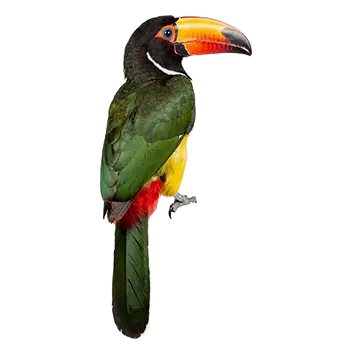

Successful Green Aracari breeding begins long before the first egg is laid, rooted in the careful selection and pairing of compatible birds whose genetics, temperament, and health status support a productive breeding partnership. Unlike psittacine species where pair bonding can involve prolonged courtship rituals and complex behavioral negotiations, Green Aracaris tend to form pair bonds relatively readily when conditions are favorable. However, compatibility should never be assumed, and rushed introductions between unfamiliar birds can result in aggression, injury, or chronic stress that undermines reproductive success.
Genetic diversity should be a primary consideration when selecting breeding pairs. The captive Green Aracari population, while more established than some ramphastid species, is not unlimited, and careful attention to lineage helps prevent inbreeding depression that can manifest as reduced fertility, weakened immune function, and developmental abnormalities in offspring. Obtain detailed pedigree information from breeders or registries when available, and avoid pairing birds that share known common ancestors within the previous three generations.
Both birds should be in peak physical condition before breeding is attempted. A comprehensive veterinary examination, including blood work with iron studies, fecal analysis, and evaluation of body condition, ensures that neither bird is carrying subclinical disease that could compromise its health during the physiologically demanding breeding process or be transmitted to offspring. The hen in particular should be assessed for adequate calcium reserves, as egg production places significant demands on skeletal calcium stores.
Introduce prospective mates gradually, beginning with visual access in adjacent enclosures before allowing direct physical contact. Observe both birds for signs of mutual interest, which in Green Aracaris typically include bill fencing, mutual preening, food sharing, and synchronized roosting. Aggression beyond brief initial dominance testing, particularly persistent chasing, biting, or one bird preventing the other from eating or accessing the nest box, indicates incompatibility. Not every pair of Green Aracaris will bond successfully, and forcing cohabitation between incompatible individuals risks injury and produces chronic stress that is detrimental to both birds' long-term health.