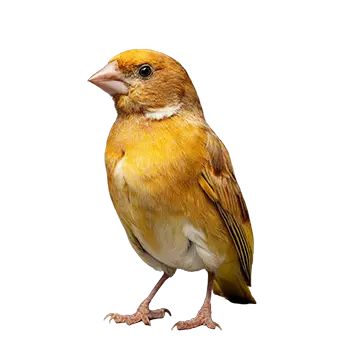

The fledging period marks one of the most dramatic transitions in a German Roller Canary's life. Between approximately 16 and 21 days of age, the young bird leaves the nest and begins navigating the world under its own power for the first time. This transition does not happen in a single moment. Fledging is a process that often begins with the chick perching on the nest rim, fluttering short distances to nearby perches, and returning to the nest for warmth and security before eventually spending all of its time outside the nest.
Newly fledged German Roller Canaries are clumsy fliers. Their flight feathers are functional but their coordination and stamina are still developing, which means crash landings on the cage floor are common during the first few days. Breeders should prepare the cage environment by lowering perches to reduce fall distances, padding the cage floor with soft material such as paper towels, and removing any objects that could injure a bird making an uncontrolled descent. Open water dishes should be replaced with shallow saucers or covered dispensers to eliminate any risk of drowning.
The hen typically continues to feed fledged chicks for another 10 to 14 days after they leave the nest, though her attentiveness gradually decreases as the young birds begin to experiment with eating on their own. Some hens will aggressively drive fledglings away once they begin preparing for a subsequent clutch, which can be stressful for chicks that are not yet fully weaned. Monitoring the feeding dynamic between the hen and her fledglings helps the breeder decide when separation is necessary.
During this period, the fledglings should have easy access to softened food that they can manage with their still-developing beaks and feeding coordination. Soaked or sprouted seeds, finely chopped greens, and moistened egg food placed in low, easily accessible dishes encourage independent feeding attempts. Dry seed can also be offered, but young birds often struggle with husking hard seeds efficiently during the first week out of the nest.