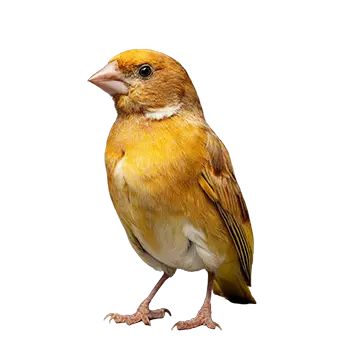

A well-established daily routine is the backbone of good husbandry for an adult German Roller Canary. These birds thrive on consistency, and a predictable schedule of feeding, cage maintenance, and interaction helps reduce stress while ensuring that the bird's physical and behavioral needs are reliably met. The adult phase, spanning roughly from one year of age through approximately seven or eight years, represents the longest and most stable period of the German Roller's life, and the habits established now set the tone for the bird's long-term health.
Each morning should begin with fresh food and water. Remove any uneaten perishable foods such as egg food or greens from the previous day, clean and refill water dispensers, and provide the day's seed ration alongside any supplements. The cage floor should be cleaned or the liner replaced to remove overnight droppings, loose feathers, and seed hulls. This daily cleaning is not merely cosmetic. Accumulated droppings and damp food remnants create a breeding ground for bacteria and fungi that can cause respiratory and digestive infections.
Cage papers or liners deserve a brief inspection during the morning routine. The droppings of a healthy adult German Roller Canary should have a well-formed dark center, a white urate component, and a small amount of clear liquid urine. Changes in droppings color, consistency, or volume are often the earliest visible sign of illness and should be noted even when the bird otherwise appears well. Catching a developing problem at the droppings stage, before the bird shows behavioral symptoms, can mean the difference between a simple treatment and a serious illness.
Bathing should be offered regularly, ideally several times per week. Most canaries enjoy bathing and will eagerly enter a shallow bath dish placed on the cage floor or hung from the cage door. Bathing helps keep the plumage clean and in good condition, supports skin health, and provides a form of enrichment that many birds clearly find pleasurable. Offer the bath in the morning so the bird has ample time to dry before the cooler evening hours, and remove the bath dish after an hour or so to prevent the bird from drinking soiled bath water.