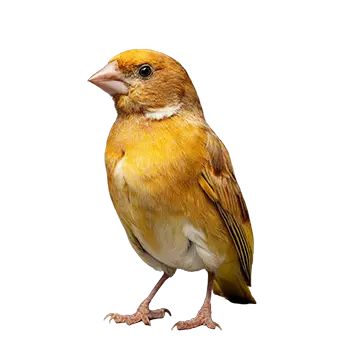

Recognizing that a German Roller Canary is approaching the end of its life is one of the most difficult yet important responsibilities a keeper faces. Canaries, like many small birds, have a remarkable capacity for concealing illness and decline until their reserves are nearly exhausted. By the time visible signs of terminal decline appear, the bird may have been deteriorating internally for days or weeks. Learning to read the subtle early signals allows the keeper to shift from curative care to comfort care at the appropriate time, ensuring the bird's remaining days are as peaceful as possible.
A German Roller Canary that has stopped singing entirely outside the normal molt period and shows no signs of resuming is often communicating a significant change in condition. While reduced singing is normal in senior birds, complete cessation accompanied by other signs of decline such as prolonged fluffing, reduced appetite, and withdrawal from activity usually indicates that the bird's energy reserves are being redirected entirely toward basic survival functions rather than the metabolically costly activity of song production.
Progressive weight loss despite continued food availability is another hallmark of terminal decline. A bird that is eating less and less, or that appears to eat but is actually dropping food rather than consuming it, will lose body mass steadily. In a bird as small as a canary, even a gram or two of weight loss represents a significant percentage of total body mass. When the keel bone, the prominent breastbone, becomes sharply palpable with little muscle tissue on either side, the bird has reached a state of severe wasting that is rarely reversible.
Changes in droppings often accompany terminal decline. The fecal component may become very small or absent, the urate portion may change from white to green or yellow indicating liver failure, and the liquid component may increase dramatically as kidney function deteriorates. Tarry black droppings can indicate internal bleeding. These droppings changes, particularly when combined with other signs of decline, help the keeper and veterinarian assess the bird's systemic condition and inform decisions about ongoing care.