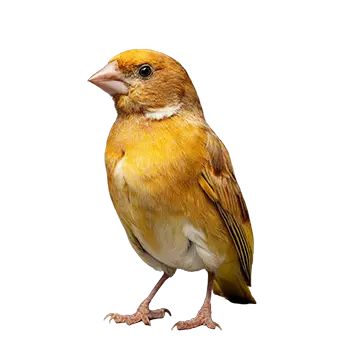

Breeding German Roller Canaries is as much an art of lineage management as it is a matter of husbandry. Unlike breeds selected primarily for color or conformation, the Roller is defined by its song, and responsible breeding decisions center on perpetuating and improving the vocal qualities that distinguish the breed. Pair selection therefore requires the breeder to evaluate candidates not only on physical health and vigor but also on their song heritage, a dimension of selection that makes Roller breeding uniquely complex among canary breeds.
The male's song is the primary selection criterion. A breeding male should deliver a repertoire that includes the recognized Roller tours: hollow roll, bass roll, hollow bell, water glucke, flute, and bell roll, among others. The quality of each tour, its depth, smoothness, duration, and freedom from faults such as choppiness or harshness, is more important than the total number of tours in the repertoire. Breeders often maintain detailed song records for each male, noting which tours are strong, which are weak, and whether any faults are present. These records guide pairing decisions across generations.
The hen's contribution to song quality, though less immediately apparent because females do not produce the full structured song, is equally important genetically. A hen from a strong song lineage carries the genetic potential for excellent song even though she does not express it herself. Experienced Roller breeders track maternal pedigrees as carefully as paternal ones, because a proven hen whose sons consistently produce high-quality song is invaluable to a breeding program. Conversely, pairing an outstanding male with a hen of unknown or poor song lineage may produce disappointing offspring.
Physical fitness is a prerequisite for breeding. Both the cock and the hen should be in peak condition before pairing: healthy body weight, clean and complete plumage, clear eyes and nares, and active behavior. Birds that are underweight, overweight, in active molt, or showing any signs of illness should not be bred. Age is also a factor. First-year birds can breed successfully, but many experienced breeders prefer to wait until the second year for both males and females, allowing the birds to reach full physical and, in the case of males, vocal maturity before reproducing.
Inbreeding management is a concern in any selective breeding program, and German Roller Canaries are no exception. Closely related pairings can concentrate desirable song traits but also amplify genetic weaknesses, including reduced fertility, poor immune function, and congenital defects. A balanced approach involves linebreeding to fix desired characteristics while periodically introducing unrelated birds of proven song quality to maintain genetic diversity and vigor across the breeding flock.