
When Does Senior Begin?

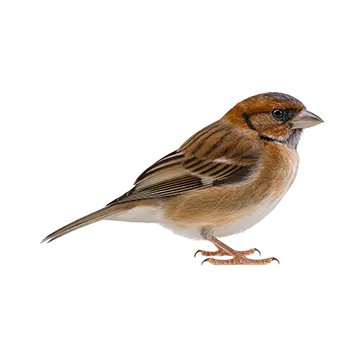
Society Finches are considered to be entering their senior years at approximately five years of age, though this can vary depending on genetics, diet, and overall quality of care throughout their lives. With a typical lifespan of five to eight years, a Society Finch at age five has lived through the majority of its expected life and may begin showing gradual signs of aging that require adjusted care.

The transition into the senior stage is rarely sudden or dramatic. Instead, keepers typically notice a slow reduction in activity levels, less frequent singing from males, and a general quieting of the bird's daily behavior. A finch that once flew energetically across the cage may begin spending more time perching in a favored spot, and its movements between perches may become more deliberate and less acrobatic.

It is important to distinguish between the normal slowing of age and signs of illness. A healthy senior finch should still eat well, maintain its plumage through regular preening, interact socially with flock mates, and respond to environmental stimuli. A bird that becomes suddenly lethargic, fluffed up, or withdrawn is likely experiencing a health crisis rather than simple aging, and should be evaluated by an avian veterinarian promptly.

Keeping accurate records of each bird's hatch date or estimated age is invaluable for anticipating the senior transition. Knowing a bird's approximate age allows the keeper to proactively adjust care routines, increase veterinary monitoring, and make environmental modifications before age-related problems become serious.

Mobility & Physical Changes

Aging Society Finches commonly experience reduced mobility and physical changes that require accommodations in their living environment. Joint stiffness, decreased muscle mass, and reduced grip strength can make navigating perches and cage furniture more challenging for senior birds.

Perch placement should be adjusted to reduce the distance and difficulty of movement between resting spots, food stations, and water sources. Lowering perches and providing wider, textured surfaces gives aging feet a more secure grip. Rope perches or platform perches can offer comfortable resting spots for birds that struggle with standard round dowels. Avoid placing perches at extreme heights where a fall could injure a less agile bird.

Foot health deserves particular attention in senior finches. Older birds are more susceptible to bumblefoot, a bacterial infection of the foot pad that presents as redness, swelling, or callused sores on the bottom of the feet. This condition is often related to perch material, reduced activity, and weight bearing on compromised tissue. Natural wood perches of varying diameters help distribute pressure across the foot and reduce the risk of developing pressure sores.

Feather quality may decline in senior birds, with plumage appearing less vibrant or slightly rougher in texture. Molting may become less complete, with some feathers taking longer to replace or growing in with minor irregularities. While some cosmetic changes are normal, persistent bald patches, feather discoloration, or brittle feather shafts may indicate nutritional deficiencies or metabolic conditions that warrant veterinary evaluation.

Behavioral Changes

Senior Society Finches often exhibit subtle behavioral shifts that reflect their aging bodies and changing needs. Understanding these changes helps keepers provide appropriate support while distinguishing normal aging from treatable conditions.

Reduced singing is one of the most commonly noticed changes in aging male Society Finches. A male that once sang frequently and enthusiastically may sing less often, with a quieter or shorter song. This is a natural consequence of aging and reduced hormonal drive. However, a sudden and complete cessation of vocalization, particularly if accompanied by other changes, may indicate respiratory distress or other illness.

Sleep patterns often shift in senior finches. Older birds may retire to their roosting perch earlier in the evening and be slower to become active in the morning. They may also take more frequent rest periods during the day, perching quietly with their feathers slightly fluffed while their flock mates remain active. Providing a quiet, dimly lit corner of the cage for daytime resting allows the senior bird to rest without being disturbed by more active cage mates.

Social behavior in senior Society Finches generally remains intact, as the social drive is deeply ingrained in the species. Older birds continue to seek companionship, engage in mutual preening, and roost in close contact with preferred flock mates. Maintaining these social bonds is critical for the emotional well-being of senior birds, and a bonded companion should not be separated from an aging bird unless absolutely necessary for medical reasons.

Nutrition for Aging

The nutritional needs of senior Society Finches shift as their metabolism slows and their ability to process certain nutrients changes. Adjusting the diet to accommodate these changes can significantly impact the quality and length of a senior bird's remaining years.

Seed remains the dietary staple, but senior finches may benefit from a slight reduction in high-fat seeds and an increase in easily digestible options. Soaked or sprouted seeds are particularly valuable for older birds, as the germination process softens the seed, increases nutrient availability, and reduces the effort required for hull cracking. Some senior finches develop beak weakness or alignment issues that make cracking hard seeds more difficult, and sprouted seeds address this challenge directly.

Protein supplementation through egg food should continue on a regular basis, as aging birds require adequate protein to maintain muscle mass and support feather production during molts. Finely chopped hard-boiled egg mixed with a small amount of grated vegetable provides an easily consumed, nutrient-dense meal that most senior finches readily accept.

Calcium and vitamin D supplementation become increasingly important for aging finches, particularly females that may have depleted their calcium reserves through years of egg production. Cuttlebone should always be available, and a liquid vitamin supplement formulated for cage birds can be added to the water according to product directions. Consult with an avian veterinarian about specific supplementation needs based on the individual bird's health status and dietary history.

Increased Veterinary Care

Senior Society Finches benefit from more frequent veterinary monitoring than their younger counterparts. While an annual wellness examination may suffice for healthy adult birds, senior finches should ideally be evaluated every six months to catch age-related conditions in their earliest and most treatable stages.

Common health conditions in aging finches include fatty liver disease, which is often the result of a lifetime of high-fat seed diets and insufficient exercise. Symptoms may include obesity, labored breathing, overgrown beak, and feather abnormalities. Dietary modification and supportive care can slow the progression of this condition when it is detected early, but advanced cases may be difficult to manage.

Reproductive conditions become more prevalent in senior female finches. Egg binding, in which a formed egg becomes stuck in the reproductive tract, is a life-threatening emergency that requires immediate veterinary intervention. Chronic egg laying can deplete calcium reserves and lead to metabolic bone disease. Discouraging breeding behavior in senior females by removing nest boxes, reducing daylight hours, and separating from males can help prevent these dangerous conditions.

Tumors and growths become more common in older finches, as they do in most aging animals. External growths may be visible on the skin, feet, or around the beak, while internal tumors may present as abdominal swelling, changes in droppings, or gradual weight loss. Not all growths are malignant, and some can be managed with veterinary care, but any new lump or swelling should be evaluated promptly.

Quality of Life Assessment

Assessing quality of life in a senior Society Finch requires careful, compassionate observation of the bird's daily experience. Because finches are small and stoic by nature, they do not express discomfort in ways that are always immediately obvious to their keepers. Developing a systematic approach to quality of life assessment helps ensure that aging birds receive appropriate care and that difficult end-of-life decisions are informed by objective observations.

Key indicators of acceptable quality of life include consistent eating and drinking, maintenance of normal droppings, engagement in social behaviors with flock mates, regular preening and grooming, and the ability to move around the cage to access resources. A senior finch that continues to perform these basic activities, even at a slower pace than in its younger years, is generally maintaining an acceptable quality of life.

Warning signs that quality of life may be declining include persistent fluffing of feathers, prolonged time spent sitting on the cage floor, withdrawal from social interactions, refusal to eat or drink, labored breathing, and inability to perch. A single episode of any of these behaviors may be temporary and related to a treatable condition. However, a persistent pattern of multiple declining indicators suggests that the bird's quality of life is deteriorating and that a conversation with an avian veterinarian about palliative care or humane end-of-life options may be appropriate.

Some keepers find it helpful to maintain a simple daily log for senior birds, noting eating behavior, activity level, social engagement, and any observed abnormalities. This record provides valuable data for veterinary consultations and helps identify gradual trends that might not be apparent from day-to-day observation alone. It also provides a factual foundation for the difficult emotional decisions that may arise as the bird approaches the end of its natural lifespan.

Always consult a qualified professional before making any health-related decisions. This content is provided for informational reference only and should not replace professional guidance specific to your animal.