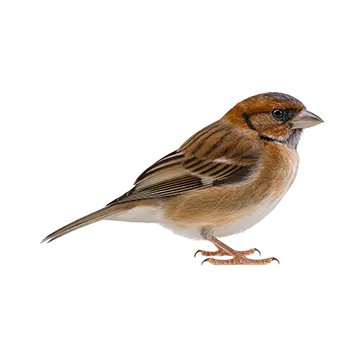

Adult Society Finches typically reach full maturity around four to five months of age and remain in their prime through approximately four to five years, depending on genetics and quality of care. During this period, these small birds are at their most resilient, active, and socially engaged. The keeper's primary responsibility during the adult years is to maintain the environmental and dietary conditions that support continued good health.
A healthy adult Society Finch displays bright, tight plumage with a clean, glossy appearance. The eyes should be clear and alert, the beak smooth and properly aligned, and the feet free of scales, sores, or overgrown nails. The bird should be active during daylight hours, engaging in singing, preening, bathing, foraging, and social interactions with its flock mates. Any sustained deviation from these baseline behaviors may indicate a health concern.
Routine health maintenance includes monitoring body weight on a weekly basis using a precision gram scale. Adult Society Finches typically weigh between 15 and 20 grams, and a weight change of more than 10 percent in either direction warrants investigation. Because finches are prey animals that instinctively hide signs of illness, weight monitoring is often the earliest and most reliable indicator of developing health problems.
An annual wellness check with an avian veterinarian is recommended even for apparently healthy birds. These visits allow for fecal parasite screening, physical examination, and early detection of conditions such as fatty liver disease, respiratory infections, or reproductive abnormalities. Establishing a relationship with an avian-qualified veterinarian before an emergency arises ensures that expert care is available when it is most needed.