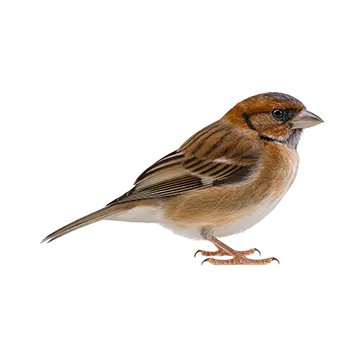

Society Finches, like most small prey animals, are adept at concealing signs of illness and decline. This survival instinct, which serves them well in the wild, makes it challenging for keepers to recognize when a bird is approaching the end of its life. Learning to read the subtle signs of terminal decline is an important part of responsible bird ownership and allows the keeper to make informed, compassionate decisions about care.
One of the earliest indicators of serious decline is a sustained loss of interest in food. A finch that picks at its seed without actually eating, or that stops visiting the food station entirely, is in trouble. Weight loss often accompanies reduced appetite, and a bird that feels noticeably lighter when handled or that shows a prominent keel bone has lost significant body mass. In a species as small as the Society Finch, even a few grams of weight loss represents a substantial percentage of total body weight.
Postural changes are another important indicator. A finch that sits with its feathers persistently fluffed, its eyes partially or fully closed during waking hours, or that tucks its head into its back feathers during the day is showing signs of significant discomfort or systemic failure. Sitting on the cage floor rather than perching is a particularly concerning sign, as healthy finches virtually always prefer elevated perching positions.
Respiratory distress in a dying finch may present as rapid or labored breathing, tail bobbing in rhythm with each breath, open-mouth breathing, or audible clicking or wheezing sounds. These symptoms can indicate end-stage respiratory infection, organ failure, or fluid accumulation in the body cavity. While some respiratory conditions are treatable if caught early, by the time breathing difficulty becomes obvious, the underlying condition may be too advanced for effective intervention.