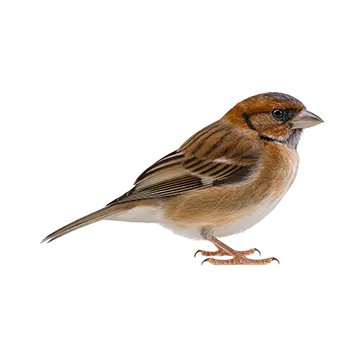

The First 24 Hours

Society Finch chicks hatch after approximately 13 to 15 days of incubation, emerging as tiny, featherless, and completely helpless hatchlings. Their eyes are sealed shut and their skin is translucent, revealing the outline of developing organs beneath. During these first critical hours, the chicks are entirely dependent on their parents for warmth and nourishment, and the keeper's primary role is to ensure the parents are undisturbed and comfortable in their nesting environment.

Resist the urge to handle the chicks or inspect the nest too frequently during the first day. Society Finches are known for being exceptional foster parents and attentive caregivers, but excessive disturbance can cause stress that leads to nest abandonment. A brief visual check from a distance is sufficient to confirm that the parents are settling onto the chicks and that no hatchlings have been pushed out of the nest.

The nest should be positioned in a quiet corner of the cage, away from drafts and direct sunlight. Ambient room temperature should be kept steady between 70 and 80 degrees Fahrenheit. If the parents are first-time breeders, monitor their behavior closely for signs that they are feeding the chicks. You may hear faint peeping sounds from hungry hatchlings, which is a normal and healthy sign that the chicks are alert and requesting food.

If a chick is found outside the nest and feels cool to the touch, gently return it using a small spoon or clean fingers. Warming it briefly in cupped hands before placing it back can help revive a chilled hatchling. However, if the parents repeatedly eject a chick, it may indicate a health issue with that individual, and consultation with an avian veterinarian is advisable.

Feeding & Parental Nutrition

Newborn Society Finch chicks are fed by their parents through regurgitation. The parents consume seeds and soft foods, partially digest them, and deliver this nutrient-rich crop milk directly into the gaping mouths of their young. During this stage, it is essential to provide the parent birds with an enriched diet that supports the high nutritional demands of feeding a clutch of chicks.

In addition to their regular seed mix, offer egg food daily. Egg food is a protein-rich supplement that can be purchased commercially or prepared at home by hard-boiling an egg, mashing it finely with the shell included for calcium, and mixing it with a small amount of dry bread crumbs. This food should be replaced every few hours to prevent spoilage, especially in warm environments.

Fresh greens such as finely chopped spinach, dandelion leaves, or broccoli florets provide additional vitamins and minerals that support chick development. Sprouted seeds are another excellent supplement, as the germination process increases the bioavailability of nutrients and makes the seeds easier for the parents to process and feed to their young.

Fresh water must be available at all times, and it should be changed at least twice daily to maintain cleanliness. Some breeders add a liquid vitamin supplement to the water during the rearing period, though this should be done carefully and according to product directions. A cuttlebone or mineral block in the cage ensures the parents have access to calcium, which is critical for both their own health and the skeletal development of the growing chicks.

If the parents appear to be neglecting feeding duties or if chicks are not showing crop fullness after the first 24 hours, hand-feeding may become necessary. This requires specialized hand-rearing formula and appropriately sized feeding instruments, and should ideally be guided by an experienced avian breeder or veterinarian.

Developmental Milestones

Society Finch chicks develop rapidly in their first weeks of life. By day two or three, a light covering of down begins to appear across their bodies, providing a thin layer of insulation. Pin feathers start to emerge around day five to seven, initially appearing as small, dark shafts breaking through the skin along the wings and back.

By the end of the first week, the chicks have nearly doubled in size from their hatching weight. Their legs are gaining strength, and while they cannot yet stand, they are able to shift positions within the nest and orient themselves toward the warmth of their siblings and parents. Their peeping becomes louder and more insistent during feeding times, which is a reliable sign of healthy development.

The eyes typically begin to open around day six to eight, though full vision takes a few additional days to develop. Once the eyes are open, the chicks become more reactive to movement and light outside the nest. Feather development accelerates during the second week, with contour feathers replacing the early pin feathers and the chick beginning to take on a recognizable plumage pattern.

By day 18 to 21, the chicks are nearly fully feathered and beginning to perch on the edge of the nest. They may make short, clumsy flights or hops to nearby perches within the cage. This period marks the transition from the newborn phase into the fledgling stage, and the cage environment should be prepared accordingly with low perches and accessible food and water stations.

Temperature & Nest Environment

Maintaining an appropriate thermal environment is one of the most critical aspects of newborn Society Finch care. Hatchlings are unable to regulate their own body temperature for the first week of life and rely entirely on the brooding behavior of their parents and the insulation of the nest. The room temperature should be kept between 70 and 80 degrees Fahrenheit, and the cage should be positioned away from windows, exterior doors, air conditioning vents, and any other sources of drafts or temperature fluctuation.

The nest itself should be a small, enclosed structure such as a woven bamboo nest or a wooden nest box. Line it with soft nesting material such as clean, pesticide-free grass, coconut fiber, or commercially available nesting fiber. Avoid cotton or string-based materials, as these can wrap around tiny legs and toes, causing constriction injuries. The parents will typically arrange the nesting material to their liking, so provide extra material in the cage for them to add as needed.

Humidity plays an important role in chick health during the early days. Excessively dry air can lead to dehydration and difficulty shedding egg membranes for late-hatching chicks. If you live in a dry climate or use forced-air heating, consider placing a shallow dish of water near the cage or using a room humidifier to maintain ambient humidity around 50 to 60 percent.

Keep the cage lighting on a consistent schedule of approximately 12 to 14 hours of light per day. Sudden changes in the light cycle can stress the parent birds and disrupt their brooding and feeding routines. If the cage is in a room with variable natural light, a low-wattage full-spectrum lamp on a timer can provide a stable photoperiod.

Early Socialization

Society Finches earn their common name through their remarkably social and communal nature, and this trait begins to manifest even during the earliest days of life. In a colony setting, it is not uncommon for multiple pairs to assist in brooding and feeding duties, with non-parent birds helping to warm and care for chicks that are not their own. This cooperative rearing behavior is one of the defining characteristics of the species and generally benefits chick survival rates.

During the first two weeks, socialization is largely passive and occurs naturally within the nest. The chicks learn to recognize the sounds and movements of their parents and cage mates. They develop an awareness of the daily rhythms of the aviary, including feeding times, vocalizations, and activity patterns. This early auditory and tactile exposure lays the foundation for their social behavior as adults.

Once the chicks begin to open their eyes and feather out, they become more aware of their surroundings. At this stage, gentle and brief exposure to human presence can begin. Simply sitting near the cage and speaking softly allows the chicks to associate human activity with safety rather than threat. However, Society Finches are primarily a companion-bird species that bonds with other finches rather than with humans, so the goal of socialization is comfort with human proximity rather than tameness.

If the chicks are being raised in a mixed-species aviary, ensure that the other inhabitants are peaceful and non-aggressive. Larger or more dominant birds can pose a threat to vulnerable chicks, particularly once they begin to fledge and leave the safety of the nest. Providing ample space and multiple feeding stations helps reduce competition and territorial behavior during this sensitive developmental window.

Health Screening & Veterinary Visits

The first veterinary assessment for Society Finch chicks is ideally scheduled once they have fledged and are beginning to eat independently, typically around three to four weeks of age. However, any chick that fails to thrive, shows signs of labored breathing, has discharge from the eyes or nostrils, or is significantly smaller than its clutch mates should be evaluated by an avian veterinarian as soon as possible.

Common health concerns in newborn finches include bacterial and fungal infections, particularly candidiasis, which can affect the crop and digestive tract. Symptoms include a distended or slow-emptying crop, white patches in the mouth, and lethargy. These infections are often related to unsanitary nest conditions or contaminated food, making cage hygiene a critical component of preventive care.

Parasitic infections can also affect young finches, especially in colony or aviary settings. Air sac mites are a particular concern in finch species, causing breathing difficulties that may present as tail bobbing, open-mouth breathing, or clicking sounds during respiration. Early detection and treatment are essential, as these conditions can progress rapidly in small birds with high metabolic rates.

Keep a close eye on the growth rates of all chicks in the clutch. While some variation in size is normal, a chick that consistently fails to gain weight or that loses weight after an initial growth period may be suffering from an underlying illness or may not be receiving adequate nutrition from the parents. Weighing chicks daily on a gram-scale during the first two weeks provides valuable data for tracking development and identifying potential problems early.

When to Worry

Caring for newborn Society Finch chicks requires a balance between attentive observation and minimal intervention. However, there are certain warning signs that indicate a problem requiring immediate action. Recognizing these signs early can mean the difference between a successful outcome and the loss of a chick.

A chick that is consistently cold to the touch, even when nestled among its siblings, may be suffering from hypothermia or an underlying systemic illness. Healthy chicks should feel warm when gently touched and should respond to contact with movement or vocalizations. A limp, unresponsive chick needs immediate warming and may require emergency veterinary care.

Refusal to feed or inability to feed is another serious red flag. If a chick's crop remains empty for extended periods despite the parents being present in the nest, intervention is necessary. Check that the parents are actively feeding by observing the nest from a distance for signs of regurgitation behavior. If the parents are feeding the other chicks but ignoring one, that chick may need to be hand-fed or placed with a foster pair.

Abnormal droppings, including those that are excessively watery, discolored, or absent entirely, can signal digestive problems or infection. Healthy finch chick droppings consist of a small, firm dark portion and a white urate component. Any persistent deviation from this pattern warrants closer attention and possibly a veterinary fecal examination.

Finally, if a parent bird becomes ill, injured, or dies during the rearing period, the remaining parent or a foster pair must be able to take over feeding duties without delay. Society Finches are well known for readily adopting chicks from other pairs, making them invaluable in a breeding program. Having additional bonded pairs available as potential foster parents is a wise precaution for any serious breeder.

Always consult a qualified professional before making any health-related decisions. This content is provided for informational reference only and should not replace professional guidance specific to your animal.