
Growth & Physical Development

The juvenile period for Society Finches begins when the chicks leave the nest, typically around 18 to 21 days of age, and extends through to full adult plumage and independence at roughly eight to ten weeks. During this phase, the young birds undergo dramatic physical changes as they transition from clumsy, partially feathered fledglings into agile, fully developed finches.

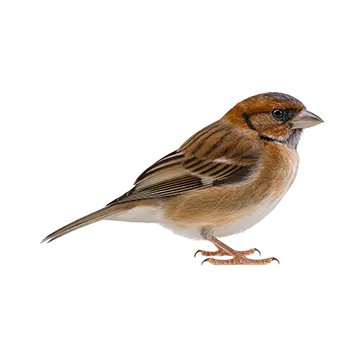
Fledglings initially appear somewhat disheveled compared to their sleek adult counterparts. Their plumage may be patchy, with some areas still showing downy feathers while contour feathers continue to fill in. The beak color in juvenile Society Finches is typically darker than the adult coloring and will gradually lighten over the coming weeks. Leg color and eye ring appearance also continue to mature during this period.

Weight gain should be steady and consistent throughout the juvenile stage. A healthy fledgling Society Finch weighs approximately 12 to 15 grams at the time of leaving the nest and will reach its adult weight of around 15 to 20 grams over the following weeks. Regular weighing on a precision gram scale helps track development and identify any growth stalls that might indicate nutritional deficiencies or underlying health issues.

Flight ability develops rapidly once the chicks leave the nest. Initial flights are short, ungainly, and often end with awkward landings on the cage floor or walls. Within a few days, the young birds gain coordination and strength, learning to navigate perches, food stations, and the general geography of their enclosure with increasing confidence.

Nutrition & Weaning

Weaning is one of the most critical transitions in a young Society Finch's life. Although fledglings begin to explore solid food shortly after leaving the nest, they continue to beg for and receive regurgitated food from their parents for an additional two to three weeks. This overlap period is essential, as the young birds are learning to crack seeds and consume food independently while still relying on parental feeding for the bulk of their caloric intake.

To encourage independent feeding, scatter a high-quality finch seed mix on the cage floor near where the fledglings spend most of their time. Young birds often begin by picking at and mouthing individual seeds before mastering the hull-cracking technique. Millet sprays hung at a low height are particularly attractive to fledglings and provide both a food source and an engaging foraging activity.

Soft foods play a vital role during the weaning period. Continue offering egg food daily, as its crumbly texture is easier for young birds to manage than hard seeds. Finely chopped fresh vegetables and greens, sprouted seeds, and moistened pellets all provide accessible nutrition while the fledglings develop their seed-cracking skills. Remove uneaten soft foods within a few hours to prevent bacterial growth.

Fresh water should be provided in shallow dishes rather than deep containers to prevent drowning. Juvenile finches are curious and sometimes clumsy, and a fledgling that falls into a deep water dish may become waterlogged and chilled before it can escape. Water tube dispensers with small openings are a safer alternative once the birds have learned to use them.

A fledgling is considered fully weaned when it is consistently eating on its own and its crop is full without parental feeding. This typically occurs around five to six weeks of age. At this point, the parents may begin to discourage begging behavior, and the young birds can be separated into their own enclosure if needed.

Behavioral Development

Juvenile Society Finches are energetic, curious, and increasingly social during this developmental stage. Their behavior shifts from the passive dependency of the nestling phase to active exploration, play, and early social learning. Observing their behavioral development provides valuable insight into their overall health and well-being.

Fledglings often engage in play behaviors that mimic adult activities. They may practice preening their own feathers, attempt to preen their siblings, or engage in hopping and short flight chases around the cage. These activities build physical coordination and social bonds that will serve them throughout their lives. Mutual preening among clutch mates is a particularly encouraging sign of healthy social development.

Vocalization begins to develop during the juvenile period. Young males may start practicing subsong, a quiet and somewhat disorganized version of the adult male's song. This early vocal practice is an important part of song learning in Society Finches, as males typically learn their songs by listening to adult males in their environment. Females produce simpler call notes, though distinguishing sex by vocalization alone can be unreliable until the birds are several months old.

Some juvenile finches may display brief episodes of fearfulness or skittishness, particularly in response to sudden movements, loud noises, or unfamiliar objects. These reactions are normal developmental responses and typically diminish as the birds gain confidence and experience. Maintaining a calm, consistent environment during this period helps build resilience and reduces stress-related behaviors.

Housing & Cage Setup

As juvenile Society Finches become more mobile and active, their housing needs evolve. The cage should be spacious enough to allow for flight practice, as developing strong flight muscles and coordination is essential during this growth stage. A minimum cage size of 24 inches long by 16 inches wide by 18 inches tall is recommended for a small group of juvenile finches, though larger is always better.

Perch placement should accommodate the varying skill levels of young birds. Include a mix of perch heights, starting with some placed low in the cage for fledglings that are still developing their flight and perching abilities. Natural wood perches of varying diameters are preferable to smooth dowel rods, as they promote healthy foot development and provide a more comfortable grip for growing feet.

The cage floor should be lined with clean paper or a suitable substrate that allows for easy monitoring of droppings. Avoid loose substrates like sand or corn cob bedding, as curious juveniles may ingest these materials, leading to crop impaction. Droppings should be checked daily for consistency, color, and volume as part of routine health monitoring.

Food and water stations should be easily accessible from multiple locations within the cage. Juvenile finches are still learning to navigate their environment, and having resources available at various heights ensures that even the least coordinated fledglings can eat and drink without difficulty. Avoid placing food or water directly beneath perches where they can become contaminated with droppings.

Exercise & Exploration

Physical activity is essential for juvenile Society Finches as they build the muscle strength, coordination, and endurance they will rely on throughout their lives. Unlike some pet bird species, finches are not typically handled or trained for out-of-cage exercise. Instead, their physical development depends on the quality and size of their flight space.

A flight cage or aviary environment provides the ideal setting for juvenile finches to practice sustained flight. Short bursts of flight between perches strengthen wing muscles and improve agility, while longer flights across the length of the enclosure build cardiovascular fitness. If space permits, housing juvenile finches in a flight cage during this developmental period offers significant benefits for their long-term physical health.

Enrichment items encourage exploration and mental stimulation. Swings, ladders, and hanging toys give young finches opportunities to climb, balance, and investigate new objects. Rotating these items periodically prevents habituation and maintains the birds' interest. Natural branches with attached leaves or seed heads provide foraging opportunities that engage the birds' natural behaviors.

Bathing is an important activity that most juvenile finches discover during this stage. Provide a shallow bath dish with clean, room-temperature water. Many finches will eagerly splash and bathe, which helps maintain feather condition and encourages natural preening behavior. Bathing also appears to be a social activity, with multiple birds often bathing together in a group.

Health Monitoring

Juvenile Society Finches are vulnerable to a range of health issues as their immune systems are still developing. Consistent monitoring and prompt attention to any changes in behavior, appearance, or droppings can prevent minor issues from becoming serious or fatal conditions.

Air sac mites remain a significant concern during the juvenile period. Young finches are particularly susceptible to infestation, which can cause progressive respiratory distress. Listen for clicking or wheezing sounds, especially at night when the cage is quiet. Tail bobbing, labored breathing, and reduced activity are all warning signs that warrant immediate veterinary evaluation. Treatment is effective when caught early but becomes more difficult as the infestation progresses.

Feather development should be monitored for signs of abnormality. Retained feather sheaths, bald patches that fail to fill in, or feathers that appear brittle and malformed may indicate nutritional deficiencies, particularly in protein, amino acids, or essential vitamins. Adjusting the diet and consulting with an avian veterinarian can help address these issues before they become chronic.

Watch for signs of gastrointestinal distress, including puffed-up posture, decreased appetite, and changes in dropping consistency. Bacterial and yeast infections of the digestive tract are relatively common in young finches, particularly during the weaning period when they are exposed to new food sources and environmental bacteria. Maintaining rigorous hygiene standards in the cage, including daily cleaning of food and water dishes and regular substrate changes, significantly reduces the risk of infection.

Socialization & Flock Integration

Society Finches are among the most gregarious of all pet bird species, and the juvenile period is when their social instincts fully emerge. Properly socializing young finches during this stage establishes the foundation for their lifelong behavior within a flock, whether in a small cage setting or a larger aviary community.

Clutch mates typically form strong bonds during the juvenile period, and keeping siblings together during this developmental stage is beneficial for their social development. They learn flock dynamics, establish gentle hierarchies, and develop the communal behaviors that make Society Finches such rewarding aviary birds. Separating siblings prematurely can cause stress and lead to behavioral issues such as excessive calling or feather plucking.

Introducing juvenile finches to an established adult flock should be done gradually and with careful observation. Place the juvenile birds in a separate cage within visual and auditory range of the existing flock for several days before attempting a full introduction. This allows both groups to become accustomed to each other without the stress of direct physical interaction. When the juveniles are introduced into the shared space, provide ample perching, feeding, and bathing stations to minimize competition and territorial disputes.

Monitor newly integrated juveniles closely for signs of bullying or exclusion by adult birds. While Society Finches are generally peaceful, individual birds may occasionally display territorial behavior, particularly around preferred perching or nesting spots. If a juvenile is being persistently chased or denied access to food and water, it may need to be removed and reintroduced after a longer acclimation period.

The juvenile period is also an appropriate time to assess the sex ratio of the flock if breeding is not desired. Males and females housed together will inevitably attempt to breed once they reach sexual maturity, which occurs as early as three to four months of age. If breeding is not planned, separating the sexes before maturity or removing nesting materials and nest boxes can help prevent unwanted reproduction.

Always consult a qualified professional before making any health-related decisions. This content is provided for informational reference only and should not replace professional guidance specific to your animal.