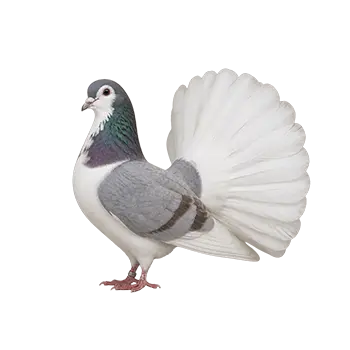

Fantail Pigeons typically begin showing signs of aging somewhere between five and seven years, though individual variation is substantial and influenced by genetics, lifelong nutrition, disease history, and overall husbandry quality. Unlike mammals that gray or develop obvious facial changes with age, pigeons age in subtler ways that require an attentive keeper to detect. Recognizing the transition into seniorhood allows you to make timely adjustments to care that can significantly extend both the duration and quality of the bird's remaining years.
One of the earliest signs of aging in Fantail Pigeons is a gradual decline in activity level. A bird that was once among the first to fly down to the feed station or that actively patrolled its territory may become noticeably more sedentary, spending longer periods perched quietly. This reduced activity is often accompanied by a subtle shift in body posture. The tail fan, which a healthy adult carries proudly upright, may begin to droop slightly as the muscles supporting it lose tone. The bird's overall stance may become lower and less erect.
Plumage changes accompany the aging process. The annual molt may take longer to complete in a senior bird, and the quality of incoming feathers may decline. New feathers may appear duller, thinner, or more brittle compared to the rich, full plumage of the bird's prime years. Some senior Fantails develop scattered white or faded feathers that were not present in younger plumage, particularly around the head and neck. These changes are cosmetic and do not indicate illness, but they are useful markers that the bird has entered a new life phase.
Reproductive capacity typically wanes during the senior years. Hens may produce fewer clutches, lay thinner-shelled or irregularly shaped eggs, or cease laying altogether. Cocks may show diminished courtship intensity and reduced fertility. While these changes are natural, they can also mask underlying health issues. A sudden cessation of laying in a hen that was still reproductively active, or a dramatic behavioral change in a cock, warrants veterinary evaluation to rule out reproductive tract disorders, nutritional deficiencies, or systemic illness rather than simply attributing the change to age.
The immune system undergoes a gradual decline with age, a process known as immunosenescence. Senior Fantails may become more susceptible to infections that they previously resisted, recover more slowly from illness or injury, and respond less robustly to vaccinations. This increased vulnerability means that preventive health measures, loft hygiene, and stress reduction become even more important during the senior years than they were during the bird's prime.