
Selecting Breeding Pairs

Successful Fantail Pigeon breeding begins long before the first egg is laid, with the thoughtful selection of breeding pairs that complement each other in type, health, and temperament. Because the Fantail is an ornamental breed judged primarily on its tail carriage, feather count, body type, and overall deportment, pair selection must balance aesthetic goals with genetic health and vigor. Breeding strictly for appearance without regard to constitution produces birds that may win on the show bench but suffer from diminished vitality and fertility.

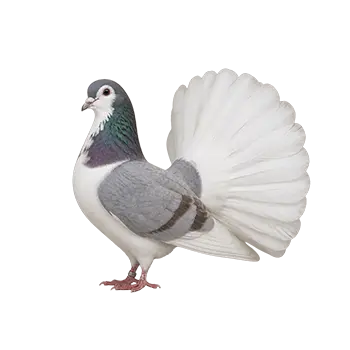
Evaluate each prospective breeder against the breed standard for Fantail Pigeons. The ideal Fantail carries its tail in a high, broad fan with the individual rectrices overlapping smoothly and symmetrically. The body should be compact and rounded, with a short neck carried slightly back over the cushion, the mound of soft feathers that supports the tail base. The chest should be broad and prominent, the legs of moderate length, and the carriage upright and proud. Select birds that exhibit these qualities strongly while avoiding the temptation to breed from birds with extreme features, such as excessively high tail carriage that forces the head backward to the point of impaired balance, as extremes often come at the cost of functionality.

Health screening before breeding is a non-negotiable step. Both the cock and the hen should be in peak physical condition, at their ideal weight, free from any signs of illness, and current on parasite control. A veterinary examination that includes fecal analysis, crop swab, and ideally blood work establishes that each bird is healthy enough for the demands of breeding, which are substantial, particularly for the hen. Birds with chronic conditions, recurring infections, or poor body condition should not be bred, as the physical stress of reproduction can exacerbate existing problems and produce weakened offspring.

Age considerations influence breeding decisions. Fantail Pigeons reach sexual maturity at approximately five to seven months of age, but most experienced breeders prefer to wait until the birds are at least eight to twelve months old before pairing them for the first time. Young birds that breed too early may produce infertile or thin-shelled eggs, and hens that are still growing when they begin laying are at increased risk of egg binding and calcium depletion. At the other end of the spectrum, birds over six or seven years of age may have declining fertility and should be retired from breeding to protect their health.

Compatibility between the cock and hen matters beyond genetics. Pigeons that are paired involuntarily, placed together in a breeding pen without time to establish a bond, may refuse to mate, fight, or produce infertile eggs. Whenever possible, allow prospective pairs to court naturally in a shared space before confining them to a breeding pen. Signs of a successful bond include mutual preening, nest-calling behavior from the cock, and the hen soliciting or accepting the cock's advances. If a pair fails to bond after a reasonable period of two to three weeks, consider alternative pairings rather than forcing a reluctant match.

Courtship & Mating Behavior

Fantail Pigeon courtship is one of the most visually striking displays in the domestic pigeon world. The cock's fan-shaped tail, spread to its maximum breadth during courtship, transforms a behavior common to all pigeons into something uniquely spectacular. Understanding the stages and signals of courtship helps breeders assess pair compatibility, identify optimal mating timing, and recognize behavioral abnormalities that may indicate health or welfare concerns.

The courtship sequence typically begins with the cock's driving display. He approaches the hen with rapid, mincing steps, puffing his chest, lowering his head, and emitting a deep, rhythmic cooing. The tail fan is spread wide and held high, creating a dramatic backdrop that is the defining visual element of Fantail courtship. The cock circles the hen, bowing repeatedly, and may intersperse his cooing with sharp wing claps produced by snapping his wings together above his body during brief leaps. This display serves both to attract the hen and to declare the cock's territorial claim to other males in the vicinity.

The hen's response to courtship determines whether the pair will progress to mating. A receptive hen allows the cock to approach closely, may return his cooing with softer vocalizations, and eventually crouches in a solicitation posture with her body lowered, wings slightly spread, and tail lifted. A hen that is not receptive will move away, peck at the cock, or raise her wings in a defensive posture. Persistent rejection by the hen over multiple days suggests incompatibility, and the breeder should consider offering alternative pairings rather than prolonging a clearly unsuccessful match.

Nest site selection follows successful pair bonding. In a breeding loft equipped with nest boxes, the cock will claim a box by entering it, cooing insistently, and turning in circles while calling to the hen. Once the hen enters and accepts the site, both birds begin carrying nesting material to the box. Providing appropriate nesting material, such as pine needles, dried tobacco stems, or commercially available nesting fibers, encourages nest building. The cock typically gathers material while the hen arranges it in the bowl. The quality and completeness of the nest varies among pairs, and some Fantails are more diligent nest builders than others.

Mating occurs multiple times over several days leading up to the laying of the first egg. Copulation in pigeons is a brief event lasting only a few seconds, with the cock mounting the hen's back and the pair pressing their cloacae together for sperm transfer. Multiple matings increase the likelihood of full clutch fertility. The breeder need not intervene in the mating process under normal circumstances, but should note the approximate dates of observed mating to predict the laying and hatching timeline.

Egg Laying & Incubation

Fantail Pigeon hens typically lay two eggs per clutch, deposited on consecutive days with the first egg appearing approximately eight to twelve days after the initial mating. The eggs are small, white, and smooth-shelled, weighing roughly 18 to 22 grams each. The hen generally lays the first egg in the late afternoon or evening and the second egg approximately 44 to 48 hours later. Full incubation does not begin until the second egg is laid, which helps ensure that both eggs hatch within a close time frame.

Incubation is shared between both parents, a cooperative arrangement that is characteristic of pigeons and distinguishes them from many other bird families. The hen typically sits during the night and into the late morning, while the cock takes over during the midday and afternoon hours. This division allows each bird time off the nest to eat, drink, bathe, and exercise. The total incubation period for Fantail Pigeon eggs ranges from 17 to 19 days, with 18 days being the most common duration. Temperature consistency during incubation is critical, and the eggs must not be left unattended for extended periods, particularly during cold weather.

Candling the eggs at approximately seven to ten days into incubation allows the breeder to assess fertility and embryonic development. Hold each egg gently against a bright, focused light source in a darkened room. A fertile, developing egg will show a network of blood vessels radiating from a dark central embryo, while an infertile egg appears clear or shows only a uniformly opaque yolk. Eggs that are clearly infertile can be removed from the nest, which allows the pair to begin a new breeding cycle sooner rather than continuing to incubate non-viable eggs.

Egg care during incubation involves minimal direct intervention. The nest bowl should be checked periodically for cleanliness and structural integrity, but avoid disturbing the sitting bird unnecessarily. Some breeders gently turn the eggs by hand if they suspect the parents are not rotating them adequately, though this is rarely necessary with attentive parent birds. If an egg is accidentally cracked but the membrane remains intact, it may still hatch, but should be monitored closely for bacterial contamination that can enter through the damaged shell.

Environmental conditions in the breeding loft during incubation should be kept stable. Temperature extremes, drafts, excessive noise, and disturbances from other birds or from the keeper can cause the parents to abandon the nest. Maintain the loft at a comfortable temperature, ensure adequate but not excessive ventilation, and minimize unnecessary activity near the breeding section. Pairs that are breeding for the first time may be more easily disturbed than experienced parents, and particular care should be taken to provide them with a calm environment during their initial incubation attempt.

Fostering & Cross-Fostering

Fostering is a common and sometimes essential practice in Fantail Pigeon breeding. The breed's ornamental features, particularly the elaborate tail structure and the short, erect body carriage, can occasionally interfere with the practical demands of parenting. Some Fantail pairs are less attentive or less capable parents than breeds that have retained stronger parental instincts, and in these situations, fostering squabs to more reliable parent birds ensures the survival of valuable offspring.

The most common fostering scenario involves transferring Fantail eggs or newly hatched squabs to a foster pair of a different pigeon breed known for strong parental behavior. Homer pigeons, Modenas, and various utility breeds are frequently used as fosters because of their robust parental instincts, reliable incubation habits, and copious crop milk production. The foster pair should be at the same stage of their own breeding cycle as the Fantail pair, ideally sitting on eggs that are due to hatch within a day or two of the Fantail eggs, so that their crop milk production is properly synchronized with the squabs' needs.

Timing is critical when transferring eggs or squabs. If transferring eggs, the swap is best performed when both pairs are at approximately the same point in incubation. Remove the foster pair's eggs and replace them with the Fantail eggs in a single, quick exchange performed while the sitting bird is off the nest. Most pigeon breeds accept substituted eggs without hesitation if the swap is performed cleanly. Mark the Fantail eggs with a small, non-toxic pencil mark to distinguish them from any original eggs that may remain in the nest.

Cross-fostering newly hatched squabs follows a similar principle. The foster pair's own squabs, if any, are removed and the Fantail squabs are placed in the foster nest. Again, synchronizing the age of the squabs with the foster parents' feeding cycle is essential. A pair whose crop milk production has already transitioned to regurgitated seed will not adequately nourish a day-old squab that needs pure crop milk. If the ages do not align precisely, placing the Fantail squabs with a foster pair that hatched their own young one to two days earlier is preferable to placing them with a pair whose squabs are significantly older.

Breeders who rely regularly on fostering should maintain a dedicated flock of foster pairs that are managed on a coordinated breeding schedule. This ensures that foster parents at the appropriate stage are always available when Fantail eggs hatch. The welfare of the foster birds themselves must not be overlooked. Foster pairs should be given adequate recovery time between breeding cycles and should not be pushed to raise more than three or four clutches per season, as continuous breeding depletes their physical reserves and can compromise their own health.

Genetic Considerations

Breeding Fantail Pigeons with intention and knowledge requires at least a working understanding of the genetic principles that govern the breed's defining traits. The Fantail's most conspicuous feature, its expanded tail feather count, is a polygenic trait, meaning it is influenced by multiple genes acting together rather than by a single gene with a simple dominant-recessive pattern. This makes predicting offspring tail feather counts less straightforward than predicting traits controlled by single genes, but certain principles guide informed breeding decisions.

Tail feather count in Fantails ranges widely, from as few as 24 in birds at the lower end of breed standard to 40 or more in exceptional specimens. Breeding two high-count parents together generally produces offspring with higher counts than breeding a high-count bird to a low-count bird, but the offspring's counts will typically regress somewhat toward the breed average rather than simply matching the higher parent. Consistent improvement in tail feather count over multiple generations requires selecting breeding stock that not only has high counts themselves but also comes from families with a history of high counts, indicating that the underlying genetic complex is well established.

Color genetics in Fantail Pigeons follow the same fundamental principles as in other pigeon breeds. The primary pigment genes, spread, dilution, grizzle, and others interact to produce the wide range of colors and patterns seen in the breed, including white, black, blue, silver, red, yellow, and various marked patterns. Understanding basic color inheritance helps breeders predict the color outcomes of specific pairings and avoid repeatedly producing colors that do not meet the breeder's goals or breed standard preferences.

Inbreeding is a tool used judiciously by experienced breeders to fix desirable traits but carries significant risks if overused. Mating closely related birds, such as father to daughter, mother to son, or sibling to sibling, concentrates both desirable and undesirable genes. Short-term benefits may include increased uniformity of type, but sustained close inbreeding leads to inbreeding depression, manifesting as reduced fertility, smaller clutch sizes, weaker immune function, and increased incidence of congenital defects. A responsible inbreeding program alternates generations of close mating with outcross pairings to unrelated or distantly related stock to maintain genetic diversity and hybrid vigor.

Record-keeping is the indispensable tool that transforms breeding from guesswork into a systematic endeavor. Maintain detailed pedigree records for every breeding pair and every offspring produced. Record parentage, hatch dates, band numbers, tail feather counts, color, body type scores, show results, and any health issues. Over several generations, these records reveal which pairings produce the best results, which family lines carry hidden faults, and which outcross sources consistently improve the flock. Without records, a breeder is starting from scratch with every pairing decision.

Managing the Breeding Season

The breeding season for Fantail Pigeons can be managed proactively by the keeper or allowed to follow the birds' natural reproductive rhythms. In temperate climates, domestic pigeons breed most actively from late winter through summer, stimulated by increasing day length. However, pigeons kept in temperature-controlled lofts with artificial lighting can potentially breed year-round, which raises important management questions about how many clutches to allow per season, how to time breeding to coincide with show schedules, and how to ensure that breeding birds receive adequate rest.

Most experienced Fantail breeders limit their pairs to three to five clutches per breeding season. Continuous, unrestricted breeding depletes the hen's calcium reserves, reduces egg quality, and eventually diminishes both parents' body condition and immune function. After the final desired clutch of the season, breeding can be curtailed by separating the sexes, removing nest boxes, or replacing real eggs with wooden or plastic dummy eggs that the pair will incubate fruitlessly until they lose interest and abandon the nest naturally.

Timing the breeding season to align with the show calendar is a common strategy among exhibitors. A breeder who wants young birds ready for autumn shows will pair birds in late winter or early spring, allowing the offspring to complete their juvenile development, undergo their first molt, and be in fresh adult plumage by the time the show season begins. This planning requires working backward from the target show dates, accounting for the approximately 18-day incubation period, five to six weeks of rearing, and three to four months of juvenile maturation and molting.

Banding the squabs within the first seven to ten days of life is an essential management practice during the breeding season. Closed bands, seamless metal rings that can only be placed on the squab's foot during a narrow developmental window before the foot grows too large, serve as permanent identification and proof of the bird's year of birth and breeder of origin. Band the squabs at approximately seven days of age by gently threading the three front toes through the band, sliding it over the rear toe, and pushing it up the leg until it sits loosely above the foot. Check the band daily for several days afterward to ensure it moves freely and is not constricting the growing foot.

The breeding loft itself requires heightened management during the active season. Nest box hygiene is paramount, as the combination of egg contents, crop milk, squab droppings, and nesting material creates an ideal environment for bacterial and fungal proliferation. Change nest bedding frequently, disinfect nest boxes between clutches, and monitor the loft environment for elevated ammonia levels or excessive humidity. A clean, well-ventilated breeding loft produces healthier squabs and reduces the disease burden on both parents and offspring.

Troubleshooting Breeding Problems

Even experienced Fantail Pigeon breeders encounter reproductive challenges that require diagnosis and intervention. Breeding failures can stem from a wide range of causes including nutritional deficiencies, age-related decline, disease, environmental stress, genetic incompatibility, and behavioral issues. A systematic approach to troubleshooting helps identify the underlying problem and guides appropriate corrective action.

Infertility is one of the most frustrating breeding problems. If eggs consistently fail to develop despite confirmed mating, the issue may lie with either the cock or the hen. Evaluate the cock's physical condition, body weight, and general health. Overweight cocks often have reduced fertility due to fat deposits around the reproductive tract. Similarly, a cock that has been overworked by breeding too many clutches in succession may have temporarily depleted sperm reserves. Resting the cock for four to six weeks and bringing him into optimal body condition before re-pairing often restores fertility. If the problem persists, veterinary evaluation including semen analysis may be warranted.

Egg binding, the inability of a hen to pass a fully formed egg, is a potentially life-threatening emergency. Signs include the hen sitting in a hunched posture on the nest or floor, straining visibly, appearing lethargic or distressed, and sometimes showing abdominal distension. Egg binding is most commonly caused by calcium deficiency, obesity, oversized eggs, or cold temperatures that cause the oviduct muscles to contract. Immediate first aid involves placing the hen in a warm, humid environment, such as a covered container placed near a heat source, and gently administering a few drops of liquid calcium supplement if available. If the egg is not passed within a few hours, veterinary intervention is necessary to prevent oviduct rupture or systemic infection.

Poor hatchability, where eggs are fertile and developing but fail to hatch, can have multiple causes. Insufficient humidity during incubation leads to excessive moisture loss through the eggshell, causing the embryo to become adhered to dry membranes and unable to break free. Inconsistent incubation temperature, whether from inattentive parents or loft temperature fluctuations, can kill developing embryos at various stages. Bacterial contamination entering through shell pores, often from a dirty nest, can cause embryonic death. Candling eggs that fail to hatch and performing post-mortem examination of dead-in-shell embryos can help identify the specific stage at which development ceased and point toward the most likely cause.

Parental failure, where parents abandon eggs or squabs or fail to feed adequately, presents another set of challenges. First-time parents are most commonly affected, and many pairs that fail with their first clutch improve significantly with subsequent attempts. Environmental disturbance, including construction noise, predator presence near the loft, and excessive keeper interference, is a common trigger for nest abandonment. Some individual birds simply lack strong parental instincts, a trait that may have a genetic component in breeds like Fantails that have been selected primarily for appearance rather than parental behavior. For consistently poor parents, fostering offspring to reliable foster pairs, as discussed earlier, is the most practical solution.

Reproductive tract infections in hens, including salpingitis and oviduct impaction, can cause cessation of laying, misshapen eggs, or systemic illness. A hen that was previously a reliable layer and suddenly stops producing eggs, or that begins laying soft-shelled, rough-shelled, or blood-stained eggs, should receive a veterinary examination. Chronic reproductive tract disease may require the bird's permanent retirement from breeding to protect her health.

Always consult a qualified professional before making any health-related decisions. This content is provided for informational reference only and should not replace professional guidance specific to your animal.