
Recognizing Terminal Decline

There comes a point in the life of every Fantail Pigeon when the decline associated with aging or disease progresses beyond what treatment and supportive care can meaningfully reverse. Recognizing this transition is one of the most difficult tasks a keeper faces, yet it is essential for ensuring that the bird's final days are managed with compassion and dignity rather than prolonged suffering. Terminal decline differs from the gradual aging changes discussed in the senior care stage in its trajectory. Where aging proceeds slowly over months and years, terminal decline is marked by an accelerating deterioration that does not stabilize or respond to intervention.

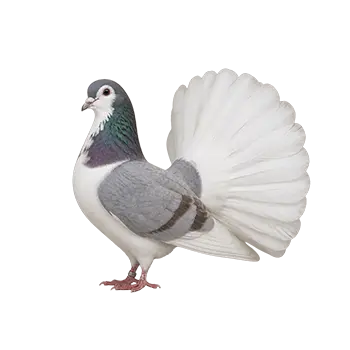
The signs of terminal decline are often an intensification of age-related symptoms that were previously manageable. Weight loss becomes progressive despite adequate food availability and assisted feeding efforts. The bird's body condition deteriorates visibly, with the keel bone becoming prominently sharp and the breast muscle wasting away. Plumage becomes increasingly unkempt as the bird loses the strength or inclination to preen. The tail fan, once carried with the characteristic upright pride of the breed, may droop or collapse entirely as muscle tone fails.

Behavioral changes provide some of the most telling indicators. A bird entering terminal decline typically withdraws from social interactions, seeking isolated corners of the loft or sitting motionless on the floor rather than engaging with flock mates or the keeper. Appetite diminishes or ceases entirely, and even favored foods fail to elicit interest. The bird may stop drinking independently, leading to dehydration that further accelerates the decline. Responsiveness to external stimuli, sounds, movement, human approach, fades, and the bird may appear to exist in a state of passive endurance rather than active engagement with its surroundings.

Physical indicators complement behavioral observations. Labored breathing, sometimes with open-beak respiration or audible rattling, suggests respiratory compromise or fluid accumulation. Droppings may become sparse, watery, or abnormally colored, reflecting organ failure. The feet and beak may feel cold to the touch as circulation deteriorates. The eyes may appear dull, sunken, or half-closed. Taken together, these signs form a pattern that an experienced keeper learns to read, though it is never easy to accept what they mean.

Consulting with a veterinarian at this stage provides professional confirmation of the bird's condition and helps the keeper make informed decisions about continuing care, comfort measures, and the timing of euthanasia if that becomes the most compassionate option. A veterinarian can assess whether any treatable condition is contributing to the decline or whether the bird has entered an irreversible terminal phase.

Hospice & Comfort Care

When a Fantail Pigeon's condition has been determined to be terminal, the goal of care shifts from cure to comfort. Hospice care for a pigeon focuses on minimizing pain, maintaining basic comfort, preserving dignity, and ensuring that the bird's remaining time is as free from distress as possible. The practical elements of hospice care are straightforward, but they require attentiveness, gentleness, and a willingness to prioritize the bird's needs above the keeper's own desire for more time.

Environmental comfort is the first priority. Move the bird to a quiet, warm, draft-free space away from the bustle of the main loft. A hospital cage or small enclosure lined with soft, clean toweling provides a secure environment. Maintain the temperature at the warmer end of the bird's comfort range, around 80 to 85 degrees Fahrenheit, as terminally ill birds lose the ability to thermoregulate effectively and often become cold. A covered heating pad set on low beneath one half of the enclosure allows the bird to move toward or away from the warmth as needed.

Nutrition and hydration should be offered but not forced. Place small amounts of the bird's preferred seeds within easy reach, and provide water in a shallow, stable container that the bird can access without exertion. If the bird is no longer eating or drinking independently, gentle assisted feeding with a soft syringe can provide small amounts of hydration and caloric support. However, it is important to distinguish between supportive feeding that provides comfort and forced feeding that causes stress. If the bird resists feeding, turns its head away, or shows signs of distress during assisted feeding, it may be time to stop and allow the natural process to proceed.

Pain management during hospice is ideally guided by a veterinarian. Several analgesic medications are safe and effective for use in pigeons, and a bird that appears to be in pain, grinding its beak, sitting with fluffed feathers and closed eyes, reluctant to move or be touched, deserves the relief that appropriate medication can provide. Discuss pain management protocols with your veterinarian, including dosing schedules and administration methods. Some medications can be mixed into drinking water, while others must be administered orally by syringe.

Social needs continue during hospice. If the dying bird has a bonded mate, allowing the mate to spend time nearby, either in the same enclosure if the mate is calm and gentle, or in an adjacent enclosure within visual and auditory range, can provide comfort to both birds. Observe the interaction carefully. If the mate is agitated, aggressive, or distressing the ill bird, separation is appropriate. The keeper's own quiet presence is often a source of comfort to a bird that has known human companionship throughout its life. Sitting near the bird, speaking softly, and offering gentle touch if the bird accepts it are meaningful acts of care during this stage.

The Euthanasia Decision

The decision to euthanize a beloved Fantail Pigeon is deeply personal and rarely easy, but it is sometimes the most compassionate choice available. Euthanasia spares a terminally ill bird from prolonged suffering when quality of life has deteriorated beyond what comfort care can meaningfully address. Making this decision thoughtfully, with veterinary guidance and honest self-reflection, is an act of responsible stewardship rather than a failure of care.

The quality-of-life framework discussed in the senior care stage provides a structured basis for evaluating whether euthanasia should be considered. When a bird can no longer eat or drink without distress, when it is in persistent pain that medication cannot adequately control, when it has lost the ability to maintain basic hygiene or mobility, and when it shows no signs of engagement with its environment or companions, the cumulative picture suggests that continued life is no longer serving the bird's interests. No single factor in isolation dictates the decision, but the overall pattern informs a judgment that the keeper is best positioned to make, in consultation with a veterinarian who knows the bird's medical history.

The logistics of avian euthanasia should be discussed with your veterinarian in advance so that the process is understood and can be arranged smoothly when the time comes. In most veterinary practices, euthanasia in birds is performed by injection of a barbiturate solution. The bird is first sedated with an injectable or gas anesthetic to ensure it is unconscious and free from pain before the euthanasia drug is administered. The process is rapid and painless. Some veterinarians offer home euthanasia services, which allows the bird to pass in the familiar environment of the loft or the keeper's home, avoiding the additional stress of transport to a clinic.

The timing of euthanasia is often the most agonizing aspect of the decision. Keepers frequently struggle with the fear of acting too soon, while the bird might still have some good days ahead, or too late, allowing the bird to suffer longer than necessary. Veterinary guidance is invaluable here, as an experienced avian veterinarian can provide an objective assessment of the bird's prognosis and likely trajectory. Many experienced keepers and veterinarians counsel that it is better to be a day early than a day late, erring on the side of preventing suffering rather than risking prolonging it.

Be prepared for the emotional weight of the decision, regardless of how clearly justified it may be on medical grounds. Grief, guilt, second-guessing, and profound sadness are all normal responses. Some keepers find it helpful to write down their reasons for the decision before it is carried out, creating a record that they can revisit if self-doubt arises afterward. The decision to end suffering is, at its core, a final act of the same love and care that defined the entire relationship.

After-Death Arrangements

Practical decisions about the disposition of a Fantail Pigeon's remains are best considered in advance, when they can be made calmly and thoughtfully rather than under the immediate burden of grief. Several options exist, each with its own practical considerations, and the right choice depends on personal preference, local regulations, and individual circumstances.

Home burial is a common choice among pigeon keepers who own property with adequate space. Select a location that is not near a water source, that is unlikely to be disturbed by digging animals, and that has sufficient soil depth for the remains to be covered by at least two feet of earth. Placing a layer of heavy stones or a paving slab over the burial site helps prevent scavenging. Check local ordinances, as some municipalities have regulations regarding the burial of animal remains on private property, particularly in urban and suburban areas.

Cremation is available through pet cremation services in most regions. Individual cremation, where the bird is cremated alone and the ashes are returned to the owner, allows the keeper to keep or scatter the remains as they wish. Communal cremation, where multiple animals are cremated together, is a less expensive alternative when the return of individual ashes is not desired. Some cremation services offer decorative urns, memorial keepsakes, or paw-print impressions adapted for bird feet. Your veterinarian can typically recommend a reputable pet cremation service in your area.

Necropsy, a post-mortem examination performed by a veterinarian, can provide valuable information about the cause of death, particularly when the bird's decline was sudden or the diagnosis uncertain. For breeders, necropsy findings can reveal hereditary conditions, infectious diseases, or environmental hazards that pose a risk to the remaining flock. The decision to request a necropsy is a practical one rather than an emotional one, and many keepers find that the information gained helps them protect their surviving birds and improve their husbandry practices.

Memorialization takes many forms and serves the important psychological function of honoring the relationship and marking the loss. Some keepers plant a tree, shrub, or flowering plant at the burial site. Others frame a photograph, preserve a feather, or create a written tribute. In the pigeon fancy community, sharing a memorial notice with fellow breeders and fanciers acknowledges the bird's contribution to the breed and the keeper's dedication to its care. There is no prescribed or correct way to memorialize a pigeon. What matters is that the keeper has an opportunity to acknowledge the significance of the bond and the reality of the loss.

The Grieving Process

The death of a Fantail Pigeon can provoke a depth of grief that surprises even experienced keepers. The bond between a keeper and a bird that has been cared for daily over many years, handled, groomed, admired, and worried over, is genuine and substantial. Dismissing or minimizing this grief, whether by oneself or by others, serves no constructive purpose. Allowing the grieving process to unfold naturally, without judgment or arbitrary timelines, is the healthiest approach.

Grief following the loss of a pet bird may manifest in many of the same ways as grief for any significant loss. Sadness, tearfulness, difficulty concentrating, changes in appetite or sleep patterns, and a pervasive sense of emptiness are all common and normal responses. Some keepers experience guilt, particularly if they question whether they made the right decisions about treatment or euthanasia timing. Others feel anger, directed at the disease, at the perceived inadequacy of veterinary options, or at the unfairness of the loss. All of these emotions are valid expressions of the bond that existed.

The social dimension of pet loss grief can be complicated. Not everyone in a keeper's life will understand the significance of losing a pigeon. Well-meaning comments like "it was just a bird" or "you can get another one" reflect a lack of understanding rather than intentional cruelty, but they can be deeply hurtful. Seek support from people who understand the keeper-bird bond, whether that is a fellow pigeon fancier, an online community of bird enthusiasts, a pet loss support group, or a therapist who specializes in bereavement. Sharing memories and feelings with people who appreciate the depth of the relationship provides validation and comfort.

The impact on surviving flock members deserves consideration as well. Pigeons are perceptive social animals, and the loss of a flock mate, particularly a bonded partner, can visibly affect the remaining birds. A surviving mate may vocalize more frequently, search the loft as if looking for the absent partner, show reduced appetite, or sit in the deceased bird's usual perch spot. These behaviors typically diminish over days to weeks as the surviving bird adjusts. Providing extra attention, maintaining routine, and eventually introducing a new companion if appropriate all support the surviving bird's adjustment.

The question of when or whether to acquire a new bird after a loss is entirely personal. Some keepers find that the empty space in the loft or the absence of a daily routine centered on the bird's care is unbearable, and they seek a new companion quickly. Others need weeks, months, or longer before they are ready to open their hearts to a new bird. Neither response is wrong. A new bird does not replace the one that was lost. It begins a new relationship with its own unique character, and the keeper who has loved and lost a Fantail Pigeon brings to that new relationship a depth of experience and empathy that enriches the bond from the very beginning.

The Impact on the Flock

The death of a Fantail Pigeon reverberates through the social structure of the loft in ways that may require the keeper's attention and management. Pigeons maintain complex social relationships, and the removal of an individual, whether through death, sale, or relocation, disrupts established pair bonds, territorial arrangements, and hierarchical positions. Understanding how flocks respond to the loss of a member helps the keeper anticipate and mitigate potential problems.

The most immediately affected bird is typically the deceased pigeon's bonded mate. Pigeon pair bonds are strong and enduring, and the surviving partner may exhibit pronounced signs of distress in the days following the loss. Increased vocalization, restless pacing, refusal to leave the shared nest site, and decreased appetite are common grief-like behaviors. The surviving bird should be monitored closely during this period to ensure that it continues to eat and drink and does not decline into a state of lethargy or illness triggered by the stress of bereavement.

Flock hierarchy may shift following the loss of a member, particularly if the deceased bird held a dominant position. Other birds may contest vacated perch sites, nest boxes, or feeding positions, leading to a temporary increase in aggressive encounters. This reshuffling is a normal part of flock dynamics and typically resolves within a week or two as a new equilibrium is established. The keeper can minimize conflict by ensuring that resources, especially perches, nest sites, and feeding stations, are abundant enough that competition does not become intense.

Introducing a new bird to fill the social gap left by the deceased Fantail requires careful management. Quarantine any new bird for a minimum of two to four weeks before introducing it to the loft population, regardless of its apparent health. This protects the existing flock from diseases that the newcomer may be carrying asymptomatically. After quarantine, introduce the new bird gradually, initially housing it within sight and sound of the existing flock in an adjacent enclosure before allowing physical contact. This phased introduction reduces aggression and allows the existing birds to accept the newcomer at their own pace.

For keepers who maintain a small flock or who have lost their only pigeon, the question of whether to continue keeping birds at all may arise. Some keepers find that the loss of a particularly special bird diminishes their enthusiasm for the hobby, while others are drawn more deeply into pigeon keeping by the desire to honor the departed bird's memory through continued dedication to the breed. There is no obligation in either direction. The decision should reflect the keeper's genuine feelings and circumstances, free from any sense of duty or expectation.

Honoring the Bond

The relationship between a keeper and a Fantail Pigeon is built through thousands of small, daily acts of care: the morning feeding, the gentle handling, the quiet moments of observation, the anxious nights during illness, the pride at a show win, the simple pleasure of watching a beautiful bird display its tail in the afternoon sun. When that relationship ends, honoring what it meant is not sentimentality but a recognition of something real and valuable.

Many keepers find that creating a tangible memorial helps process the loss and preserves the memory. A framed photograph of the bird in its best form, perhaps displaying its tail fan or perched in a characteristic pose, serves as a lasting visual reminder. Some keepers save a few of the bird's shed tail feathers, preserved in a shadow box or display frame, as a physical connection to the bird's most distinctive feature. Others commission artwork, whether a painting, drawing, or digital illustration, that captures the bird's likeness and personality.

Written tributes hold particular value in the pigeon fancy community, where the achievements and qualities of exceptional birds are part of a shared tradition. A tribute published in a breed club newsletter, posted on a pigeon fanciers' forum, or shared on social media acknowledges the bird's contribution to the breed and connects the keeper's personal loss to the wider community of enthusiasts who share a passion for these remarkable birds. Including details about the bird's lineage, show record, offspring, and personality creates a historical record that future breeders may find informative and inspiring.

For breeders, one of the most meaningful ways to honor an exceptional Fantail Pigeon is through its genetic legacy. The offspring, grandchildren, and more distant descendants of a great bird carry forward its qualities in the living flock. Maintaining and building upon the breeding lines that a valued bird contributed to ensures that its influence persists in the breed long after the individual bird is gone. This continuity is one of the unique and deeply satisfying aspects of livestock breeding that distinguishes it from other forms of animal companionship.

Ultimately, the most enduring tribute to any Fantail Pigeon is the quality of care it received throughout its life. A bird that was well fed, comfortably housed, thoughtfully bred, competently shown, and gently tended through illness and old age lived a life that reflected the best of what the keeper-bird relationship can be. That standard of care, maintained and extended to each new bird that joins the loft, is the living memorial that matters most. The lessons learned, the skills developed, and the compassion deepened through caring for one bird inform and enrich the care of every bird that follows.

Always consult a qualified professional before making any health-related decisions. This content is provided for informational reference only and should not replace professional guidance specific to your animal.