
Growth & Physical Development

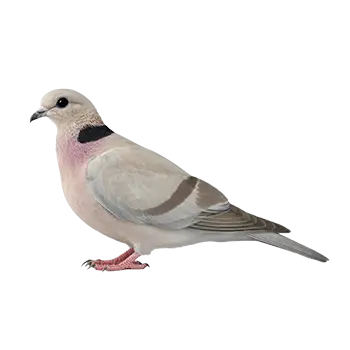
The juvenile phase of a ring-necked dove begins around three weeks of age when the young bird has fledged and is starting to move independently, and it extends through approximately three to four months as the bird matures toward its adult form. During this period, the dove undergoes significant physical transformation. The soft, somewhat muted juvenile plumage gradually gives way to the sleeker, more defined feathering of an adult. The characteristic dark ring or collar on the nape of the neck, which gives the species its name, typically becomes visible during this stage, though it may appear faint at first and darken over subsequent weeks.

Weight gain continues steadily during the juvenile period, though the explosive growth rate of the nestling phase slows considerably. A healthy juvenile ring-necked dove will reach its approximate adult weight of 150 to 200 grams within the first two months. Regular weigh-ins on a gram scale remain a useful tool for tracking health and detecting problems early. Sudden weight loss or failure to gain during this period should prompt a closer look at diet, environment, and overall health.

Flight skills develop rapidly once the young dove fledges. Initial flights are clumsy and short, often ending in awkward landings. Within a week or two of fledging, however, the juvenile will become a confident flier capable of navigating its enclosure with ease. Providing ample space for flight practice is important during this phase. A cage that is too small restricts this natural development and can lead to weak flight muscles and poor coordination that may persist into adulthood.

The beak and feet harden and take on their adult coloration during the juvenile phase. The cere, the fleshy area at the base of the upper beak, becomes more defined. The legs and feet transition from the softer, pinkish tones of a young bird to the firmer, deeper coloring of maturity. These physical changes are gradual and provide useful visual markers of the dove's progression toward adulthood.

Nutrition & Diet Transition

The dietary transition from hand-feeding formula or parental crop milk to independent eating is one of the most important milestones of the juvenile period. Ring-necked doves are granivorous, with seeds forming the core of their diet. Begin offering a high-quality dove or pigeon seed mix in a shallow dish as soon as the young bird shows interest in pecking, typically around three to four weeks of age. The bird may initially play with the seeds before learning to hull and swallow them efficiently.

During the weaning transition, continue supplemental feedings while the juvenile learns to eat independently. Gradually reduce the frequency and volume of hand-feedings as seed consumption increases. Most ring-necked doves are fully weaned and eating independently by five to six weeks of age, though some individuals take a bit longer. Never rush the weaning process by abruptly cutting off supplemental feeding, as this can lead to weight loss and stress.

In addition to a base seed mix, juvenile doves benefit from access to grit, which aids in grinding seeds in the gizzard, and a cuttlebone or mineral block for calcium supplementation. Fresh water must be available at all times in a dish that is shallow enough for the young bird to drink from safely without risk of drowning. Leafy greens such as finely chopped romaine lettuce, dandelion greens, or spinach can be offered in small amounts to add variety and micronutrients to the diet.

Avoid feeding juvenile doves foods that are inappropriate for their species, including bread, processed human foods, avocado, chocolate, caffeine, or anything high in salt or sugar. Seed mixes designed for parrots or other bird species may contain ingredients that are not ideal for doves. Stick with a dove-specific or pigeon-specific seed blend as the dietary foundation, and consult your avian veterinarian if you have questions about appropriate supplements or nutritional support during this growth phase.

Behavioral Changes

Juvenile ring-necked doves become noticeably more curious and active as they grow into adolescence. Once they have mastered flight, they spend increasing amounts of time exploring their environment, investigating objects in their enclosure, and interacting with other birds if housed in a group. This natural curiosity is a healthy sign of development and should be encouraged by providing a stimulating environment with perches at varying heights, safe items to investigate, and opportunities for social interaction.

As the juvenile approaches adolescence, typically around two to three months of age, you may begin to notice the first attempts at cooing. Young males often begin practicing their coo earlier and more persistently than females, though this is not a reliable method of sex determination at this age. The early coo is often halting and imperfect compared to the smooth, rhythmic call of a mature adult. Over subsequent weeks, the bird will refine this vocalization as part of its natural behavioral development.

Some juveniles may go through a brief period of skittishness or increased wariness, even if they were well-socialized as squabs. This is a normal part of avian adolescence and does not indicate a permanent change in temperament. Continue handling the bird regularly with patience and gentleness, and the dove will typically return to its calm, trusting demeanor. Forcing interaction during fearful episodes is counterproductive and can erode the trust you have built.

Juvenile doves housed with other doves will begin to establish their place within the social dynamics of the group. Ring-necked doves are generally peaceful, but minor squabbles over perching spots or food access can occur. Monitor group interactions to ensure no individual is being bullied or excluded from feeding opportunities. Providing multiple feeding stations and perches helps reduce competition and keeps the social environment harmonious.

Taming & Training

The juvenile period is an ideal time to build on the socialization foundation established during the nestling phase. Ring-necked doves are among the most easily tamed of all avian companion species, and consistent, gentle handling during adolescence solidifies a bond that will last throughout the bird's life. Daily handling sessions of 10 to 15 minutes are more effective than occasional lengthy sessions. Allow the dove to perch on your hand or finger, and reward calm behavior with soft verbal praise.

Step-up training, teaching the dove to step onto your hand or finger on cue, is a practical and achievable skill for juvenile ring-necked doves. Place your finger gently against the bird's lower chest and apply light pressure while offering a verbal cue such as step up. Most doves learn this behavior quickly, as it mimics the natural motion of stepping onto a perch. Consistency in your cue word and gentle persistence are the keys to success.

Ring-necked doves are not typically trained to perform complex tricks like some parrot species, but they can learn to come when called, perch on a shoulder, and tolerate being held in various positions for health checks or nail trims. The focus of training should be on building trust and making routine handling a stress-free experience for both the bird and the owner. Positive reinforcement through calm interaction is far more effective than any food reward with this species.

Allow supervised out-of-cage time in a safe, enclosed room during the juvenile phase. This provides exercise, mental stimulation, and strengthens the bond between bird and owner. Ensure windows and mirrors are covered or marked to prevent collision injuries, ceiling fans are turned off, and other pets are excluded from the room. Doves that are accustomed to supervised free-flight time tend to be more confident, physically fit, and behaviorally well-adjusted as adults.

Exercise & Flight Development

Flight is fundamental to a ring-necked dove's physical and psychological wellbeing, and the juvenile period is when flight skills are honed to proficiency. A young dove that has recently fledged will spend considerable time each day practicing takeoffs, landings, and maneuvering in its enclosure. This activity is essential for developing strong pectoral muscles, coordination, and cardiovascular fitness. Housing juvenile doves in a flight cage or aviary that allows sustained flight is far preferable to a small cage that limits movement.

The minimum recommended enclosure for a juvenile ring-necked dove should allow the bird to fly horizontally for at least several wingbeats. Longer flight cages or indoor aviaries are ideal. Perches should be placed at varying heights and distances to encourage the bird to fly between them rather than simply hopping from one to the next. Natural wood perches of varying diameters help strengthen the feet and prevent pressure sores that can develop from uniform dowel perches.

In addition to flight, juvenile doves benefit from environmental enrichment that encourages natural behaviors. Shallow dishes of water for bathing, which most ring-necked doves enjoy, provide both hygiene and entertainment. Foraging opportunities, such as scattering seed on a clean surface rather than offering it only in a dish, engage the bird's natural ground-feeding instincts and provide mental stimulation.

Monitor the juvenile's flight patterns for any signs of difficulty or asymmetry. A bird that consistently lists to one side, has difficulty gaining altitude, or avoids flying altogether may be experiencing an injury, illness, or nutritional deficiency that is affecting its musculoskeletal development. Wing clipping is generally not recommended for ring-necked doves kept as indoor companions, as flight is critical to their physical health and emotional wellbeing. If wing clipping is being considered for safety reasons, discuss the decision thoroughly with your avian veterinarian.

Health Monitoring & Veterinary Care

A veterinary wellness examination is recommended during the juvenile phase, ideally around six to eight weeks of age. This visit allows the avian veterinarian to assess the young dove's overall development, check for parasites, evaluate feather and body condition, and address any concerns you may have about the bird's progress. Establishing a relationship with a vet who has experience with doves during this early stage makes future health care much smoother.

Common health issues in juvenile ring-necked doves include trichomoniasis, a protozoal infection that causes lesions in the mouth and throat, coccidiosis, a parasitic condition affecting the intestinal tract, and respiratory infections. Watch for signs such as fluffed feathers, lethargy, loss of appetite, discharge from the eyes or nostrils, changes in droppings, or labored breathing. Any of these symptoms warrants prompt veterinary attention, as young birds can deteriorate quickly.

Parasite prevention is particularly important during the juvenile phase. Internal parasites such as roundworms and coccidia, as well as external parasites like mites, can compromise a growing bird's health significantly. Your veterinarian may recommend fecal testing to screen for parasites and prescribe treatment if needed. Maintaining clean housing, fresh food, and clean water are the best preventive measures against parasitic and bacterial infections.

Continue weighing your juvenile dove regularly, at least weekly, to track growth and detect early signs of illness. A healthy juvenile should maintain a stable weight or gain gradually as it approaches adult size. Keep your health log updated with weight readings, any behavioral observations, and notes about appetite and droppings. This record provides valuable context for your veterinarian if a health concern does arise.

Socialization & Environment

Ring-necked doves are inherently social birds, and the juvenile period is a formative time for developing the social skills and environmental confidence that will shape the bird's temperament for life. If you plan to keep multiple doves, introducing a juvenile to a companion during this stage is generally smoother than introducing unfamiliar adults later. Juveniles are typically more adaptable and less territorial than mature birds, making the integration process less stressful for everyone involved.

When introducing a juvenile dove to a new companion, use a gradual approach. House the birds in separate but adjacent enclosures where they can see and hear each other for several days before allowing supervised direct contact. Watch for signs of aggression, though ring-necked doves are among the most peaceful of domesticated bird species, serious conflicts are uncommon. Once both birds appear relaxed in each other's presence, they can usually be housed together without incident.

The juvenile dove's living environment should provide a sense of security while also offering stimulation. Position the enclosure in a well-lit area with natural light exposure during the day, but ensure the bird has access to a quieter, dimmer area for rest. Ring-necked doves are diurnal and benefit from a consistent light-dark cycle of approximately 12 hours each. Covering the cage at night can help establish a predictable routine and promote restful sleep.

Expose the juvenile dove to a variety of normal household experiences, including different people, moderate ambient sounds, and the general rhythm of daily life. A dove that grows up in a varied, non-threatening environment develops into a confident, adaptable adult. Avoid prolonged isolation in a back room or closet, as doves kept in sensory-deprived environments may develop anxiety or fearfulness that is difficult to reverse later in life. The goal is a bird that is comfortable, engaged, and secure in its home.

Always consult a qualified professional before making any health-related decisions. This content is provided for informational reference only and should not replace professional guidance specific to your animal.