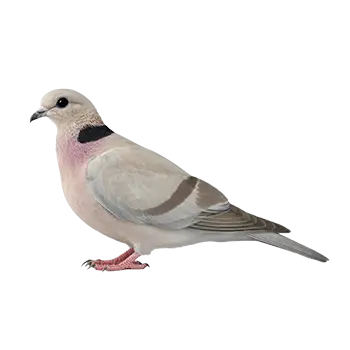

Breeding Readiness

Ring-necked doves can reach sexual maturity as early as five to six months of age, though most breeders recommend waiting until the birds are at least eight to twelve months old before allowing them to breed. Breeding too early can place excessive physical strain on birds that have not yet completed their own growth and development, particularly females whose skeletal and reproductive systems are still maturing. A dove that is allowed to breed before it is fully mature is at higher risk of complications such as egg binding and poor parental behavior.

Before pairing doves for breeding, both the male and female should be in excellent physical condition. This means a healthy body weight, clean and well-maintained plumage, bright and alert eyes, and no signs of illness or parasitic infection. A pre-breeding veterinary examination is strongly recommended to confirm that both birds are healthy and fit for the demands of reproduction. Bloodwork and fecal screening can identify subclinical health issues that might compromise breeding success or the health of the offspring.

Ring-necked doves are not seasonal breeders in the way many wild bird species are. In captivity, with consistent lighting, temperature, and food availability, they can breed year-round. This reproductive willingness is one reason why responsible management of breeding is so important. Without intervention, a healthy pair of ring-necked doves can produce multiple clutches per year, quickly resulting in more birds than a single owner can responsibly house and care for.

Compatibility between a prospective pair should be assessed before committing to breeding. While ring-necked doves are generally tolerant and easygoing, not every male-female pairing will result in a harmonious bond. Introduce potential mates gradually, housing them in adjacent enclosures where they can see and hear each other before placing them together. Signs of mutual interest include cooing directed toward the other bird, relaxed body language, and attempts to get closer to the partition. If either bird shows persistent aggression or avoidance, try a different pairing.

Courtship & Pair Bonding

The courtship display of the male ring-necked dove is a charming and recognizable behavior that signals his readiness to breed. The male will approach the female with a bowing display, puffing out his chest, lowering his head repeatedly, and producing a rhythmic, insistent cooing call. He may fan his tail feathers and strut in front of the female, turning in circles to display from multiple angles. This performance can continue for extended periods and is a key part of the pair bonding process.

If the female is receptive, she will respond by remaining near the male, allowing him to approach closely, and eventually crouching in a posture that signals acceptance. The pair will begin spending increasing amounts of time in close proximity, perching together, preening each other in a behavior known as allopreening, and engaging in mutual cooing. Allopreening is a strong indicator of a bonded pair and typically focuses on the head and neck areas, regions the bird cannot easily reach on its own.

Once a pair bond is established, the doves will begin nest-related behaviors. The male typically takes the lead in selecting a nest site and will begin carrying nesting material to the chosen location, presenting twigs, straw, or other materials to the female with courtship-like displays. The female arranges the material into a rudimentary nest platform. Ring-necked dove nests are characteristically simple and somewhat flimsy, often little more than a loosely assembled platform of sticks and fibers.

Provide the pair with a suitable nest platform or shallow nest bowl in a quiet, elevated area of the enclosure, along with appropriate nesting materials such as small sticks, straw, dried grass, and pine needles. Avoid cotton fibers or string, which can entangle toes and legs. The nest site should be positioned where it is sheltered from direct drafts and excessive disturbance, as stressed doves may abandon the nest before laying or during incubation.

Egg Laying & Incubation

Ring-necked doves typically lay two eggs per clutch, deposited one to two days apart. The eggs are small, white, and smooth-shelled. Egg laying usually occurs in the late afternoon or evening. After the first egg is laid, the parents may or may not begin incubation immediately; full incubation often begins after the second egg is laid, which helps synchronize the hatching of both chicks. If incubation starts with the first egg, the resulting hatch may be staggered by a day or two, giving the first chick a developmental advantage.

Both parents share incubation duties, which is characteristic of doves and pigeons as a family. The male typically incubates during the middle of the day, roughly from late morning to late afternoon, while the female takes the overnight and early morning shift. This cooperative arrangement allows each parent to eat, drink, and rest while the other tends the eggs. The total incubation period for ring-necked dove eggs is approximately 14 days, though it can range from 13 to 15 days depending on consistency of incubation and ambient temperature.

During incubation, minimize disturbance around the nest as much as possible. Avoid rearranging the cage, introducing new objects, or handling the eggs unless there is a specific concern that requires inspection. Routine cleaning and feeding should be performed quietly and quickly. While ring-necked doves are generally tolerant of human presence near the nest, excessive disturbance can cause stress and may lead to egg abandonment, particularly in first-time parents.

If you suspect an egg may be infertile or nonviable, candling can be performed after approximately seven days of incubation. Hold the egg gently against a small, bright light source in a darkened room. A fertile, developing egg will show visible blood vessels and a dark embryonic mass. A clear or uniformly opaque egg is likely infertile. If both eggs appear infertile after candling, you may choose to remove them and allow the pair to recycle and lay a new clutch, or replace them with dummy eggs to allow the natural incubation period to conclude and prevent chronic re-laying.

Hatching & Early Parental Care

As the incubation period nears completion, you may notice the sitting parent becoming more restless and attentive, frequently shifting position and peering down at the eggs. The hatching process begins when the chick internally pips the egg, creating a small crack or star-shaped fracture in the shell using the egg tooth, a small calcified projection on the tip of the upper beak. External pipping, where the crack becomes visible on the outside of the shell, follows, and the chick gradually works its way out over a period of several hours to a full day.

Resist the urge to assist with hatching unless a chick has been visibly pipped for more than 24 hours with no progress, which may indicate a problem. Premature intervention can injure the chick or cause dangerous bleeding if the blood vessels connecting the chick to the shell membranes have not yet been fully absorbed. If you believe a chick is in distress during hatching, consult an avian veterinarian before attempting to assist.

Once hatched, the squab is wet, nearly naked, and helpless. The parents will brood the chick closely, keeping it warm beneath their bodies. Within hours, both parents begin producing crop milk, the nutrient-rich secretion that serves as the sole food source for the first several days of life. Ensure the parents have access to ample food and fresh water during this period, as crop milk production places high nutritional demands on both adults. A well-nourished pair will produce adequate crop milk without supplementation.

The second egg typically hatches within a day of the first if incubation timing was synchronized. With two squabs in the nest, the parents divide their attention and feeding between both chicks. Watch to ensure both squabs appear to be receiving adequate nourishment by checking for rounded, full crops. If one squab consistently appears flat-cropped while the other is well-fed, supplemental hand-feeding of the disadvantaged chick may be necessary to prevent starvation.

Postpartum & Fledgling Management

The period between hatching and fledging, approximately 14 to 21 days, is one of the most demanding on the parent doves. Both adults are actively engaged in feeding, brooding, and protecting the rapidly growing squabs. Nutritional support for the parents is critical during this phase. Increase the availability of high-quality seed, supplement with egg food or a high-protein soft food if available, and ensure calcium sources such as cuttlebone and grit are well-stocked. The physical demands of raising a clutch can deplete the parents' reserves, particularly the female's calcium stores.

As the squabs grow and become feathered, they will begin to venture to the edge of the nest and eventually fledge. Fledging is a gradual process in ring-necked doves, with the young birds making increasingly longer excursions from the nest before becoming fully independent fliers. During this transition, ensure the enclosure is safe from falls by padded surfaces at the cage bottom and removing any hazards that a clumsy fledgling might encounter.

Post-fledging, the young doves will continue to beg for food from the parents for another one to two weeks. The parents gradually reduce feedings as the fledglings learn to eat independently. This weaning process should occur naturally and should not be forced. Separating the fledglings from the parents too early can result in malnourished, poorly socialized young birds. Once the fledglings are eating independently and have been observed consistently self-feeding for at least several days, they can be moved to their own enclosure.

Be aware that a bonded pair of ring-necked doves will often begin a new breeding cycle shortly after the previous clutch has fledged, sometimes even while still feeding fledglings from the current clutch. If you do not wish to breed the pair again immediately, separate the male and female or implement breeding management strategies such as removing nesting material, reducing daylight hours, and replacing real eggs with dummy eggs. Continuous, unmanaged breeding can exhaust both parents and lead to health complications over time.

Responsible Breeding Ethics

Breeding ring-necked doves carries a responsibility that extends beyond the simple mechanics of pairing birds and hatching eggs. Before deciding to breed, consider whether you have the resources, knowledge, and long-term commitment to care for the offspring or to find them suitable homes. Ring-necked doves can live 12 to 15 years or more, and every chick produced represents a multi-year commitment of housing, feeding, veterinary care, and companionship. Producing birds without a plan for their future is irresponsible and contributes to the problem of unwanted animals.

Health screening of breeding stock is an ethical obligation. Only breed doves that are in excellent health, free of known genetic defects, and of appropriate age and physical condition. Avoid breeding birds with a history of chronic illness, reproductive complications, or behavioral problems that could be passed to offspring. The goal should always be to produce healthy, well-tempered birds that will thrive as companions or contribute positively to a breeding program.

Limit the number of clutches a pair is allowed to produce each year. While ring-necked doves are prolific and willing breeders, continuous reproduction takes a significant toll on the parents' health, particularly the female. Most avian veterinarians recommend allowing no more than two to three clutches per year, with rest periods between breeding cycles to allow the birds to recover their physical condition. Employ breeding management techniques such as adjusting photoperiod, removing nest sites between cycles, and using dummy eggs to control reproduction.

If you are unable to keep the offspring and plan to rehome them, vet potential adopters carefully. Ensure they understand the long-term commitment of dove ownership, have appropriate housing, and are prepared for the bird's nutritional and veterinary needs. Avoid selling or giving doves to pet stores or unknown buyers without assurance of proper care. Responsible breeding means taking responsibility for every bird produced, from hatching through placement in a permanent, caring home.

Always consult a qualified professional before making any health-related decisions. This content is provided for informational reference only and should not replace professional guidance specific to your animal.