
Peak Health Maintenance

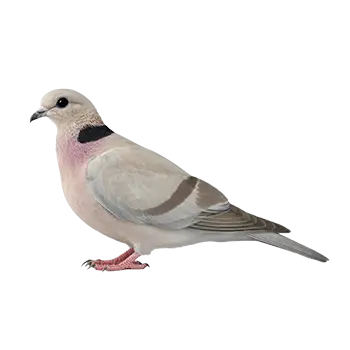
A ring-necked dove reaches full physical maturity at approximately six to eight months of age and enters its prime adult years, a period that can span a decade or more with proper care. During this stage, the dove is at its most robust, with fully developed plumage, a strong musculoskeletal system, and a well-established immune response. The goal of adult care is to maintain this peak condition through consistent husbandry, appropriate nutrition, regular veterinary oversight, and an environment that supports the bird's physical and psychological needs.

Annual wellness examinations with an avian veterinarian are the cornerstone of preventive health care for adult ring-necked doves. These visits typically include a physical examination, assessment of body condition and weight, and may include fecal testing for parasites and bloodwork to evaluate organ function. Establishing a baseline of normal values during the healthy adult years makes it much easier to detect early signs of disease or decline as the bird ages.

Daily observation by the owner is equally important. Because doves instinctively mask signs of illness as a survival strategy, subtle changes in behavior, appetite, vocalization, or droppings are often the earliest indicators that something is wrong. Take a few moments each day to observe your dove's activity level, eating and drinking habits, feather condition, and demeanor. Any persistent change from the bird's normal patterns should be noted and, if it continues beyond 24 to 48 hours, discussed with your veterinarian.

Maintaining a clean living environment is fundamental to health during the adult years. Change cage substrate daily, wash food and water dishes with hot water, and perform a thorough cleaning of the entire enclosure weekly. Stale food, contaminated water, and accumulated droppings create conditions that promote bacterial, fungal, and parasitic infections. A clean environment, combined with good nutrition and regular veterinary care, forms the foundation upon which a long and healthy life is built.

Nutrition at Maturity

The adult ring-necked dove's diet should center on a high-quality dove or pigeon seed mix, which typically includes millet, milo, safflower, and other small grains. This base diet provides the carbohydrates and fats that fuel the bird's daily energy needs. Seed should be offered fresh each day, with uneaten portions discarded to prevent the growth of mold or bacteria. A dove that appears to have a full dish may actually have a dish full of empty hulls, so check by blowing gently across the surface or stirring the contents.

Calcium supplementation is important for adult doves, particularly for females who may produce eggs even without a mate. A cuttlebone or mineral block should be available in the cage at all times. Calcium deficiency can lead to thin-shelled or soft-shelled eggs, egg binding in females, and weakened bones over time. Grit, either offered in a small dish or mixed lightly into the seed, supports the gizzard's grinding function and aids in efficient digestion of whole seeds.

Fresh vegetables and greens can be offered several times a week as a supplement to the seed diet. Finely chopped dark leafy greens such as kale, romaine lettuce, dandelion greens, and carrot tops provide vitamins and minerals that seeds alone may lack. Most ring-necked doves will sample greens if offered consistently, though some individuals are more enthusiastic about produce than others. Small amounts of finely grated carrot or cooked egg can also be offered occasionally for added nutritional variety.

Fresh, clean water is essential and should be changed at least once daily, more often in warm weather or if the dish becomes soiled. Ring-necked doves drink by immersing their beak and sipping rather than tilting their head back like many other bird species, so the water dish should be deep enough to accommodate this behavior. Avoid adding supplements or medications to the water unless specifically directed by your veterinarian, as this can alter the taste and discourage adequate hydration.

Exercise & Enrichment

An adult ring-necked dove requires daily opportunities for flight and physical activity to maintain muscle tone, cardiovascular health, and psychological wellbeing. The ideal housing for an adult dove is a spacious flight cage or indoor aviary that permits sustained horizontal flight. Doves are not climbers like parrots; they navigate their environment primarily by flying and walking, so horizontal space is more valuable than vertical height when choosing an enclosure.

Supervised out-of-cage time in a bird-safe room provides exercise and mental stimulation that even a large cage cannot replicate. During these sessions, the dove can fly freely, explore surfaces, and interact with its owner in a more open setting. Ensure all windows are closed, mirrors and glass doors are marked to prevent collisions, ceiling fans are off, toxic houseplants are removed, and other pets are secured in another area. Many dove owners establish a daily routine of free-flight time, which the bird comes to anticipate and enjoy.

Environmental enrichment for ring-necked doves does not need to be elaborate. A shallow dish of lukewarm water for bathing is one of the simplest and most enjoyed forms of enrichment. Most doves will bathe enthusiastically, fluttering in the water and preening afterward for extended periods. Offer bathing opportunities several times a week. Varied perch materials and diameters, safe foraging opportunities such as seed scattered on a clean surface, and occasional rearrangement of the cage layout provide the mental stimulation that prevents boredom and repetitive behaviors.

Social interaction is itself a form of enrichment for this gregarious species. Ring-necked doves kept singly should receive ample daily attention from their owner to compensate for the lack of avian companionship. Doves kept in pairs or small groups benefit from the constant social stimulation of conspecific interaction. A dove that is isolated, under-stimulated, and confined to a small cage is far more likely to develop stress-related behaviors such as feather picking, excessive preening, or lethargy than one that enjoys a rich and varied daily routine.

Preventive Health Care

Beyond annual veterinary examinations, several preventive health practices help keep adult ring-necked doves in optimal condition throughout their prime years. Parasite management remains important, as doves can be exposed to internal parasites through contaminated food or substrate and to external parasites such as feather mites through contact with wild birds or infested materials. Regular fecal screening, typically performed during the annual wellness visit, catches parasitic infections before they become clinically significant.

Feather and skin health are reliable indicators of overall wellbeing. A healthy adult ring-necked dove has smooth, well-groomed plumage with a subtle sheen. The annual molt, during which old feathers are shed and replaced by new growth, is a normal and expected process that typically occurs once or twice a year. During the molt, the bird may appear slightly disheveled and may be less active than usual. Ensure adequate nutrition during this period, as feather production places significant demands on the body's protein and mineral reserves.

Nail and beak maintenance should be monitored regularly. In most cases, a dove housed with natural wood perches of varying textures will wear its nails down naturally. If nails become overgrown, curling or catching on surfaces, they should be trimmed carefully with small nail clippers designed for birds. The beak rarely requires trimming in healthy doves, but an overgrown or misaligned beak can indicate nutritional deficiency or underlying health issues and should be evaluated by a veterinarian.

Keep a basic avian first aid kit accessible, including styptic powder for minor bleeding, a small towel for safe restraint, a gram scale for weight monitoring, and contact information for your avian veterinarian and the nearest emergency avian clinic. Knowing how to safely handle your dove for basic health checks and being prepared for minor emergencies gives you confidence and can make a critical difference in an urgent situation.

Behavioral Maturity

Adult ring-necked doves are characteristically calm, gentle, and predictable in their behavior, qualities that make them outstanding companion birds. By the time a dove reaches full maturity, its personality is well established. Well-socialized adults are content to perch on a hand or shoulder, tolerate handling for health checks, and respond to their owner's voice and presence with soft cooing and relaxed body language. This steady temperament is one of the breed's most appealing traits.

Mature males are typically more vocal than females, producing the rhythmic, repetitive cooing call that is synonymous with the species. Males may also display courtship behaviors such as bowing, fanning the tail, and strutting, even in the absence of a female. These behaviors are hormonally driven and entirely normal. Females may produce eggs without a mate present, a phenomenon known as laying infertile eggs. If this occurs frequently, consult your veterinarian about strategies to discourage chronic egg laying, which can deplete the female's calcium reserves and lead to health complications.

Aggression is uncommon in ring-necked doves, but it can occur in certain contexts, particularly related to territorial disputes during breeding season or competition for a mate. Two males housed together may develop friction during hormonally active periods. Providing adequate space, multiple perches, and separate feeding stations minimizes the potential for conflict. If persistent aggression develops between cagemates, separation may be necessary to prevent injury and chronic stress.

The bond between an adult ring-necked dove and its owner deepens over the years with consistent, respectful interaction. Doves recognize familiar people and may greet their owner with cooing, wing fluttering, or approaching the cage door. Maintaining a predictable daily routine of feeding, handling, and free-flight time reinforces this bond and contributes to the dove's sense of security. A well-cared-for adult ring-necked dove is a remarkably rewarding companion, offering quiet affection and a calming presence in the home.

Feather Care & Grooming

Ring-necked doves are naturally fastidious groomers, spending a significant portion of their waking hours preening and arranging their feathers. Preening serves several vital functions: it removes dirt and parasites, realigns feather barbs for effective insulation and flight, and distributes oils from the preen gland located at the base of the tail. A dove that preens regularly and maintains smooth, well-organized plumage is typically a healthy and contented bird.

Regular bathing supports the dove's natural grooming efforts and is essential for feather and skin health. Offer a shallow dish of room-temperature or lukewarm water at least two to three times per week. Most ring-necked doves will eagerly wade in and flutter, soaking their feathers thoroughly. After bathing, the dove will spend an extended period preening and drying, which is a normal and beneficial behavior. In drier climates or heated indoor environments, a light misting with a clean spray bottle can supplement bathing and help maintain feather moisture.

During the annual molt, feather care becomes particularly important. The bird will shed old feathers and grow new ones over a period of several weeks. Pin feathers, the new feathers emerging in protective sheaths, may cause mild discomfort, and some doves become slightly more irritable or less interested in handling during a heavy molt. This is temporary and resolves as the new feathers mature. Ensure the diet is rich in protein and minerals during the molt to support healthy feather regrowth.

Watch for signs of abnormal feather condition, including persistent bald patches outside of molting, broken or frayed feathers, feather discoloration, or excessive feather loss. These can indicate external parasites such as feather mites, nutritional deficiencies, hormonal imbalances, or stress-related feather destructive behavior. If you observe any of these signs, an evaluation by an avian veterinarian can identify the underlying cause and guide appropriate treatment. Healthy feathers are not just cosmetic; they are critical to thermoregulation, flight, and overall physical wellbeing.

Always consult a qualified professional before making any health-related decisions. This content is provided for informational reference only and should not replace professional guidance specific to your animal.