
When Does Senior Begin?

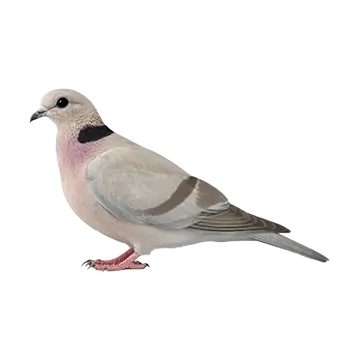
Ring-necked doves are relatively long-lived for their size, with well-cared-for individuals commonly reaching 12 to 15 years in captivity and some exceptional birds living into their late teens or even early twenties. The senior phase is generally considered to begin around age eight to ten, though the onset of aging varies between individuals depending on genetics, lifelong diet, environmental conditions, and overall health history. There is no single day when a dove becomes old; rather, aging is a gradual process marked by subtle changes that accumulate over time.

The first signs of aging in a ring-necked dove are often behavioral rather than physical. A senior dove may become less active, spending more time resting on a preferred perch and less time flying or exploring. The bird may sleep more during the day and show less enthusiasm for activities it once enjoyed. These changes are typically gradual, and owners who see their bird daily may not immediately notice the shift. Periodic review of your health log or simply reflecting on the bird's activity level compared to a year or two earlier can help identify the onset of the senior phase.

Physical signs of aging include a slight dulling of plumage, thinning of feather coverage in some areas, reduced muscle mass particularly in the breast, and a general lightening of body weight. The feet and legs may develop a rougher, more scaled texture, and nails may grow more quickly or become more brittle. None of these changes alone are alarming, but together they paint a picture of a bird that is transitioning from its prime into its later years.

Recognizing the beginning of the senior phase is important because it signals a need to adjust care practices. Senior doves benefit from more frequent veterinary check-ups, dietary modifications, environmental accommodations, and closer daily monitoring. The goal is not to prevent aging, which is a natural process, but to ensure the bird's remaining years are as comfortable, healthy, and enriching as possible.

Mobility & Physical Changes

As ring-necked doves age, their physical capabilities gradually decline. Flight becomes less frequent and may be limited to shorter distances as muscle mass and cardiovascular endurance diminish. Some senior doves eventually stop flying altogether, preferring to walk and hop between accessible perches and feeding stations. This reduction in activity is normal within reason, but a sudden and dramatic loss of mobility can indicate an underlying health issue such as arthritis, injury, or neurological decline and warrants veterinary evaluation.

Arthritis and joint stiffness are common in aging doves, particularly in the feet and legs. You may notice the bird shifting its weight more frequently, favoring one foot, or having difficulty gripping perches. Flat platform perches or wide, padded perches placed at lower heights provide more comfortable resting spots for a dove with arthritic feet. Avoid placing all perches and food sources at heights that require the bird to fly or climb to reach them, as this can discourage eating and lead to falls.

Adjust the cage layout to accommodate reduced mobility. Lower the primary perches so the bird can access them with a short hop rather than a flight. Place food and water dishes on or near the cage floor if the bird is having difficulty reaching elevated feeders. Ensure the cage bottom has a textured, non-slip surface so the bird can walk comfortably without sliding. These simple modifications can make a significant difference in a senior dove's daily comfort and ability to move about its living space independently.

Regular nail trims become more important in senior doves, as reduced activity means less natural wear on the nails. Overgrown nails can catch on cage bars, fabric, or carpet, causing injury or stress. Handle the bird gently during trims, as senior doves may have more fragile skin and a lower tolerance for restraint. If you are not confident in trimming nails yourself, your avian veterinarian or an experienced avian groomer can perform this routine maintenance safely.

Cognitive Changes

Cognitive decline in aging ring-necked doves is less well-documented than in some other companion animals, but observant owners may notice subtle behavioral changes that suggest shifts in mental function. A senior dove may become less responsive to familiar cues, seem confused by changes in its environment, or show decreased interest in social interaction. Some older doves develop altered sleep-wake patterns, becoming restless at night or sleeping more heavily during the day than they did in their younger years.

Disorientation can occasionally be observed in very elderly doves, manifesting as difficulty navigating familiar surroundings, landing inaccurately, or appearing startled by objects or people that were previously familiar. If you notice these signs, simplify the bird's environment by removing unnecessary obstacles, keeping the cage layout consistent, and maintaining a predictable daily routine. Stability and familiarity are comforting to a dove whose cognitive processing may be slowing.

Continued social interaction and gentle mental stimulation can support cognitive health in senior doves. Talk to the bird regularly, maintain handling sessions adapted to its comfort level, and provide sensory variety through bathing opportunities, access to natural light, and exposure to the sounds and rhythms of the household. A dove that remains engaged with its environment and its owner tends to maintain cognitive function longer than one that is isolated and understimulated.

It is important to distinguish between normal age-related cognitive slowing and signs of acute illness. A dove that suddenly becomes disoriented, unresponsive, or dramatically altered in behavior may be experiencing a medical event such as a stroke, infection, or organ failure rather than gradual cognitive decline. Sudden changes should always be treated as potential emergencies and evaluated by a veterinarian as quickly as possible.

Nutrition for Aging

The nutritional needs of a senior ring-necked dove shift as metabolism slows and the body's ability to absorb nutrients may decline. While the base diet of a high-quality dove seed mix remains appropriate, you may need to make adjustments to support the aging bird's changing requirements. Senior doves that are less active need fewer calories to avoid unhealthy weight gain, but they may simultaneously require more concentrated sources of certain vitamins and minerals to compensate for reduced absorption efficiency.

Calcium supplementation becomes even more critical in the senior years, as bone density naturally decreases with age. Ensure a cuttlebone or mineral block is always available, and consider discussing additional calcium supplementation with your veterinarian, particularly if the bird has a history of egg laying. Vitamin D, which plays a central role in calcium metabolism, is best obtained through exposure to natural sunlight or full-spectrum avian lighting. Indoor birds that receive little or no natural light may benefit from a full-spectrum bulb positioned near the cage.

Some senior doves develop difficulty hulling harder seeds as their beak strength or coordination diminishes. If you notice your bird struggling with its usual seed mix, try offering smaller, softer seeds or a finely ground seed blend. Soaked or sprouted seeds are another option, as they are softer and may be easier for an aging bird to process. Monitor food intake carefully to ensure the bird is actually consuming enough to maintain a healthy body weight.

Fresh water remains essential and should be monitored closely in senior doves. Older birds may drink less if they are less active, but adequate hydration is critical for kidney function and overall metabolic health. Position the water dish where the bird can easily access it without straining, and check it frequently for freshness and cleanliness. If you suspect your dove is not drinking enough, mention this to your veterinarian, who may suggest strategies to encourage adequate fluid intake.

Increased Veterinary Care

Senior ring-necked doves benefit from more frequent veterinary examinations, ideally every six months rather than annually. These visits allow the veterinarian to track changes in weight, body condition, organ function, and overall health status over shorter intervals, making it easier to catch developing problems early. Bloodwork, which may have been optional during the healthy adult years, becomes a more valuable diagnostic tool in the senior phase, revealing changes in liver, kidney, and metabolic function before clinical symptoms appear.

Older doves are more susceptible to a range of age-related conditions, including liver disease, kidney dysfunction, tumors, and cardiovascular issues. Tumors, both benign and malignant, become more common with advancing age and may present as visible lumps, changes in body contour, or shifts in behavior and appetite. Not all tumors are treatable, but early detection gives you and your veterinarian the opportunity to discuss options and make informed decisions about the bird's care.

Respiratory health should be monitored with particular attention in senior doves. Aging birds may be more vulnerable to respiratory infections and may take longer to recover. A senior dove with any respiratory symptoms, including labored breathing, tail bobbing, nasal discharge, or changes in vocalization, should be seen by a veterinarian promptly. The elderly avian immune system is less resilient, and infections that a younger bird might shrug off can become serious in a geriatric dove.

Discuss a proactive health management plan with your avian veterinarian that is tailored to your dove's individual needs and health history. This plan may include specific diagnostic tests at each visit, dietary adjustments, environmental recommendations, and a clear understanding of what signs should prompt an urgent visit between scheduled appointments. Being proactive rather than reactive with veterinary care in the senior years can significantly improve the quality and duration of your dove's remaining life.

Quality of Life Assessment

Assessing quality of life in a senior ring-necked dove is an ongoing process that requires honest observation and a willingness to put the bird's comfort first. Quality of life encompasses physical comfort, freedom from chronic pain, the ability to engage in natural behaviors, social interaction, and overall contentment. A senior dove that is eating well, preening, cooing, and showing interest in its surroundings and its owner is generally enjoying a good quality of life, even if its activity level has declined from its younger days.

Create a simple checklist of quality of life indicators that you review regularly. Consider factors such as appetite and eating habits, mobility and the ability to access food and water without difficulty, interest in social interaction, grooming behavior, comfort during rest, and the frequency and nature of any signs of discomfort or distress. Tracking these factors over time helps you identify gradual declines that might be easy to overlook on a day-to-day basis.

There may come a time when a senior dove's quality of life begins to deteriorate despite your best efforts. Chronic conditions may become difficult to manage, pain may become persistent, or the bird may lose interest in eating and social engagement. These moments are painful for any devoted owner, but they are also the moments when your commitment to the bird's wellbeing is most important. Your avian veterinarian can help you evaluate the situation objectively and discuss all available options.

Remember that quality of life is not measured solely by the absence of suffering, but also by the presence of positive experiences. A senior dove that still enjoys a warm bath, a gentle scratch on the head, a sunny spot by the window, or the sound of its owner's voice is a bird that is still finding pleasure in life. Cherish these moments and continue to provide them for as long as your dove can enjoy them. The senior years, though challenging, can also be a deeply meaningful time in the relationship between a dove and its owner.

Always consult a qualified professional before making any health-related decisions. This content is provided for informational reference only and should not replace professional guidance specific to your animal.