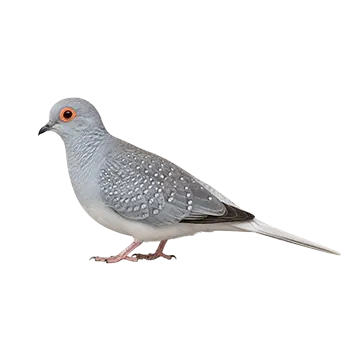

When Does Senior Begin?

Diamond Doves are relatively long-lived for their small size, with well-cared-for individuals commonly reaching 10 to 15 years of age and some exceptional birds living even longer. The transition to the senior stage is gradual rather than sudden, and there is no single age at which all Diamond Doves become geriatric. However, most keepers and avian veterinarians consider a Diamond Dove to be entering its senior years around the age of eight to ten, when subtle but measurable changes in activity level, metabolism, and physical resilience begin to appear.

The first signs of aging are often behavioral rather than physical. A previously active and alert bird may begin spending more time resting, flying less frequently, and showing reduced interest in courtship displays or territorial behaviors. These changes can be so gradual that they are easy to overlook, which is why maintaining a long-term log of your bird's weight, behavior, and health observations is so valuable. Comparing current behavior to notes from a year or two earlier can reveal trends that daily observation alone might miss.

It is important to distinguish between the natural slowing of an aging bird and the onset of illness. While reduced activity is expected in senior Diamond Doves, sudden or dramatic changes in behavior, appetite, or appearance should always be evaluated by a veterinarian. Age-related decline is gentle and progressive, whereas illness tends to produce more abrupt and pronounced symptoms. When in doubt, err on the side of a veterinary visit, as early intervention is always preferable to waiting.

Accepting that your Diamond Dove is aging is an emotional process for many keepers, particularly those who have had the bird since it was young. Adjusting your care approach to accommodate the changing needs of a senior bird is one of the most meaningful things you can do for a companion that has shared many years of your life.

Mobility & Physical Changes

Senior Diamond Doves may experience a gradual decline in mobility and physical agility as they age. Flights become shorter and less confident, and the bird may prefer to hop or walk between perches rather than fly. Some older doves develop stiffness or arthritis in the joints, particularly in the feet and legs, which can make gripping perches uncomfortable. Watch for signs such as shifting weight from foot to foot, reluctance to perch, or spending excessive time sitting on the cage floor.

Adapting the enclosure to accommodate reduced mobility can significantly improve the senior bird's comfort and safety. Lower the perches so the bird does not need to fly or climb as high, and use wider, flat-topped perches or platform perches that are easier for arthritic feet to grip. Ensure that food and water dishes are easily accessible without requiring the bird to navigate difficult terrain. If the bird is spending significant time on the cage floor, make sure the substrate is soft, clean, and provides adequate traction.

Feather quality may decline in senior Diamond Doves, with molts becoming less complete and new feather growth appearing duller or more sparse than in younger years. This is a normal part of aging, but it also means the bird may be less able to thermoregulate effectively. Pay close attention to the ambient temperature in the room and consider providing a gentle supplemental heat source near one end of the enclosure so the bird can move toward or away from warmth as needed.

Weight monitoring becomes increasingly important in the senior years. Both weight loss and weight gain can signal health issues in aging birds. Regular weigh-ins on a gram scale, ideally at the same time each day, provide an objective measure of the bird's condition that supplements your visual observations. Share weight records with your avian veterinarian at each visit so they can track trends over time.

Cognitive Changes

While cognitive decline is less well-documented in small avian species than in mammals, experienced keepers often report behavioral changes in aging Diamond Doves that suggest some degree of cognitive shift. An older bird may become disoriented during night frights more easily, show increased startle responses to stimuli that previously did not bother it, or appear confused about the layout of a familiar enclosure after cage furniture is rearranged.

To support cognitive well-being in senior Diamond Doves, maintain a consistent and predictable environment. Avoid unnecessary changes to the cage layout, feeding schedule, or daily routine. Familiarity and predictability provide a sense of security that becomes increasingly important as the bird ages. If changes are necessary, introduce them gradually and monitor the bird's response for signs of stress or confusion.

Social interaction remains important for cognitive stimulation in senior doves. A bird that has lived with a companion throughout its life should ideally retain that companionship in its senior years, as the loss of a bonded partner can cause significant grief and behavioral disruption. If a companion is lost, the surviving bird may benefit from the gradual introduction of a new cage mate, though this should be approached carefully and with attention to the senior bird's stress levels and tolerance.

Continue to provide gentle enrichment and interaction appropriate to the bird's energy level. Soft conversation, the presence of a calm and familiar caretaker, and the routine activities of daily care all provide meaningful stimulation for an aging dove. The goal is not to challenge the bird with constant novelty but to maintain a warm, stable, and engaging environment that supports its remaining years.

Nutrition for Aging

The nutritional needs of senior Diamond Doves shift subtly as metabolism slows and the demands on the body change. The core seed diet remains appropriate, but older birds may benefit from seeds that are slightly easier to hull and digest. Some keepers find that offering a portion of the daily seed ration as sprouted seeds improves digestibility and provides additional vitamins and enzymes that support an aging digestive system.

Calcium supplementation remains essential, particularly for older females who may still produce occasional eggs despite advanced age. Egg-laying places enormous physiological stress on a senior bird and can deplete calcium reserves rapidly, increasing the risk of egg binding and metabolic bone disease. If your senior female continues to lay, consult your avian veterinarian about strategies to discourage egg production, which may include adjusting light cycles, removing nesting material, and modifying the environment to reduce breeding stimuli.

Hydration is another area that deserves extra attention in senior birds. Older Diamond Doves may drink less efficiently or be less motivated to travel to the water dish if mobility is reduced. Place water sources close to the bird's preferred resting areas and consider offering water in multiple locations within the enclosure. Monitor the bird's droppings for signs of dehydration, such as decreased urate volume or excessively dry fecal matter.

Vitamin and mineral supplementation may be recommended by your avian veterinarian based on the individual bird's health status. Avoid self-prescribing supplements without veterinary guidance, as excessive supplementation can be as harmful as deficiency in some cases. Your veterinarian can recommend appropriate products and dosing schedules based on the bird's specific needs and any underlying health conditions.

Increased Veterinary Care

Senior Diamond Doves benefit from more frequent veterinary monitoring than their younger counterparts. While annual exams are standard for healthy adult birds, biannual visits are advisable for birds in the senior age range. These more frequent check-ups allow your veterinarian to detect early signs of age-related conditions such as liver or kidney changes, tumors, cardiovascular issues, or chronic respiratory problems that are more common in older birds.

Blood work, which may not be routine for young healthy doves, becomes more informative and valuable as a diagnostic tool in senior birds. A baseline blood panel, including complete blood count and basic chemistry panel, can reveal organ function changes, infections, or metabolic imbalances that are not yet producing visible symptoms. Establishing a baseline while the bird is still relatively healthy makes it much easier to detect meaningful changes over time.

Tumors, both benign and malignant, are not uncommon in aging doves and may present as visible lumps under the skin, abdominal distension, or unexplained weight changes. Not all tumors are treatable, but early detection allows for a more informed discussion with your veterinarian about management options, which may include surgery, palliative care, or monitoring depending on the type and location of the growth.

Medication administration can be challenging with a bird as small as a Diamond Dove. If your senior bird requires ongoing medication, work closely with your veterinarian to find the most practical and least stressful delivery method, which may include medicated water, medicated seed, or direct oral administration via a small syringe. Minimize handling stress by being calm, efficient, and gentle during any medical procedures, and reward the bird with a favorite treat afterward to maintain trust.

Quality of Life Assessment

Assessing the quality of life of a senior Diamond Dove requires honest and ongoing evaluation of the bird's daily experience. A bird that is still eating with appetite, interacting with its environment, preening, vocalizing, and showing interest in its surroundings is generally experiencing a good quality of life, even if its activity level is significantly reduced from its prime years. The key indicators are engagement, comfort, and the absence of unmanaged pain or distress.

Develop a simple quality of life checklist that you review regularly, considering factors such as appetite, mobility, social interaction, comfort level, hygiene, and the bird's response to its favorite activities or treats. Score each factor honestly, and track changes over weeks and months. A gradual decline across multiple areas, or a sudden drop in one critical area, signals that a deeper conversation with your veterinarian about the bird's prognosis and care plan may be needed.

Pain recognition in small birds is difficult because they instinctively conceal discomfort. Signs of pain in Diamond Doves may include persistent feather fluffing, half-closed eyes, reluctance to move, reduced vocalization, grinding the beak excessively, or an abnormal posture. If you suspect your senior dove is in pain, consult your avian veterinarian promptly, as there are safe analgesic options available for birds that can significantly improve comfort and quality of life.

The emotional bond between a keeper and a long-lived companion bird makes quality of life decisions deeply personal. Having an ongoing, open relationship with your avian veterinarian, and discussing end-of-life considerations before a crisis arises, allows you to make thoughtful and compassionate decisions that prioritize your bird's welfare above all else. There is no formula that can replace your intimate knowledge of your individual bird, and your observations and instincts are a valuable part of the assessment process.

Always consult a qualified professional before making any health-related decisions. This content is provided for informational reference only and should not replace professional guidance specific to your animal.