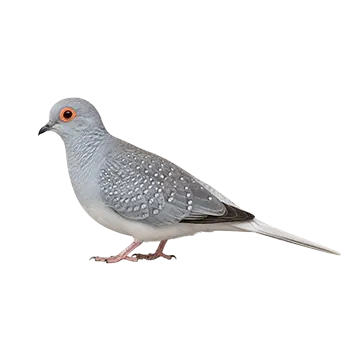

Breeding Readiness

Diamond Doves can become sexually mature as early as four to six months of age, but responsible breeders generally wait until both birds are at least eight to twelve months old before allowing them to breed. Breeding too young can result in poor parenting behavior, undersized eggs, egg binding in small females, and overall reduced reproductive success. Both the male and female should be in excellent health, at a stable adult weight, and showing no signs of illness, nutritional deficiency, or ongoing molt before breeding is permitted.

Before pairing birds for breeding, evaluate their overall condition carefully. The female should have strong bone density supported by adequate calcium intake over a sustained period, as egg production places enormous demands on calcium reserves. The male should be actively displaying courtship behaviors such as bowing, cooing, and nest-calling, which indicate hormonal readiness and a willingness to participate in incubation and chick-rearing duties. Both parents play active roles in Diamond Dove reproduction, so the commitment and health of both birds matter equally.

Genetic considerations are also important if you are breeding selectively for color mutations or specific traits. Avoid pairing closely related birds, as inbreeding can increase the incidence of genetic abnormalities, reduced fertility, and weakened immune function in offspring. If you are working with color mutations, research the genetics involved to understand which pairings will produce desired results and which may carry hidden risks. Maintaining accurate records of lineage and pairing history is essential for any responsible breeding program.

Prepare the breeding environment before introducing the pair. The enclosure should be spacious enough for the pair to coexist comfortably with room for a nest, separate feeding and watering stations, and adequate perching. A quiet location away from heavy household traffic, other pets, and environmental stressors will improve the likelihood of successful breeding. Diamond Doves that feel secure in their environment are far more likely to breed successfully and raise healthy chicks.

Courtship & Pair Bonding

Diamond Dove courtship is a charming and relatively straightforward process compared to many other bird species. The male initiates courtship with a distinctive bowing display, repeatedly lowering his head and upper body toward the female while fanning his tail and producing a rhythmic, repetitive cooing call. This display may be accompanied by short flights or hops around the female and ground-walking with the tail spread wide. A receptive female will remain calm and may crouch slightly or coo softly in response.

Pair bonding in Diamond Doves can occur quite quickly, sometimes within a few days of introduction, though some pairs take longer to establish compatibility. Signs of a bonded pair include sitting in close physical contact, mutual preening, and the male presenting nesting material to the female while performing nest-calling vocalizations. If the birds show persistent aggression toward each other after a reasonable introduction period, they may not be compatible, and a different pairing should be considered rather than forcing an unwilling match.

Once a pair has bonded, they will typically begin investigating potential nest sites within the enclosure. Provide a shallow nest cup, platform, or small basket in a sheltered location, along with nesting material such as dried grass, small twigs, coconut fiber, or commercially available nesting material. Diamond Doves are notoriously minimalist nest builders and may construct only a thin layer of material on a platform, or may attempt to lay eggs on a bare perch or the cage floor if a proper nest site is not provided.

During the courtship and bonding phase, ensure that nutrition is optimized for both birds. Increase protein availability through egg food or a suitable supplement, and confirm that calcium sources are fresh and accessible. The female's body will soon begin mobilizing significant resources for egg production, and establishing a strong nutritional foundation before egg-laying begins helps ensure the health of both the hen and her future clutch.

Egg-Laying & Incubation

Diamond Doves typically lay a clutch of two eggs, with the eggs appearing one to two days apart. The eggs are small, white, and smooth. Egg-laying usually begins several days after successful mating, and the female will spend increasing amounts of time on the nest as laying approaches. Once the first egg is laid, some pairs begin incubation immediately, while others wait until the second egg arrives before settling into a committed incubation routine.

Incubation duties are shared between both parents, which is one of the distinctive features of dove and pigeon reproduction. The male typically incubates during the middle portion of the day, while the female takes over for the evening, night, and early morning hours. This shared arrangement allows each parent to feed, drink, and rest during their off-duty periods. The incubation period for Diamond Dove eggs is approximately 13 to 14 days, though slight variations are normal.

During incubation, minimize disturbance to the nesting pair. Avoid unnecessary cage cleaning near the nest area, reduce noise and activity in the room, and resist the temptation to inspect the eggs frequently. While candling eggs to check fertility is possible, it requires carefully removing the egg from the nest, which risks breakage, chilling, or parental abandonment. If you choose to candle, do so only once, around day seven, using a small bright light in a darkened room, and return the egg to the nest immediately.

Infertile eggs or eggs that fail to develop can occur for many reasons, including immature birds, poor nutrition, environmental stress, or incompatible pairing. If a clutch fails, allow the pair to rest for at least two to three weeks before permitting another breeding attempt. Chronic egg failure should be discussed with your avian veterinarian, who can evaluate both birds for underlying health issues that may be affecting fertility.

Hatching & Early Chick Care

As the incubation period nears completion, the developing chick will begin to pip, creating a small crack or hole in the eggshell using the egg tooth, a small calcified structure on the tip of the upper beak that is shed shortly after hatching. The pipping process can take anywhere from several hours to a full day, and it is critical that you do not intervene or attempt to help the chick emerge unless there is a genuine medical emergency confirmed by an avian veterinarian. The effort of hatching serves important developmental functions and helps the chick absorb the remaining yolk sac.

Newly hatched Diamond Dove chicks are tiny, virtually featherless, and completely dependent on their parents. Both parents immediately begin producing crop milk, a protein and fat-rich secretion from the crop lining that forms the exclusive diet of the chick for the first several days of life. Observe from a distance to confirm that the parents are attending to the chick, which you can verify by looking for a full, rounded crop visible through the chick's translucent skin.

The nest area should be kept clean but not aggressively maintained during the first week after hatching. Spot-clean around the nest as needed, but avoid disturbing the nest itself or handling the chick unless absolutely necessary. The parents are the best caregivers at this stage, and excessive human intervention can cause abandonment. If you must handle the chick for a health check, do so quickly and with clean, warm hands, and return it to the nest immediately.

In the rare event that the parents reject or fail to feed a chick, hand-rearing becomes necessary. This is an intensive and challenging undertaking with a bird this small and requires specialized equipment, formula, and knowledge. Contact an avian veterinarian or experienced dove breeder immediately for guidance, as delays in initiating hand-feeding can be fatal. Detailed hand-rearing protocols are covered in the Newborn and Baby Care section of this series.

Managing Breeding Frequency

Diamond Doves are prolific breeders and, under favorable conditions, will attempt to produce multiple clutches per year with little rest between breeding cycles. While this reproductive enthusiasm is natural, allowing unlimited breeding is detrimental to the health of both parents, particularly the female, and can result in a surplus of birds that overwhelms your capacity to provide quality care or find responsible homes.

A responsible approach is to limit breeding to two or three clutches per year at most, with rest periods of at least four to six weeks between cycles. After a clutch has been raised, remove or block access to the nest site and reduce environmental breeding triggers such as extended daylight hours, nesting material availability, and protein-rich supplements. These adjustments signal to the birds' hormonal systems that conditions are no longer optimal for reproduction, and most pairs will naturally reduce breeding activity in response.

Egg replacement is a common and effective strategy for managing breeding frequency without separating a bonded pair. When the hen lays eggs, replace them with dummy eggs of similar size and weight, which are commercially available. The pair will incubate the dummy eggs for the normal incubation period and then abandon the nest naturally when the eggs fail to hatch. This approach satisfies the birds' hormonal drive to lay and incubate without producing additional chicks.

If you find that your Diamond Doves are breeding excessively despite environmental management, consult your avian veterinarian. Chronic egg-laying in females can lead to calcium depletion, egg binding, and reproductive tract infections. In some cases, hormonal interventions may be recommended to suppress breeding activity and protect the hen's health. Never use any hormonal treatment without veterinary supervision, as improper use can cause serious side effects.

Responsible Breeding Ethics

Breeding Diamond Doves, like breeding any animal, carries ethical responsibilities that extend beyond the immediate gratification of raising chicks. Before initiating any breeding program, honestly assess your ability to provide lifelong care for the offspring or to find responsible, knowledgeable homes for them. The market for Diamond Doves is limited in many areas, and producing birds without a plan for their placement can contribute to the problem of unwanted and neglected pets.

Health testing and lineage tracking are fundamental components of responsible breeding. Breed only from birds that are in robust health, free from known hereditary conditions, and of verified genetic background. If working with color mutations, understand that some combinations can produce birds with compromised health, reduced fertility, or structural weaknesses. Prioritizing health and vitality over rare color production is an ethical obligation that benefits the species and the individual birds you produce.

Consider the broader impact of your breeding decisions on the Diamond Dove community. Producing high-quality, well-socialized birds and sharing your knowledge and experience with other keepers contributes positively to the hobby and to the welfare of the species in captivity. Conversely, mass-producing birds without regard for quality, health, or placement undermines the reputation of responsible breeders and can saturate local markets with poorly bred or improperly socialized birds.

If you decide that breeding is not appropriate for your situation, there is no shame in keeping a same-sex pair or a single bird, or in using egg-replacement strategies to prevent reproduction in a mixed-sex pair. Enjoying Diamond Doves as companions without breeding them is a perfectly valid and responsible choice. The decision to breed should always be deliberate, informed, and guided by a genuine commitment to the welfare of the birds you bring into the world.

Always consult a qualified professional before making any health-related decisions. This content is provided for informational reference only and should not replace professional guidance specific to your animal.