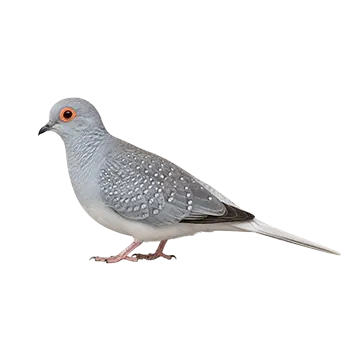

Adult Diamond Doves, typically reaching full maturity around six months of age, enter a long period of relative stability that can last well into their tenth year or beyond with proper care. During these prime years, the focus of husbandry shifts from growth and development to maintaining optimal health through consistent routines, good nutrition, and regular veterinary oversight. A healthy adult Diamond Dove should appear sleek and alert, with bright eyes, smooth plumage, clean nares, and an active demeanor throughout the day.
Establishing a relationship with an avian veterinarian who is experienced with doves and pigeons is one of the most important steps you can take for your bird's long-term health. Annual wellness exams should include a physical assessment, weight check, and fecal analysis to screen for parasites and bacterial infections. Many avian health issues are subtle in their early stages, and birds are instinctively skilled at concealing signs of illness, so routine professional evaluation can catch problems before they become critical.
Daily observation by the keeper is equally important. Spend a few minutes each day watching your Diamond Dove's behavior, appetite, and droppings. Any changes from the established baseline, such as decreased activity, reduced food intake, changes in vocalization, labored breathing, or alterations in dropping consistency, should be noted and investigated promptly. Keeping a simple log of weight and behavioral observations can help you and your veterinarian identify trends that might otherwise go unnoticed.
Environmental hygiene plays a significant role in disease prevention. Clean the cage bottom and replace substrate at least every other day, wash food and water dishes daily, and perform a thorough deep-cleaning of the entire enclosure on a weekly basis using bird-safe disinfectants. Remove any uneaten fresh food within a few hours to prevent bacterial growth, and inspect perches, toys, and cage hardware regularly for wear, damage, or contamination.