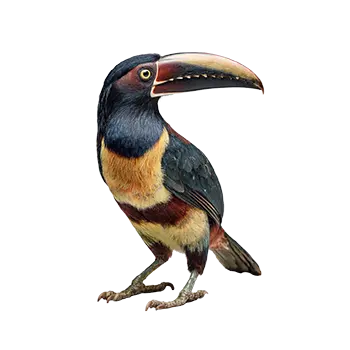

Recognizing that a Collared Aracari is entering the final phase of its life requires an honest assessment that many caregivers find deeply difficult. After years of daily companionship, the instinct to interpret every sign optimistically is powerful and understandable. Yet the bird's welfare depends on the caregiver's willingness to see clearly, even when clarity is painful. The end of life in a Collared Aracari may come gradually through the progression of a chronic condition such as advanced hemochromatosis, or it may arrive abruptly through an acute illness, organ failure, or catastrophic health event.
The signs that a Collared Aracari is approaching the end of its life often overlap with the changes observed during the senior stage but with greater severity and less response to intervention. Persistent weight loss that does not respond to dietary adjustments, progressive weakness evidenced by inability to maintain perch position, marked reduction in food and water intake, and prolonged periods of inactivity with fluffed feathers and closed eyes during daylight hours are collectively serious indicators. Any one of these signs warrants urgent veterinary evaluation. The combination of several occurring simultaneously or worsening over a period of days suggests that the bird's condition may be terminal.
Advanced iron storage disease is the most common cause of terminal decline in captive ramphastids. By the time clinical signs of hemochromatosis become visible, the liver has typically sustained substantial damage. The bird may present with abdominal distension from liver enlargement or fluid accumulation, difficulty breathing due to pressure on the air sacs, generalized weakness, and a dull, unkempt appearance as the bird loses the energy to preen. Blood chemistry at this stage typically shows markedly elevated liver enzymes, high ferritin levels, and often secondary organ involvement.
The veterinarian's clinical assessment at this point is essential for determining whether the bird's condition is treatable with a reasonable expectation of improved quality of life, or whether the trajectory is irreversible. This conversation is one that the caregiver should approach with openness to hearing difficult truths. The veterinarian has the clinical expertise to evaluate the bird's condition objectively, and their assessment should be weighed heavily in the decisions that follow.