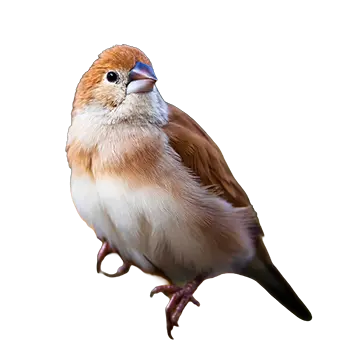

The First 24 Hours

African Silverbill chicks hatch after an incubation period of approximately 11 to 13 days, emerging as tiny, nearly helpless creatures weighing barely two grams. Like all estrildid finches, they are altricial at birth, meaning they arrive blind, featherless, and entirely reliant on their parents for warmth and nourishment. The hatchling's skin is translucent and pinkish, and the chick's only discernible behavior during the first hours is a reflexive gaping response when it senses vibration or warmth near the nest.

In nearly all cases, African Silverbill chicks are parent-raised. Hand-rearing silverbill chicks is extraordinarily difficult due to their minuscule size and the precision required for feeding intervals. The parents, both the hen and the cock, share responsibility for brooding and feeding duties from the moment the first chick emerges. The cock bird often sits on the nest during daytime hours while the hen takes over at night, ensuring the hatchlings receive continuous warmth and regular crop feedings of partially digested seed and insects.

During the first day, the most important thing a keeper can do is minimize disturbance. African Silverbills are generally steady parents, but excessive nest inspections during the first 24 hours can cause abandonment, particularly in first-time pairs. Resist the urge to check the nest more than once, and when you do, keep the inspection brief and gentle. Observe the parents' behavior from a distance instead. Attentive parents will make frequent trips in and out of the nest and will appear calm and purposeful rather than agitated.

Ensure the aviary or cage environment is stable before and during hatching. Room temperature should remain between 70 and 78 degrees Fahrenheit, and drafts must be eliminated. The nest itself, whether a woven basket nest, a half-open box, or a commercially available finch nest, provides a surprisingly effective microclimate when the parents are brooding consistently. Avoid placing the enclosure near windows with direct sunlight, heating vents, or air conditioning outlets, as temperature swings during this period can be fatal for hatchlings that cannot thermoregulate on their own.

Feeding & Nutrition for Chicks

Nutrition during the first weeks of an African Silverbill chick's life is delivered entirely through the parents, who transform their diet into a form the chicks can absorb. While adult silverbills thrive on a primarily seed-based diet, the demands of rearing young require a significant increase in protein and calcium. Providing the breeding pair with the right supplemental foods before and during chick-rearing is the most impactful thing a keeper can do to support healthy development.

Egg food is the cornerstone of chick-rearing nutrition for silverbills. A high-quality commercial egg food, or a homemade mixture of hard-boiled egg crumbled with fine breadcrumbs or crushed plain biscuit, should be offered fresh each morning and replaced if uneaten by midday. Many successful breeders also add finely grated carrot or a pinch of spirulina powder to the egg food mixture for additional vitamins and carotenoids. The parents will consume the egg food and regurgitate it in a softened, predigested form that the chicks can process.

Live or dried insects provide an additional protein source that many silverbill pairs eagerly accept when feeding young. Small mealworms, waxworms, or commercially available dried insect blends can be offered in a shallow dish near the nest. Not all pairs take to live food immediately, so introduce it before the eggs hatch to allow the parents time to acclimate. Buffalo worms and ant pupae are particularly useful options because of their small size and soft body texture, making them easier for the adults to process for very young chicks.

Sprouted seed is another vital component of the chick-rearing diet. Soaking and sprouting the base seed mix activates enzymes and increases the bioavailability of vitamins, particularly B vitamins and vitamin E. Rinse sprouts thoroughly before offering to prevent mold or bacterial contamination. A well-rounded chick-rearing diet combining dry seed mix, egg food, sprouted seed, leafy greens such as dandelion or chickweed, and a cuttlebone or mineral block ensures the parents have everything they need to produce well-nourished offspring.

Monitor the parents' feeding behavior closely during the first week. Active parents will make frequent visits to the food stations and return quickly to the nest. If you notice that the parents are eating but not returning to feed the chicks, or if chicks' begging calls become persistent and frantic, this can indicate a nutritional deficiency in the food supply or a problem with the parents' willingness to feed. In such cases, reassess the diet and consult an experienced finch breeder or avian veterinarian for guidance.

Developmental Milestones

African Silverbill chicks develop rapidly compared to larger parrot species, with the entire nestling period lasting approximately 21 to 25 days. This compressed timeline means that visible changes occur almost daily during the first two weeks, giving attentive keepers a clear progression to observe. Understanding the normal developmental schedule helps distinguish healthy growth from potential problems that require intervention.

During the first three days, the chicks are virtually immobile aside from their gaping reflex. Their eyes remain sealed shut, and their bodies are covered only in sparse natal down that provides minimal insulation. By day four or five, the skin begins to darken slightly in areas where feather tracts are developing beneath the surface. The chicks grow noticeably larger each day during this period, and their begging calls become louder and more coordinated.

Pin feathers begin to erupt around days six through eight, appearing first along the wings and spine. These quill-like shafts are encased in waxy keratin sheaths that protect the growing feather within. By the end of the second week, the chicks are substantially covered in emerging pin feathers, and the characteristic sandy-brown plumage of the species starts to become recognizable. The eyes open gradually between days five and eight, and once they do, the chicks become visibly more responsive to movement and light in their environment.

From day 14 onward, the chicks begin exercising their legs and wings within the confines of the nest. They may shuffle to the nest entrance and peer out, though they typically do not attempt to leave until closer to three weeks of age. The feather sheaths crack and unfurl during this phase, revealing the soft, warm-toned plumage characteristic of juvenile silverbills. Tail feathers are among the last to fully emerge, and the beak begins transitioning from the pale fleshy tone of a hatchling to the silvery blue-grey that gives the species its common name.

By days 21 to 25, the chicks fledge, leaving the nest for the first time. Fledging in silverbills is often abrupt. The chicks may appear content in the nest one evening and be perched on a branch the following morning. Newly fledged chicks are clumsy fliers and will spend much of their time on lower perches or the cage floor during the first day or two. Ensure the enclosure has no open water dishes deep enough for a chick to fall into, and provide low perches to reduce the risk of injury from awkward landings.

Nest Hygiene & Environment

Maintaining a clean and secure nesting environment is critical to the survival of African Silverbill chicks. Unlike larger birds that produce easily managed droppings, finch chicks produce small but frequent fecal matter that accumulates quickly in the confined space of a nest. The parents contribute to sanitation by consuming fecal sacs during the first week or so, but as the chicks grow and their output increases, the nest can become soiled if conditions are not managed.

The nest material provided to the pair matters significantly. Dry grass, coconut fiber, and sisal make excellent primary nesting materials for silverbills. Avoid cotton wool, loose threads, or any material that can wrap around a chick's toes or legs, causing constriction injuries that may lead to the loss of a digit or foot. Some breeders line the bottom of the nest with a small piece of paper towel that can be carefully replaced every few days to reduce waste buildup without disturbing the nest structure.

Nest inspections should be conducted with a clear purpose and minimal disruption. A brief daily check, ideally when the parents leave the nest to feed, is sufficient to assess the chicks' condition and the cleanliness of the nest. Use a small flashlight and gently tilt the nest opening toward you rather than reaching inside. Count the chicks, observe their general color and posture, and look for any sign of dampness or foul odor, which can indicate bacterial growth. If a chick has died in the nest, remove it promptly and carefully to prevent contamination.

The broader cage or aviary environment also plays a role in chick health. Air quality must be excellent. Avoid using aerosol sprays, scented candles, or non-stick cookware in the same room as breeding silverbills, as airborne toxins and fumes can be lethal to all birds, particularly vulnerable chicks. Keep the room well-ventilated without creating drafts. Lighting should follow a natural photoperiod cycle of approximately 12 to 14 hours of light during the breeding and rearing season, as this supports the parents' hormonal drive to feed and brood consistently.

Recognizing Problems Early

Because African Silverbill chicks are so small and develop so quickly, the window for identifying and addressing health problems is narrow. A chick that was vigorous at its morning check can deteriorate significantly by evening if an issue goes unnoticed. Learning to read the subtle signs of trouble is an essential skill for anyone breeding or keeping silverbills.

The single most reliable indicator of chick health is growth rate. Healthy silverbill chicks should show a steady increase in size and feather coverage from day to day. While weighing chicks with a gram-scale is ideal, it is not always practical without disturbing the nest excessively. Visual assessment can substitute in most cases. A chick that appears noticeably smaller than its clutch mates, that has a visibly empty crop while its siblings appear well-fed, or that is pushed to the periphery of the nest is likely not receiving adequate nutrition and may require intervention.

Chilling is one of the most common and most dangerous threats to newborn silverbills. A chick that has been pushed out of the huddle by larger siblings, or that has been left unbrooded due to parental inattention, can become hypothermic within minutes. A chilled chick will feel cool to the touch, appear limp or unresponsive, and may have a bluish or pale skin tone. If discovered in time, a chilled chick can sometimes be revived by warming it slowly in cupped hands or by placing it on a warm, towel-covered heating pad set to its lowest setting. Return the chick to the nest once it is warm and active, and monitor to ensure the parents resume brooding.

Respiratory distress, evidenced by open-mouth breathing, tail bobbing, or audible clicking sounds, warrants immediate veterinary attention. Air sac mites, bacterial respiratory infections, and fungal conditions such as aspergillosis can all affect finch chicks and progress rapidly. Gastrointestinal issues may present as diarrhea, pasting of the vent area, or a distended abdomen. Any of these signs in a chick that was previously thriving should be treated as urgent.

Parent behavior is also a diagnostic tool. If the parents suddenly stop entering the nest, become agitated and restless, or if the hen abandons the nest entirely, investigate the nest promptly. Occasionally an ant invasion, mite infestation, or the death of one chick can cause the parents to reject the nest. Addressing the root cause quickly and returning the surviving chicks to a clean nest may allow the parents to resume care, though fostering under another pair of finches is sometimes necessary as a backup plan.

Always consult a qualified professional before making any health-related decisions. This content is provided for informational reference only and should not replace professional guidance specific to your animal.