
Pair Selection & Conditioning

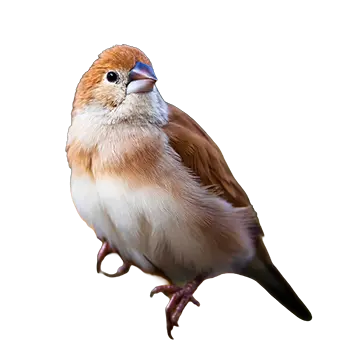
Successful breeding of African Silverbills begins well before the first egg is laid, with careful pair selection and a conditioning period that prepares both birds physiologically for the demands of reproduction. Silverbills are sexually monomorphic, meaning males and females are virtually identical in plumage, which presents an immediate challenge for keepers attempting to assemble breeding pairs.

The most reliable method of sexing African Silverbills is behavioral observation. Cock birds sing, producing a soft, undulating warble while stretching their bodies upward and often holding a piece of grass or nesting material in the beak. Hens do not sing, though they produce contact calls that are indistinguishable from those of males. Observing a group of silverbills over several days, particularly in the morning when singing activity peaks, allows the keeper to identify males with confidence. DNA sexing via a blood or feather sample submitted to a specialized laboratory provides definitive confirmation and is recommended if behavioral sexing is inconclusive.

Once a pair is identified, conditioning should begin four to six weeks before nesting materials are introduced. Gradually increase the photoperiod to 13 to 14 hours of light per day to simulate the lengthening days of the breeding season. Enrich the diet with daily egg food, sprouted seed, and greens to build the nutritional reserves that both the hen and cock will draw upon during nesting and chick-rearing. The hen in particular needs abundant calcium to support eggshell formation, so ensure a cuttlebone or liquid calcium supplement is available.

Age is an important consideration in pair selection. African Silverbills can reach sexual maturity as early as four to five months of age, but breeding birds younger than nine months is generally inadvisable. Immature hens are at higher risk for egg binding and may lack the stamina to incubate consistently and rear chicks to independence. Cock birds under six months may have incomplete song development and lower fertility rates. Pairing experienced breeders with first-time breeders, rather than pairing two novice birds, improves the likelihood of a successful outcome.

Genetic diversity should guide pair selection whenever possible. Avoid pairing siblings or parents with offspring, as inbreeding depression in a small bird like the silverbill can manifest quickly as reduced fertility, smaller clutch sizes, weaker chicks, and increased susceptibility to disease. If your breeding stock originates from a limited number of founding birds, introducing unrelated individuals from other collections is essential for maintaining a genetically healthy line.

Courtship & Pair Bonding

African Silverbill courtship is a gentle and understated affair compared to the elaborate displays of many parrot species, but it is no less important to the breeding process. A pair that has bonded successfully will breed more reliably, share incubation duties more consistently, and rear healthier chicks than a pair that has been arbitrarily forced together without time to develop a social bond.

The cock bird initiates courtship by singing near the hen, often perching beside her and directing his warbling song toward her while swaying his body rhythmically. He may carry a piece of grass or nesting fiber in his beak during the display, which serves as a symbolic offering related to nest-building. A receptive hen responds by remaining close to the singing male, sometimes crouching slightly and fluttering her tail. The pair will begin to allopreeen, each bird grooming the other's head and neck feathers in a mutual bonding behavior that reinforces the pair bond.

If the hen repeatedly moves away from the singing male, shows aggressive postures such as beak-gaping or lunging, or if either bird persistently chases the other, the pair may be incompatible. While forced pairing sometimes eventually results in tolerance and breeding, the outcomes are generally poorer than those from naturally compatible pairs. If possible, allow birds to self-select partners from a small group, as pairs that form naturally tend to be more stable and productive breeders.

Once the pair bond is established, the two birds will become noticeably inseparable. They will perch side by side, roost together at night, and move through the enclosure in tandem. This bonded behavior is the signal that the pair is ready for nesting materials and a nest site. Providing these too early, before the pair bond is solidified, can lead to disorganized nest-building efforts, premature egg laying, and a higher rate of abandoned nests.

Silverbills form relatively strong pair bonds within a breeding season, but they are not obligately monogamous across seasons. A pair that breeds successfully together in one year may remain bonded if kept together, but if separated and later reunited, they may or may not re-pair. Some breeders maintain stable pairs year-round, while others regroup birds each season, allowing natural pair selection from a colony. Both approaches can produce excellent results depending on the management style and goals of the breeding program.

Nesting Setup & Egg Laying

African Silverbills are accommodating nesters that accept a variety of nest types in captivity. Woven wicker basket nests, half-open wooden nest boxes, and commercially available covered finch nests are all suitable options. The ideal nest is enclosed enough to provide security and darkness but has an opening large enough for the birds to enter and exit comfortably. Position the nest in the upper third of the enclosure, as silverbills prefer elevated nesting sites, and secure it firmly to prevent swaying or instability.

Provide a generous supply of nesting material. Dried grass stems, coconut fiber, soft hay, and sisal fiber are all excellent choices. The cock bird typically takes the lead in nest construction, carrying material to the nest site while the hen arranges it inside. A well-constructed silverbill nest has a dome-shaped roof with a side entrance and a soft interior lining. Some pairs will complete the nest in two to three days, while others take a week or more. Do not interfere with the construction process unless the nest is structurally unsound.

Egg laying typically begins three to seven days after the nest is completed. The hen lays one egg per day, usually in the early morning, until the clutch is complete. African Silverbill clutches typically contain four to six eggs, though clutches as small as three or as large as eight have been recorded. The eggs are small, white, and slightly glossy. Both parents share incubation duties, with the cock bird often sitting during the day and the hen taking the longer overnight shift, though this division is not rigid and varies between pairs.

The incubation period for African Silverbill eggs is approximately 11 to 13 days from the onset of steady incubation. Some pairs begin incubating after the first or second egg is laid, which results in staggered hatching and chicks of varying sizes within the clutch. Other pairs wait until the clutch is nearly complete before committing to sustained incubation, producing a more synchronized hatch. Neither approach is inherently better, though staggered hatching can disadvantage the youngest and smallest chick if food competition within the nest is intense.

During incubation, minimize disturbance to the nest. Brief daily checks to confirm that the parents are sitting consistently are acceptable, but prolonged or frequent inspections increase the risk of nest abandonment. If you wish to candle the eggs to assess fertility and embryonic development, wait until at least day five or six of incubation and handle the eggs with clean, warm hands to avoid thermal shock. Infertile or dead-in-shell eggs will appear clear or show a dark, arrested mass without visible blood vessels, and can be removed to allow the parents to focus their energy on viable eggs.

Incubation Management & Hatching

Once incubation is underway, the keeper's primary role shifts to supporting the parents through consistent environmental management and nutritional provision while resisting the urge to intervene unnecessarily. African Silverbills are generally excellent and attentive incubators, and the most common mistake breeders make during this period is disturbing the nest too frequently rather than too little.

Maintain stable environmental conditions throughout incubation. Room temperature should remain between 68 and 78 degrees Fahrenheit, and humidity should be in the range of 50 to 60 percent. Sudden temperature drops or drafts can chill the eggs when the parent is off the nest for brief feeding breaks, potentially causing embryonic death. If the breeding room tends toward dryness, particularly during winter when central heating runs, a small humidifier or a damp towel placed near the cage can help maintain adequate humidity levels.

Nutrition during incubation should continue at breeding-season levels. Egg food, sprouted seed, fresh greens, and a calcium source should all remain available even though the parents' own food intake may decrease slightly while they are spending extended periods on the nest. The parents will need to refuel quickly during their brief breaks from incubation, so positioning food and water stations close to the nest, though not directly on it, reduces the time each bird spends away from the eggs.

As the hatch date approaches, typically around days 10 to 12 of incubation, listen for faint peeping sounds from within the eggs. This audible pipping indicates that the chick is beginning to break through the shell membrane and is using its egg tooth to work through the outer shell. The parents often become more restless and vocal at this stage, adjusting their position on the nest more frequently as they respond to the sounds and movements of the hatching chicks.

Hatching can take anywhere from several hours to a full day from the first visible pip to the chick fully emerging from the shell. Do not assist hatching unless a chick has been visibly pipped for more than 24 hours without progress, and even then, assisted hatching in a bird this small carries significant risk. The shell membranes contain blood vessels that must have time to recede before the chick can safely emerge, and premature intervention can cause fatal hemorrhage. In the vast majority of cases, healthy embryos will complete the hatching process on their own without any human assistance.

Responsible Breeding Practices

African Silverbills are prolific breeders under favorable conditions, and responsible management of breeding frequency is essential to the health of the breeding pair and the welfare of the offspring produced. Without deliberate control, a pair of silverbills in a favorable environment may attempt to breed continuously throughout the year, which places unsustainable physical demands on the hen and can result in declining chick quality over successive clutches.

Limit breeding pairs to two or at most three clutches per year. After a successful round of breeding and chick-rearing, remove the nest and nesting materials and gradually reduce the photoperiod to 10 to 11 hours of light per day. This simulates the non-breeding season and helps suppress the hormonal drive to renest. Allow the pair a rest period of at least two to three months between breeding cycles so that the hen can replenish her calcium reserves and both birds can recover physical condition through their annual molt.

Egg binding is one of the most serious reproductive emergencies in small finches and is more likely in hens that are bred too frequently, that are calcium-deficient, or that are too young or too old for breeding. A hen that is straining on the cage floor, appears fluffed and lethargic, or has a visibly distended abdomen near the vent may be egg-bound. This condition is life-threatening and requires immediate veterinary intervention. Providing warmth, humidity, and a drop of mineral oil near the vent may offer temporary relief while transport to the veterinarian is arranged, but these measures are not a substitute for professional treatment.

Before breeding, have a clear plan for the offspring. African Silverbills are readily bred in captivity, and without forethought, a breeder can quickly accumulate more birds than can be properly housed. Identify potential homes, whether with other hobbyists, avian societies, or specialty pet shops, before initiating a breeding season. Breeding purely for the sake of producing chicks without a plan for their placement is irresponsible and contributes to overcrowding and welfare problems.

Maintain accurate breeding records for every pair and clutch. Document the date of pairing, nest completion, egg laying dates and clutch size, incubation start date, hatch dates and number of chicks hatched, fledging success, and any complications encountered. These records are invaluable for identifying productive pairs, tracking genetic lineage, and recognizing patterns that may indicate emerging health or management issues. Detailed records also support the broader avicultural community's efforts to maintain healthy, genetically diverse captive populations of the species.

Always consult a qualified professional before making any health-related decisions. This content is provided for informational reference only and should not replace professional guidance specific to your animal.