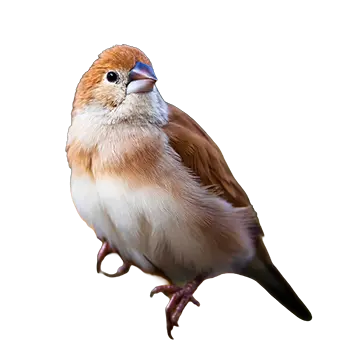

The distinction between a senior African Silverbill experiencing normal age-related slowing and one entering terminal decline is not always immediately apparent, but there are patterns that, taken together, indicate a bird whose condition is unlikely to improve. Recognizing these signs allows the keeper to shift from curative efforts to comfort-focused care, ensuring the bird's remaining time is as free from suffering as possible.
The most telling indicator of terminal decline is sustained, progressive weight loss that does not respond to dietary intervention. A bird that is eating but continuing to lose weight, particularly if the keel bone becomes sharply prominent and muscle mass visibly wastes from the breast, is likely experiencing organ failure, advanced metabolic disease, or an internal tumor that is consuming resources faster than the bird can replenish them. Weighing the bird on a gram-scale every two to three days and recording the results objectively documents this trajectory.
Behavioral withdrawal is another hallmark of approaching end of life. A dying silverbill will gradually disengage from flock activities, spending increasing time on the cage floor or on a low perch with its feathers fluffed and its head tucked. It may stop preening, resulting in a visibly unkempt appearance. Vocalization typically ceases or becomes rare and subdued. The bird's response to external stimuli, including the keeper's approach, may become delayed or absent, reflecting a general depression of neurological function.
Changes in droppings often accompany terminal decline. Droppings may become watery, unusually dark, tarry in consistency, or may contain undigested food particles, indicating that the digestive system is no longer processing nutrients effectively. Very small, infrequent droppings suggest that the bird has largely stopped eating. In some cases, the droppings may take on an olive or lime-green color with no fecal component at all, which indicates that the bird is producing only bile and urates, a sign that food intake has ceased entirely.
Respiratory distress in a declining bird may manifest as persistent tail bobbing, open-mouth breathing, or audible respiratory sounds even at rest. These symptoms can indicate fluid accumulation in the air sacs or lungs, advanced respiratory infection, or cardiac compromise. While some of these conditions are treatable in younger, stronger birds, in an elderly bird with concurrent systemic decline, aggressive treatment often causes more distress than benefit.