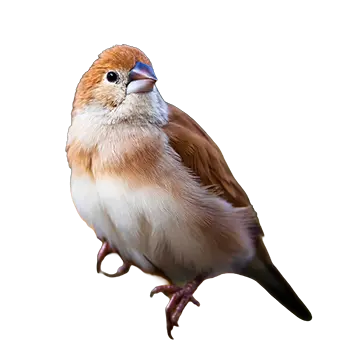
African Silverbills are generally hardy, robust little finches when provided with proper care, regularly achieving lifespans of 5-8 years in captivity with some individuals living slightly longer under optimal conditions. Their small size and delicate physiology make them vulnerable to certain health conditions, though overall they are less prone to serious health problems than many other finch species. Vigilant observation for subtle signs of illness and prompt veterinary intervention when concerns arise are essential for maintaining their health.
Air sac mites, microscopic parasites that infest the respiratory system, can affect finches including African Silverbills, causing respiratory distress including open-mouth breathing, tail bobbing with each breath, loss of voice or changes in vocalizations, and progressive weakness if untreated. Scaly face and leg mites, caused by Knemidokoptes mites, create crusty, scaly growths on the beak, legs, and around the eyes and cere, causing discomfort and disfigurement if not treated with appropriate antiparasitic medications. Enteritis and bacterial infections of the digestive tract occur in finches kept in unsanitary conditions, causing diarrhea, ruffled feathers, lethargy, and weight loss requiring veterinary diagnosis and antibiotic treatment based on culture results. Egg binding, where a female cannot pass an egg, can affect breeding female African Silverbills particularly those with calcium deficiency or improper nesting conditions, representing a life-threatening emergency requiring immediate veterinary intervention. Overgrown nails and beaks develop in captive finches without access to appropriate abrasive surfaces, requiring careful trimming by experienced hands to prevent injury to these delicate birds. Obesity can occur in African Silverbills provided with excessive fatty seeds like niger or canary seed without adequate flight space for exercise. Injuries from flying into cage walls or being grabbed by predators including household cats can cause broken wings, legs, or trauma requiring immediate veterinary care and protected recovery environment.
Preventive care forms the essential foundation for maintaining health in African Silverbills throughout their lives. Regular observation and daily monitoring for subtle signs of illness including fluffed feathers, reduced activity, changes in droppings, loss of appetite, or respiratory symptoms allows early intervention before conditions become serious. Proper diet and nutrition including quality finch seed mixes, fresh greens, calcium supplementation through cuttlebone or crushed egg shells, and occasional protein sources supports immune function and prevents nutritional deficiencies. Cage cleanliness with daily removal of waste, soiled substrate, and spoiled food prevents bacterial and parasitic infections, with thorough weekly cleaning and disinfection of all surfaces, perches, and dishes maintaining hygienic conditions. Environmental enrichment through adequate flight space, varied perches of different diameters, foraging opportunities, and appropriate cage placement away from drafts and temperature extremes supports physical and psychological wellbeing. Quarantine protocols for new birds prevent introduction of diseases to established collections, with minimum 30-day isolation and observation before introducing new individuals. Annual wellness exams with an avian veterinarian experienced with finches, while uncommon for such inexpensive birds, can detect subclinical problems and provide guidance on optimal care practices.
The most critical aspect of African Silverbill health care is early recognition of illness, as these small birds have minimal physiological reserves and can deteriorate rapidly when sick. Any bird showing fluffed feathers, reduced activity, sitting on the cage floor, labored breathing, or other illness signs requires immediate veterinary attention. Delayed treatment often results in death due to their tiny size and limited ability to fight off infections or other conditions.
With consistent appropriate care including proper housing, balanced diet, clean environment, and prompt attention to health concerns, African Silverbills typically enjoy good health throughout their 5-8 year lifespan. Their hardiness and adaptability, inherited from wild ancestors surviving harsh African environments, contribute to their success as captive birds when basic needs are met.
African Silverbills are generally hardy, robust little finches when provided with proper care, regularly achieving lifespans of 5-8 years in captivity with some individuals living slightly longer under optimal conditions. Their small size and delicate physiology make them vulnerable to certain health conditions, though overall they are less prone to serious health problems than many other finch species. Vigilant observation for subtle signs of illness and prompt veterinary intervention when concerns arise are essential for maintaining their health.
Air sac mites, microscopic parasites that infest the respiratory system, can affect finches including African Silverbills, causing respiratory distress including open-mouth breathing, tail bobbing with each breath, loss of voice or changes in vocalizations, and progressive weakness if untreated. Scaly face and leg mites, caused by Knemidokoptes mites, create crusty, scaly growths on the beak, legs, and around the eyes and cere, causing discomfort and disfigurement if not treated with appropriate antiparasitic medications. Enteritis and bacterial infections of the digestive tract occur in finches kept in unsanitary conditions, causing diarrhea, ruffled feathers, lethargy, and weight loss requiring veterinary diagnosis and antibiotic treatment based on culture results. Egg binding, where a female cannot pass an egg, can affect breeding female African Silverbills particularly those with calcium deficiency or improper nesting conditions, representing a life-threatening emergency requiring immediate veterinary intervention. Overgrown nails and beaks develop in captive finches without access to appropriate abrasive surfaces, requiring careful trimming by experienced hands to prevent injury to these delicate birds. Obesity can occur in African Silverbills provided with excessive fatty seeds like niger or canary seed without adequate flight space for exercise. Injuries from flying into cage walls or being grabbed by predators including household cats can cause broken wings, legs, or trauma requiring immediate veterinary care and protected recovery environment.
Preventive care forms the essential foundation for maintaining health in African Silverbills throughout their lives. Regular observation and daily monitoring for subtle signs of illness including fluffed feathers, reduced activity, changes in droppings, loss of appetite, or respiratory symptoms allows early intervention before conditions become serious. Proper diet and nutrition including quality finch seed mixes, fresh greens, calcium supplementation through cuttlebone or crushed egg shells, and occasional protein sources supports immune function and prevents nutritional deficiencies. Cage cleanliness with daily removal of waste, soiled substrate, and spoiled food prevents bacterial and parasitic infections, with thorough weekly cleaning and disinfection of all surfaces, perches, and dishes maintaining hygienic conditions. Environmental enrichment through adequate flight space, varied perches of different diameters, foraging opportunities, and appropriate cage placement away from drafts and temperature extremes supports physical and psychological wellbeing. Quarantine protocols for new birds prevent introduction of diseases to established collections, with minimum 30-day isolation and observation before introducing new individuals. Annual wellness exams with an avian veterinarian experienced with finches, while uncommon for such inexpensive birds, can detect subclinical problems and provide guidance on optimal care practices.
The most critical aspect of African Silverbill health care is early recognition of illness, as these small birds have minimal physiological reserves and can deteriorate rapidly when sick. Any bird showing fluffed feathers, reduced activity, sitting on the cage floor, labored breathing, or other illness signs requires immediate veterinary attention. Delayed treatment often results in death due to their tiny size and limited ability to fight off infections or other conditions.
With consistent appropriate care including proper housing, balanced diet, clean environment, and prompt attention to health concerns, African Silverbills typically enjoy good health throughout their 5-8 year lifespan. Their hardiness and adaptability, inherited from wild ancestors surviving harsh African environments, contribute to their success as captive birds when basic needs are met.
Common Health Issues
- Air sac mites, microscopic parasites that infest the respiratory system - Can affect finches including African Silverbills, causing respiratory distress including open-mouth breathing, tail bobbing with each breath, loss of voice or changes in vocalizations, and progressive weakness if untreated.
- Scaly face and leg mites - Caused by Knemidokoptes mites, create crusty, scaly growths on the beak, legs, and around the eyes and cere, causing discomfort and disfigurement if not treated with appropriate antiparasitic medications.
- Egg binding, where a female cannot pass an egg - Can affect breeding female African Silverbills particularly those with calcium deficiency or improper nesting conditions, representing a life-threatening emergency requiring immediate veterinary intervention.
- Regular observation and daily monitoring for subtle signs of illness including fluffed feathers - Reduced activity, changes in droppings, loss of appetite, or respiratory symptoms allows early intervention before conditions become serious.
Preventive Care & Health Monitoring
- Egg binding, where a female cannot pass an egg - Can affect breeding female African Silverbills particularly those with calcium deficiency or improper nesting conditions, representing a life-threatening emergency requiring immediate veterinary intervention.
- Proper diet and nutrition including quality finch seed mixes - Fresh greens, calcium supplementation through cuttlebone or crushed egg shells, and occasional protein sources supports immune function and prevents nutritional deficiencies.
- Cage cleanliness with daily removal of waste - Soiled substrate, and spoiled food prevents bacterial and parasitic infections, with thorough weekly cleaning and disinfection of all surfaces, perches, and dishes maintaining hygienic conditions.
- Environmental enrichment through adequate flight space - Varied perches of different diameters, foraging opportunities, and appropriate cage placement away from drafts and temperature extremes supports physical and psychological wellbeing.
- Annual wellness exams with an avian veterinarian experienced with finches - While uncommon for such inexpensive birds, can detect subclinical problems and provide guidance on optimal care practices.