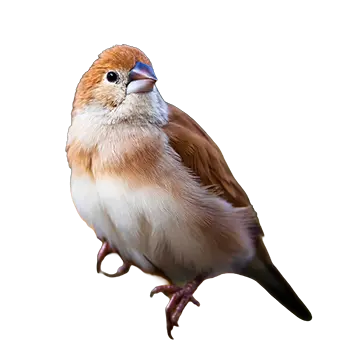

Daily Care & Husbandry

An adult African Silverbill in its prime is a low-maintenance bird by avian standards, but low-maintenance does not mean no-maintenance. Consistent daily husbandry forms the backbone of long-term health for these small finches, and establishing a reliable routine benefits both the bird and the keeper. Because silverbills are quiet, undemanding birds that rarely draw attention to themselves when something is wrong, the daily care routine doubles as a health surveillance opportunity.

Fresh food and water must be provided every morning without exception. Silverbills drink frequently relative to their body size, and even a few hours without access to clean water in a warm environment can lead to dehydration. Tube-style or ball-bearing water dispensers reduce contamination compared to open dishes, but they still require daily rinsing and refilling. Seed dishes should be checked and replenished, with hulls blown off the surface of the mix to ensure the bird is not sitting in front of a dish full of empty shells while believing food is available.

Cage or aviary cleaning follows a tiered schedule. The floor covering, whether paper, sand sheets, or a removable tray liner, should be changed daily or every other day. Perches accumulate droppings and should be scraped or wiped down several times per week. A thorough cage disinfection using an avian-safe cleaner should occur weekly, with all furnishings removed, washed, and dried before replacement. In an aviary setting, substrate management is more complex, but spot-cleaning high-traffic areas beneath favored perches prevents the buildup of pathogens.

Bathing is an important component of daily care that many keepers overlook. African Silverbills enjoy bathing and should be offered a shallow dish of lukewarm water several times per week, if not daily. Bathing helps maintain feather condition, supports natural preening behavior, and provides environmental enrichment. Place the bath dish in the morning and remove it after an hour or so to prevent it from becoming soiled. Some birds prefer a fine mist spray from a plant mister, which mimics the light rains of their native semi-arid African habitats.

Nutrition for the Adult Bird

The adult African Silverbill's diet centers on a high-quality finch seed mix composed primarily of various millet varieties, canary grass seed, and small amounts of niger and Japanese millet. Unlike many commonly kept finches, silverbills originate from the drier regions of sub-Saharan Africa and the Arabian Peninsula, where their wild diet consists heavily of grass seeds foraged from the ground and from standing seed heads. Replicating this nutritional profile in captivity is straightforward but requires attention to variety and freshness.

Seed alone, however, does not constitute a complete diet. Fresh vegetables and greens should be offered several times per week to provide vitamins, minerals, and dietary fiber that seeds lack. Dandelion leaves, chickweed, endive, broccoli florets, and grated carrot are all accepted by most silverbills. Introduce new foods gradually and be patient, as finches can be conservative about unfamiliar items. Clipping greens to the cage bars at perch level, where the birds naturally feed, often increases acceptance compared to placing them in a floor dish.

Egg food remains a valuable dietary supplement outside of the breeding season, offered once or twice per week to maintain protein and amino acid intake. Cuttlebone or a mineral block should be available at all times, providing calcium that supports bone integrity, feather structure, and, in hens, the ongoing capacity for eggshell production even outside of active breeding. Grit is a contested topic among aviculturists, but most finch specialists recommend offering a small dish of mineralized grit, as silverbills are hull-cracking species that swallow seed without the hull and may benefit from the mineral content rather than the grinding function.

Avoid feeding avocado, chocolate, caffeine, onion, garlic, and any foods high in salt, fat, or sugar. Fruit can be offered sparingly, but silverbills show less interest in fruit than many other finch species, consistent with their arid-zone origins. Sprouted seed remains an excellent periodic supplement that boosts vitamin content and provides textural variety. Ensuring that the diet is varied, fresh, and species-appropriate is the single most effective preventive health measure available to any keeper.

Obesity is an underrecognized problem in captive finches, including silverbills. Birds housed in small cages with unlimited access to high-fat seed components such as niger or hemp can gradually accumulate visceral fat that impairs organ function and shortens lifespan. Providing adequate flight space, limiting high-fat seed components to no more than five percent of the total mix, and encouraging foraging behavior by scattering seed on the cage floor or in foraging toys all help maintain a healthy body condition.

Housing & Environmental Enrichment

The ideal housing for an adult African Silverbill prioritizes horizontal flight space over vertical height. Silverbills are active, agile fliers that benefit enormously from the ability to fly back and forth across their enclosure. A flight cage measuring at least 30 inches in length is a practical minimum for a pair, though longer enclosures or a dedicated indoor aviary are strongly preferred. Silverbills can also be kept in outdoor aviaries in warm climates, provided they are protected from drafts, predators, and temperature extremes below approximately 60 degrees Fahrenheit.

Perch placement and variety matter more than quantity. Natural wood branches of varying diameters, such as apple, willow, or eucalyptus, provide the irregular surfaces that keep feet healthy and exercised. Dowel perches of uniform diameter should be avoided as the sole perching option, as they place repetitive pressure on the same points of the foot and can contribute to pododermatitis over time. Place perches at different heights and orientations, leaving clear flight paths between them so the birds can move freely.

Environmental enrichment for silverbills does not require the complex toys and puzzle feeders associated with parrot keeping, but it should not be neglected. Silverbills are naturally curious foragers that enjoy searching for food among substrate, dried grasses, or scattered millet sprays. Providing small bundles of dried grass or seeding grass heads stimulates natural foraging behavior and occupies the birds for extended periods. Swings and flexible perches add movement-based enrichment that many silverbills enjoy.

Lighting is an often-underestimated environmental factor. African Silverbills, like all birds, require exposure to full-spectrum lighting that includes UVB wavelengths to synthesize vitamin D3 and properly metabolize calcium. Natural sunlight through an open window is ideal, but direct sun through glass filters out most UVB. If natural unfiltered sunlight is not available for several hours daily, a bird-specific full-spectrum fluorescent or LED fixture positioned above the enclosure on a timer provides a reliable substitute. Maintain a photoperiod of 10 to 12 hours of light during the non-breeding season, extending to 12 to 14 hours if breeding is desired.

Noise and disturbance levels in the room should be considered. Silverbills are calm birds that tolerate normal household activity well, but they do best in a room that is not subjected to sudden loud noises, heavy foot traffic, or the presence of predatory pets such as cats. A quiet living room, study, or dedicated bird room where the birds can observe activity without being startled provides the best balance of social exposure and security.

The Annual Molt

Adult African Silverbills undergo a complete molt once per year, typically triggered by changes in photoperiod as day length shortens in late summer or early autumn. The annual molt replaces all body, wing, and tail feathers over a period of approximately six to ten weeks. While the molt is a natural and necessary process, it places significant physiological demands on the bird and requires attentive management from the keeper.

During the molt, the bird's metabolic rate increases substantially to support the production of new feathers, which are composed primarily of keratin protein. This increased demand means the diet must be adjusted to provide additional protein and sulfur-containing amino acids. Egg food should be offered daily rather than weekly, and many breeders add a small amount of conditioning seed mix that includes higher-protein seeds such as hemp, perilla, and linseed. A vitamin and mineral supplement added to the drinking water or soft food can also help bridge any nutritional gaps.

Molting birds may appear less active and more subdued than usual. Some individuals become slightly irritable, particularly when new pin feathers are emerging on sensitive areas like the head and neck. This is normal behavior and does not indicate illness. However, a bird that stops eating, becomes severely lethargic, or develops bald patches that do not fill in with new pin feathers within a reasonable timeframe should be evaluated by a veterinarian. Abnormal molt patterns can indicate underlying health problems including liver disease, nutritional deficiency, or chronic stress.

Environmental stability is particularly important during the molt. Avoid rearranging the cage, introducing new birds, or making significant changes to the bird's routine while it is actively molting. Temperature fluctuations can disrupt feather growth and lead to stress bars or malformed feathers. Keep the room at a consistent temperature between 68 and 78 degrees Fahrenheit and maintain normal humidity levels. A bath dish should remain available throughout the molt, as bathing helps soften feather sheaths and supports the preening that allows new feathers to unfurl properly.

Once the molt is complete, the bird should emerge with a fresh, glossy coat of tight, well-structured feathers. This is an excellent time to assess overall body condition. A post-molt bird in good health will have smooth, evenly colored plumage with no gaps, a clean and well-shaped beak, and bright, alert eyes. Any irregularities in feather color, texture, or coverage that persist after the molt concludes may warrant further investigation.

Routine Health Maintenance

Preventive health care for an adult African Silverbill is built on observation, environmental hygiene, and periodic veterinary assessment. Because silverbills are small, stoic birds that instinctively mask signs of illness to avoid appearing vulnerable to predators, the keeper must be proactive about health monitoring rather than waiting for obvious symptoms to appear.

Daily observation during the morning feeding and cleaning routine is the first line of defense. Note each bird's posture, activity level, appetite, and droppings. Healthy adult silverbill droppings consist of a small, firm dark fecal portion, a white urate component, and a small amount of clear liquid urine. Changes in any of these components, such as watery or discolored feces, green or yellow urates, or a significant increase in urine volume, can signal problems ranging from dietary changes to infection or organ dysfunction.

An annual or biannual veterinary checkup with an avian-experienced practitioner is advisable even for apparently healthy birds. The veterinarian can perform a physical examination, assess body condition, and run baseline diagnostics such as a fecal float for parasites and a crop or choanal swab for bacterial or fungal overgrowth. Establishing a baseline health profile for each bird makes it much easier to identify deviations later.

Nail and beak maintenance is usually self-regulating in a well-furnished cage. Natural wood perches of varying textures keep nails worn to an appropriate length, and a cuttlebone or mineral block helps maintain beak condition. However, some individuals, particularly those housed in smooth-surfaced cages, may develop overgrown nails that require trimming. This is best done by an experienced handler or veterinarian, as the tiny size of a silverbill's foot and the proximity of the blood supply within the nail make trimming a delicate procedure.

Parasite prevention is an ongoing concern, especially in aviary settings where multiple birds share space and where wild birds may come into indirect contact through shared airspace. Air sac mites, scaly face mites, and intestinal coccidia are the most common parasitic threats. Maintaining excellent hygiene, quarantining new arrivals for a minimum of 30 days, and treating promptly at the first sign of parasitic infection are the most effective strategies. Prophylactic deworming is practiced by some aviculturists, but routine preventive treatment should be guided by veterinary advice rather than applied indiscriminately, as unnecessary medication can stress the bird and contribute to resistance.

Always consult a qualified professional before making any health-related decisions. This content is provided for informational reference only and should not replace professional guidance specific to your animal.