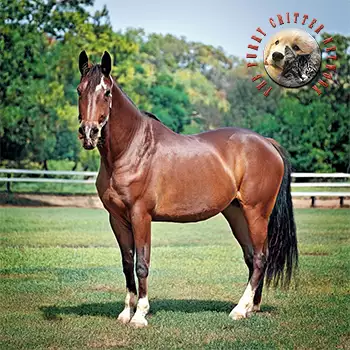

Saddle fit is arguably the single most consequential equipment decision a Warmblood owner will make. An ill-fitting saddle creates pressure points that cause pain, restrict movement, and lead to training resistance, behavioral changes, and long-term back damage. Because Warmbloods have broad, muscular backs that vary significantly between individual horses and change shape throughout the year with conditioning and weight fluctuation, saddle fitting should be treated as an ongoing process rather than a one-time purchase decision.
The tree width is the starting point for any saddle fit assessment. Most Warmbloods require a medium-wide to wide tree, though horses with prominent withers may need a cutback or high-wither profile even within a wider tree. The saddle should sit level on the horse's back with even contact along the panels, clearing the spine by a minimum of three fingers' width at the pommel and maintaining clearance along the entire gullet channel. When the rider is mounted, the saddle should not shift forward, rock, or bridge — any of these patterns indicates a fundamental fit issue.
Dressage saddles for Warmbloods typically feature a deep seat, long, straight flaps, and close contact panels that allow the rider's leg to lie in a long, draping position against the horse's barrel. Jumping saddles use a more forward flap with knee and thigh blocks to support the rider over fences, and tend to have flatter seats for greater freedom of movement. All-purpose saddles offer a compromise but rarely excel at either discipline for upper-level work.
Professional saddle fitting is a worthwhile investment for any Warmblood in regular work. A qualified fitter uses templates, pressure mapping, and dynamic assessment under saddle to evaluate how the saddle interacts with the horse's back during movement — not just at a standstill. Many saddle companies now offer adjustable gullet and panel systems that allow for periodic refitting as the horse's back shape changes, extending the useful life of the saddle and reducing the frequency of full replacement.